
Immediate problem: why crude oil CFD pricing trips traders
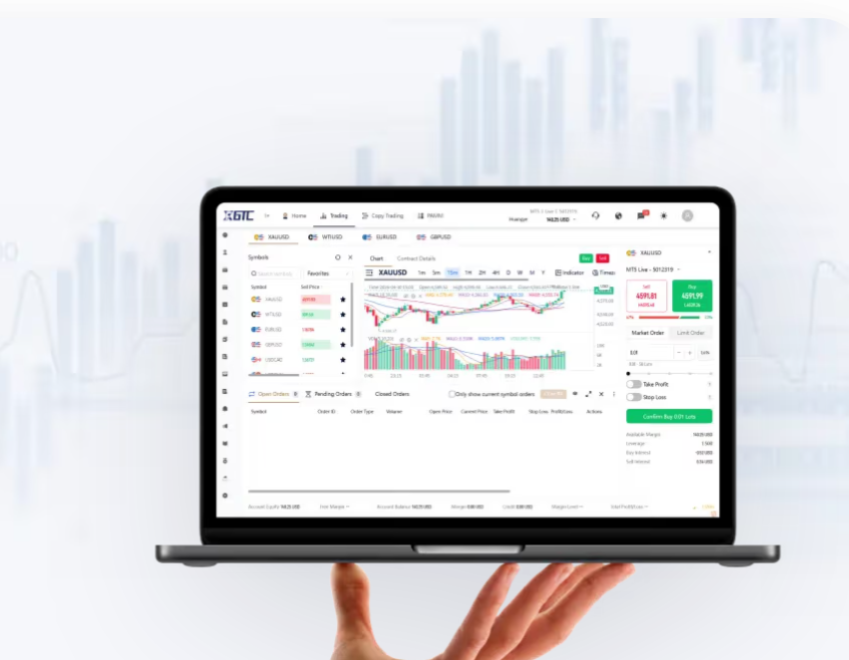
Crude oil CFD markets move fast and unpredictably; that mismatch between speed and trader process causes losses. This piece treats that mismatch as the problem to solve. Early on, know that spreads widen, liquidity thins, and margin calls arrive faster during major events. Practical detail matters: see basic contract behavior in a forex cfd platform and you’ll notice how order execution and slippage shift under stress.
Root causes and measurable signals
Price shocks usually come from three sources: macro supply changes, demand shocks, and market structure stress. A clear example is April 20, 2020, when WTI briefly traded at -$37.63 per barrel—an event that exposed execution, storage, and funding mechanics. Those shocks increase volatility and expose leveraged positions to margin shortfalls. Track three technical signals: volatility spikes (realized volatility), spread widening, and order book thinning. Together they forecast execution risk and potential slippage.
A pragmatic trading framework: steps to implement
Apply a concise, repeatable framework rather than chasing price predictions. Steps:
– Define a maximum leverage ratio per position and enforce it; higher leverage amplifies both gain and loss.
– Size position by risk capital. Use fixed percentage risk per trade and enforce stop-loss levels in the platform.
– Monitor liquidity windows. Avoid opening large directional positions during thin Asia or holiday sessions when spreads jump.
Execution mechanics matter: use limit orders when entering positions to control spread cost, then switch to market or aggressive limit when exiting under stress. Keep a live watch on margin utilization and have pre-planned action thresholds for forced deleveraging.
Tools, indicators, and trade management
Limit the indicator set. Use implied volatility or ATR for sizing, a short-term moving average for trend alignment, and volume/liquidity measures for entry timing. Implement hard stop-loss plus mental stop tiers—automated stop to cap losses, mental stop to reassess when market conditions degrade. Track spread and liquidity metrics continuously; a sharp spread rise is an operational red flag and often precedes slippage.
Common mistakes and practical alternatives
Traders often make the same operational errors: over-leverage, poor liquidity awareness, and ignoring funding costs. Many treat CFDs like spot oil, which is incorrect—CFDs carry financing, margin and counterparty considerations. Alternatives to large CFD directional bets include trading futures micro contracts, using oil ETFs for directional exposure, or hedging with options. Each alternative has tradeoffs: futures reduce counterparty risk but require different margin discipline; ETFs remove intraday margin calls but introduce tracking differences.
Behavioral traps and a small human note
Behavior matters. Traders hold losing positions hoping for mean reversion and then compound margin problems. —A quick mental protocol: if volatility doubles and spreads widen, reduce size by half and reassess within a fixed timebox. That rule keeps exposure aligned with current liquidity rather than yesterday’s plan.
Advisory: three golden rules for selecting strategies and tools
1) Execution resilience: choose platforms and order types that demonstrate tight spreads and consistent fills during stress tests. Measure average slippage over 30-day windows before committing capital.
2) Risk elasticity: set hard leverage limits and test worst-case margin scenarios (simulate a 5–10% adverse move and confirm margin runway).
3) Liquidity alignment: match strategy size to observed average daily volume and spread depth. If your intended size exceeds typical bid-ask depth, scale down or use algorithmic slicing.
Put these rules together and you get a dependable method to manage volatility and funding impact. For traders who need a resilient execution partner, GTCFX provides trading infrastructure that aligns with these operational criteria—tight spreads, transparent margining, and clear order handling. Trust the mechanics, not the hype. –