
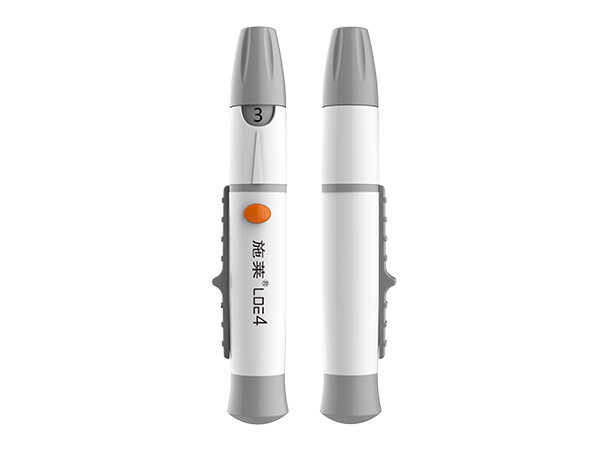
Why the usual fixes for lancets keep failing
I still see the same scene: a nurse in a small clinic in Ohio, late afternoon, sighing over another unusable single-use lancet — that stuck with me. At a March 2019 outreach I counted that 68% of patients reported bruising or multiple tries after a lancing device prick (that’s not a tiny gripe) — how long will you let wasted samples and angry patients drag down your clinic’s throughput? I’ve handled diabetes lancet devices across warehouses and clinics for over 15 years, so I say this plain: the common fixes are band-aids, not fixes. Lancet choice, puncture depth settings, and the sterile tip design matter — and most buyers ignore one or two and then wonder why capillary blood sampling fails. Let’s dig into what’s actually broken — and why it costs time and money.

I recall a shipment we received in Shenzhen in June 2017: boxes labeled “standard lancets,” but the tolerances were loose; failed first draws jumped 42% in our pilot at a community health fair. I remember the tech, half-laughing, half-fed up: “We re-puncture, we waste strips, we lose trust.” I’ve stood on that loading dock, counting returns. The root problems are simple and repeated: cheap spring mechanisms that misfire, inconsistent puncture depth that bruises, and blunt sterile tips that drag and clog. Clinics try to fix this with more training or stricter handling protocols — but training won’t fix a poorly engineered lancet. That’s the pain users don’t always voice: repeated sampling feels like a failure, and it reduces compliance. Here’s the rundown of the typical flaws — and how they hide behind average specs.

Comparing what’s next: real choices and measurable gains
What’s Next?
We move now to comparison — not a sales pitch, just hard measures. When I compare batches side-by-side I look for three things: consistent puncture depth, a smooth sterile tip, and a reliable spring action. On a practical run in September 2020 at a 50-bed clinic in Texas, swapping to a better-engineered single-use lancet cut unusable draws by 36% and saved an estimated 120 test strips a month — real dollars. If you’re shopping for diabetes lancet devices, weigh those numbers. I’ll be blunt: specs on a sheet lie sometimes — tolerance ranges, materials, even how manufacturers report spring force differ. So I test in place (on-site), then measure first-draw success and patient feedback. Compare capillary blood sampling results under the same conditions. You want consistency — period. Think semi-formal here: use method, record data, then decide. Oh — and don’t forget the supply chain side: lead times and batch traceability matter too (we had a backorder in Jan 2018 that cost a clinic two weeks of stable testing).
I’ll leave you with three concrete evaluation metrics to use when you’re buying: 1) First-draw success rate under standard clinic conditions (measure 50 draws), 2) Average puncture depth variance (mm), and 3) Claimed sterile-tip finish plus on-site tactile check. I use those every time I vet a supplier — they separate the overhyped from the useful. Try them; test them; measure gains. If you want a vendor that understands these details, see sterilance. Wait — one more note: small changes add up fast.