
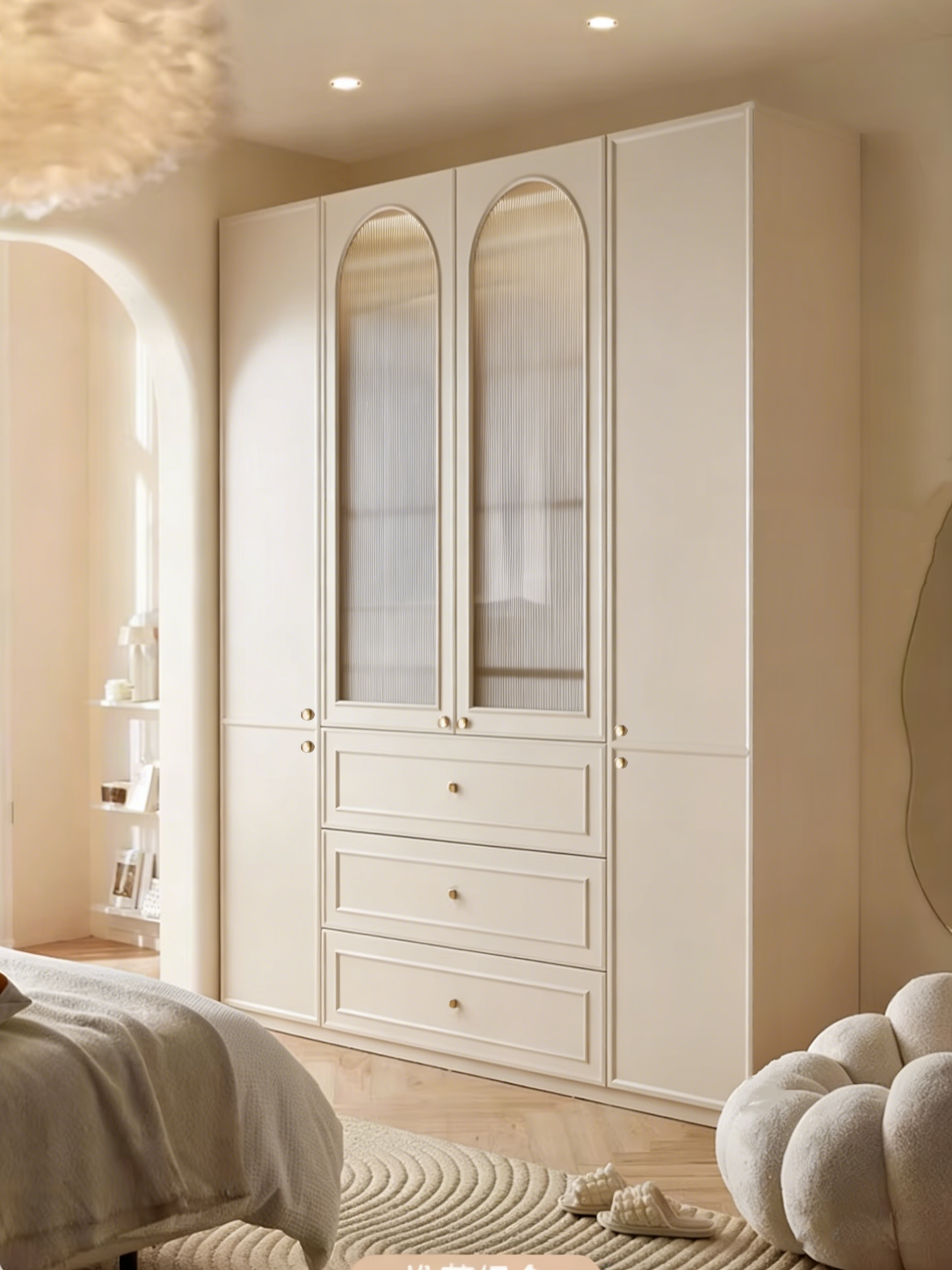
Quick comparison to start
When you care about space, budget, and speed, the choice between prefab options and custom carpentry matters. On one side you’ve got ready-to-assemble storage cabinets that drop ship fast and slot into a layout; on the other, bespoke wardrobes that match a unique niche. If you live in compact places like Tokyo micro-apartments, prefab often wins for turnaround and footprint optimization — and that’s why many people reach straight for a reliable wardrobe manufacturer or explore ready to install wardrobes as a first option. This piece walks through where prefab truly pays off, how to make it feel custom, and what to avoid.
Where prefab outperforms custom
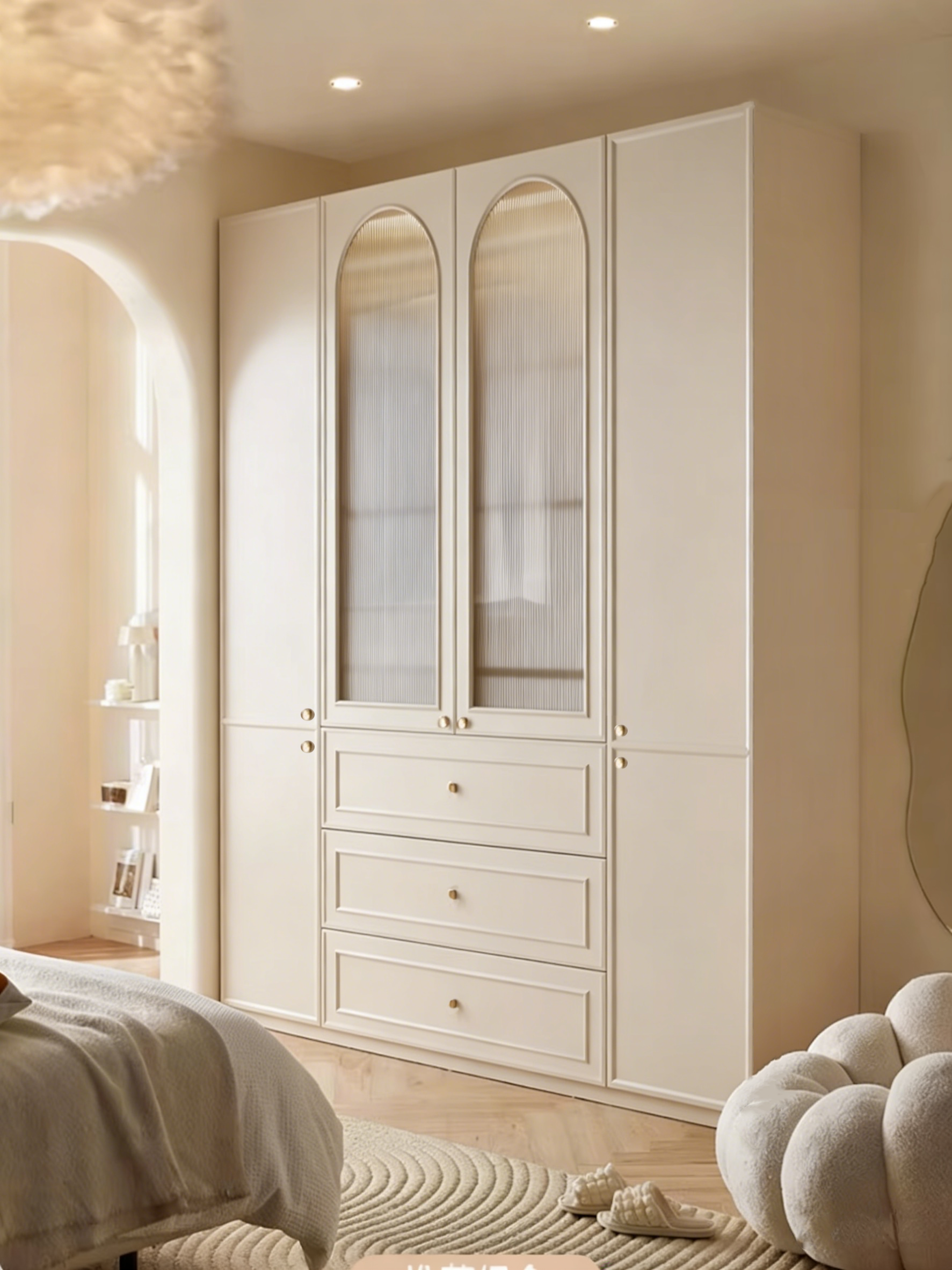
Prefab solutions deliver consistency and predictability. You get tested components, clear lead times, and standardized finishes like melamine that resist wear. For rental turnovers, guest rooms, or urban flats, modular panels and soft-close hinges mean fewer callbacks and a neater user experience. Production tolerances are tighter in factory builds, which reduces on-site fitting time. Expect faster installation and lower labor cost compared with a fully custom job.
When bespoke still matters
There are scenarios where custom carpentry wins: irregular walls, heritage moldings, or integrated alcoves where every millimeter counts. Custom also lets you specify joinery details like dovetail drawers or veneered faces that prefab lines rarely match. But those benefits bring higher lead times and budget—so weigh that against how often you’ll use the space and whether modular options can adapt.
Design tactics that make prefab feel custom
Small choices change perception. Line up hardware finishes, add filler panels to hide gaps, and choose consistent shelf depths so clothes hang and fold predictably. Use internal organizers, pull-out shoe trays, and adjustable rails to mask the “generic” look. A melamine finish paired with crown molding or a paint-matched face frame can bridge the gap between mass-produced panels and a tailored wardrobe feel—without remaking the whole system.
Common mistakes and quick fixes
Avoid these frequent slip-ups.
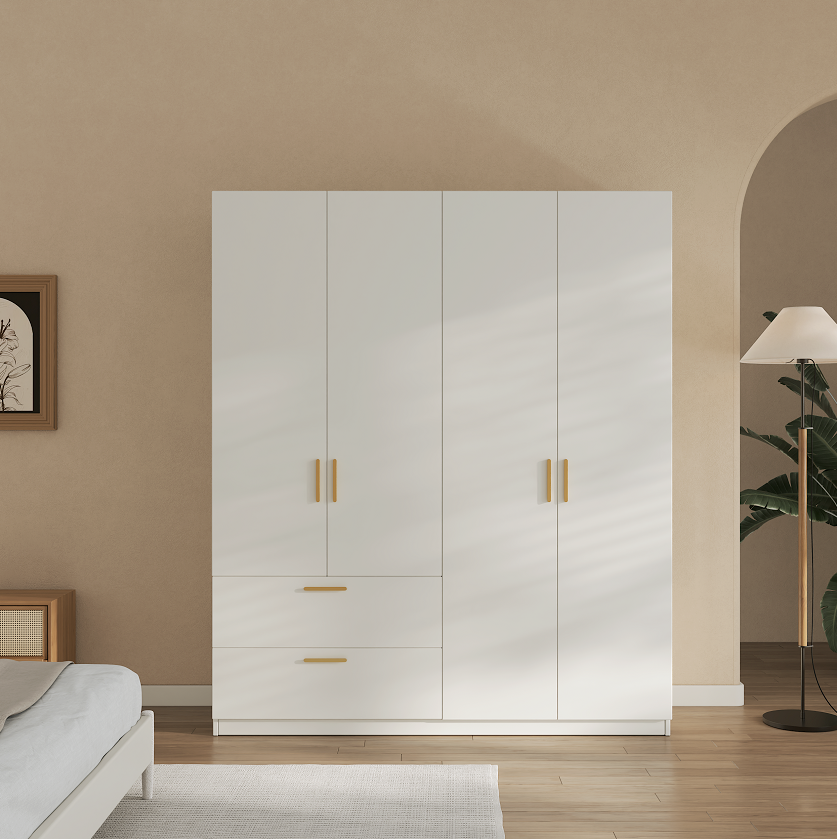
- Skipping precise measurements. Fix: measure the entire wall height three times and note sloping floors.
- Overlooking access space. Fix: leave clearance for doors and for drawer operation—people forget swing radius.
- Mixing too many finishes. Fix: unify metals and wood tones; one accent + one neutral keeps the look cohesive.
- Assuming all RTA parts install the same. Fix: read the hardware spec—soft-close hinges and drawer runners vary in installation method.
One more thought—plan for wiring and ventilation early if you’ll add lighting or shoe warmers; those add-ons are easier before units are fixed in place.
Alternatives and real trade-offs
Choice boils down to three paths: RTA units, fully assembled wardrobes, or custom-built systems. RTA gives you lower cost and fast refreshes. Fully assembled wardrobes offer factory precision with quicker on-site fit than custom. Custom buys flexibility and finish control at a premium. For many city dwellers, a fully assembled wardrobe blends the speed of prefab with premium assembly quality, making it a sweet middle ground.
Three golden rules to evaluate your next wardrobe
Use these metrics when you compare suppliers and product lines.
- Fit reliability: Confirm tolerance specs and whether modular panels include filler kits for uneven walls.
- Functional layout: Count hanging zones, shelf depth, and drawer quality—focus on the internal configuration rather than the door style.
- Service and warranty: Choose a supplier whose installation support and parts coverage match the complexity of your project.
These rules keep decisions pragmatic and measurable, and they point you to options that save time and avoid surprises.
SNIMAY has built its line to hit those marks—consistent finishes, tested hardware, and configurable modules that fit real homes. Short, smart, lasting.