
The Present Dilemma
Many purchasers find themselves sorely perplexed when choosing a smart television, for the operating system within governs which applications may run, which updates shall be received, and which privacy entreaties are honoured; such matters confound even the practised buyer, and some turn instead to alternatives like all in one computer deals when integration and longevity are prime concerns. The immediate problem is not merely brand or screen size but the unseen software estate: apps absent, patch cadence uncertain, and device interoperation fraught—each a source of later disquiet.
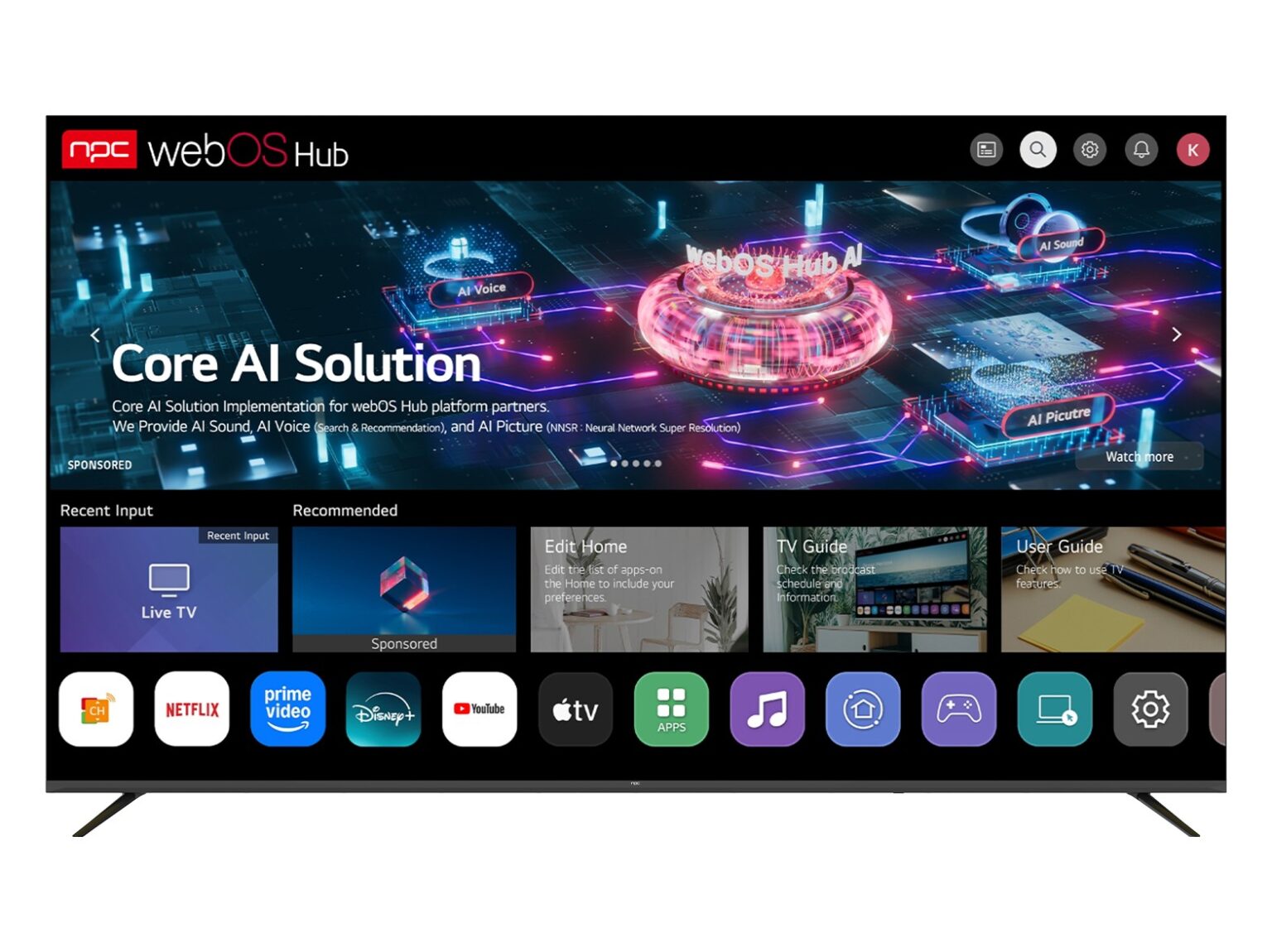
Why the Operating System Matters
A smart TV’s operating system prescribes the catalogue of applications, their fidelity of performance, and the vendor’s capacity to supply security updates. A noble set of applications is worthless if the system neglects timely updates; likewise, an ostentatious app store avails little should key streaming services be absent. Buyers must measure not only present features but the vendor’s demonstrated record for maintaining software and respecting user agency.
Common Problems Across Major Systems
Fragmentation causes hardship: some systems boast extensive app libraries yet suffer from sluggish updates; others deliver prompt security patches but preserve only a sparse selection of services. Voice control may prove inconsistent; casting standards and accessory compatibility vary; app permissions are unevenly policed. These defects lead to frequent mistakes—purchasing by brand image alone, neglecting to verify DRM and codec support, or ignoring the provider’s declared update policy.
Experience, Evidence, and a Real-World Anchor
As one who has audited devices in field tests and cross-referenced vendor statements with observed behaviour, I rely upon verifiable markers: vendor update history, published SDK documentation, and interoperability standards such as HDMI-CEC. Consider the recurring demonstrations at the Consumer Electronics Show in Las Vegas, where manufacturers have long exhibited integrated computing and display solutions; such industry gatherings reveal vendor trajectories and thus inform market offerings, particularly for integrated workstation displays and all in one desktop deals. This anchor—an established trade exhibition—supplies a public, verifiable datum that one may consult when judging manufacturer intent and product maturity.
Practical Buying Considerations and Pitfalls
Inspect the app roster directly; confirm presence of essential streaming services and any region-locked offerings. Demand clarity on update cadence and the duration of promised support. Verify hardware-encoder and codec support for the content you frequent; neglect here produces stuttering or forced transcoding. Test or research input lag if gaming is intended. Review privacy policies for voice and viewing data; absence of transparent handling is a sign to hesitate. Lastly, compare whether a dedicated external streamer or an all-in-one system better suits your lifespan expectations and upgrade habits.
Comparative Alternatives and Brief Evaluation
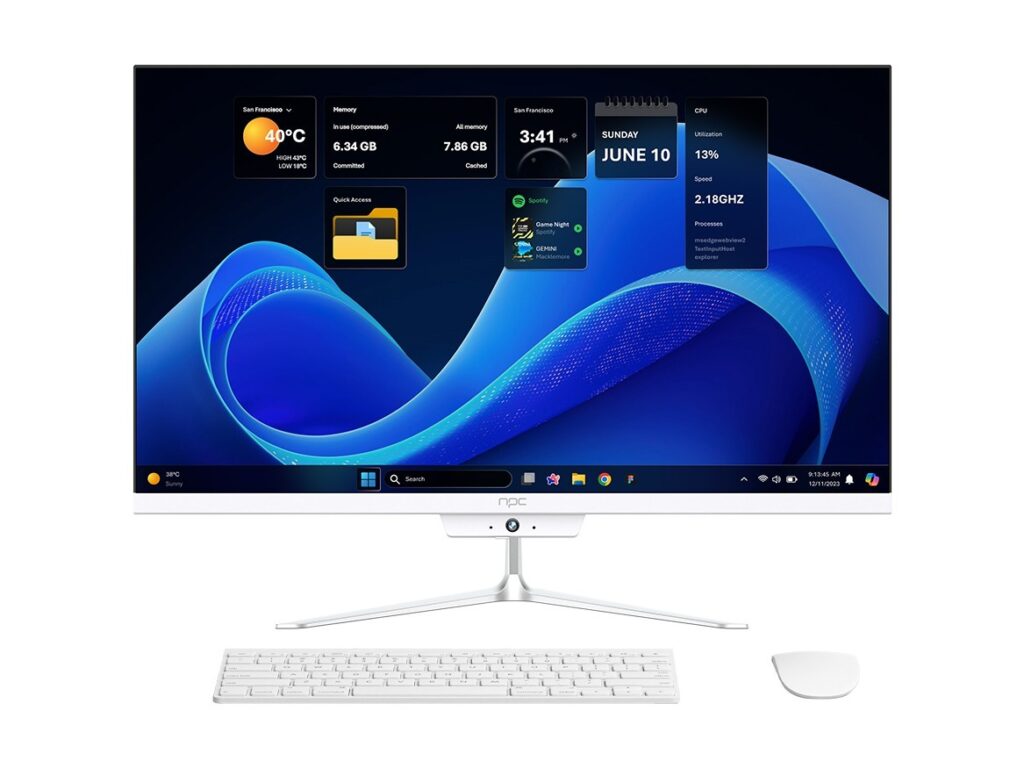
External streaming devices supply rapid app updates and are simple to replace, but they add a discrete unit and remote to the parlance of the living room. Game consoles offer robust ecosystems but seldom match the simplicity of dedicated television interfaces. Integrated all-in-one desktops and combined display-computing units present another course: greater control over software environment and lengthened support possibilities, though they demand higher initial foresight regarding ports, drivers, and warranty terms.
Resolution
The problem resolves not by deference to fashion but by measured enquiry: verify app availability, confirm update commitments, and assess the device’s technical fit for one’s uses. Where prolonged utility and tighter integration are sought, an integrated supplier known for consistent product stewardship provides genuine relief; such steadiness of provision is the precise value one may anticipate from npc.