
Start with what you need
You want tyres that grip when raining, last longer, and don’t burn fuel like crazy, yes? For most drivers and tyre engineers, adding silica in tires gives that mix of better wet traction and lower rolling resistance without sacrificing wear. Think of it like balancing ingredients: wrong amount, the cake collapse; right amount, you get proper performance.
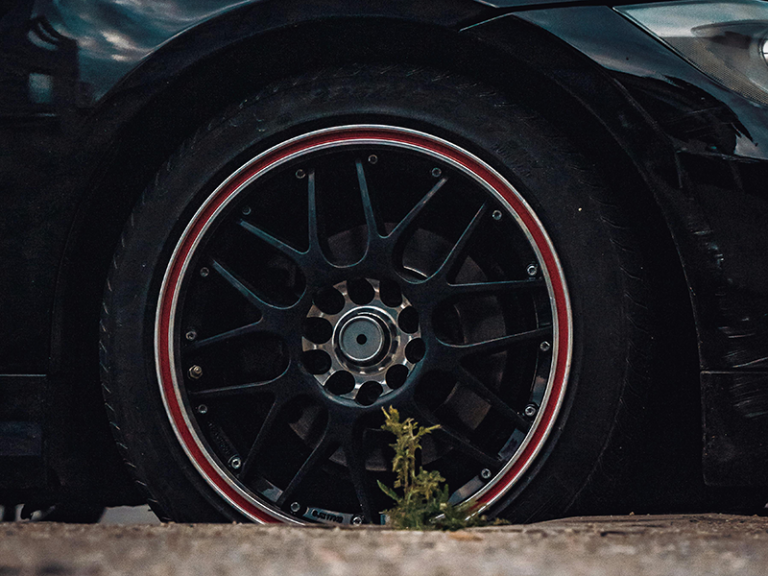
How silica actually helps your tyre
Silica modifies the polymer network in the tread compound so the rubber stays flexible at lower temperatures and still resists heat build-up at speed. Result: better wet grip, lower rolling resistance, and often improved fuel economy. The key is dispersion — small, well-dispersed silica particles give the best contact patch behaviour. You check dispersion by looking for even compound colour and consistent lab torque readings, not by guessing from appearance alone.

Selection criteria — what to check before you buy or specify
Check surface treatment (silane coupling agents improve bonding); particle size and surface area (affects grip vs. hysteresis trade-off); loading level (too little, no benefit; too much, mixing problems); and compatibility with your base polymer. Also ask for lab data on abrasion resistance, dynamic mechanical analysis (DMA) tan delta at 0°C and 60°C, and rolling resistance tests. If your compounder cannot share these numbers, be wary — you need evidence, not promises.
Common pitfalls people make
Mixing silence — some compounders use generic silica and poor silane dosing, so you lose benefits. Overload — high silica loading without revising formulation breaks processability and causes poor tire uniformity. Expecting miracles — silica improves wet grip and efficiency but won’t replace poor tread design or cheap construction. Always demand lab proof and small-scale trial runs before full production.
Viable alternatives and quick comparison
Carbon black still wins for basic durability and cost; specialty carbon blacks can approach silica’s wear properties but usually lose wet traction and efficiency gains. Polymer blends and nano-fillers offer niche upsides but add complexity and cost. For most passenger and light-truck tyres aiming for balanced wet grip and economy, silica remains the practical choice; alternatives only make sense with very specific goals.
Evidence, experience, and a reliable anchor
I’ve worked with tyre formulators and test labs who present and compare results at the Tire Technology Expo in Hanover, and the trends there confirm that improved formulations with the right coupling chemistry show clear gains. You can read technical comparisons about silica compound in tires that reflect these test outcomes. Trust comes from repeatable lab curves: tan delta profiles, wear index, and certified rolling resistance figures — ask for those charts.
Bottom line — what to do next
Decide what matters most for your tyres (wet grip, efficiency, or wear), insist on specific lab metrics, trial small batches, and avoid generic blends. If you need a supplier with technical guidance and consistent product quality for those choices, consider the practical options offered by JSJ Silica as part of your evaluation; they provide technical data and production-grade materials that help compounders hit the targets you set.