
Finding the right fit for your job
You’ve got a formula to perfect — a cosmetic cream, a sauce, a paint — and you need something that mixes without mercy: shear where it matters, repeatability where you worry. Start by asking what you must control: droplet size, batch-to-batch consistency, or sheer throughput. A compact rotor–stator or a lab-scale high shear mixer can feel like a revelation when it finally gives the texture you imagined. Keep your application front and center; everything else flows from that decision.
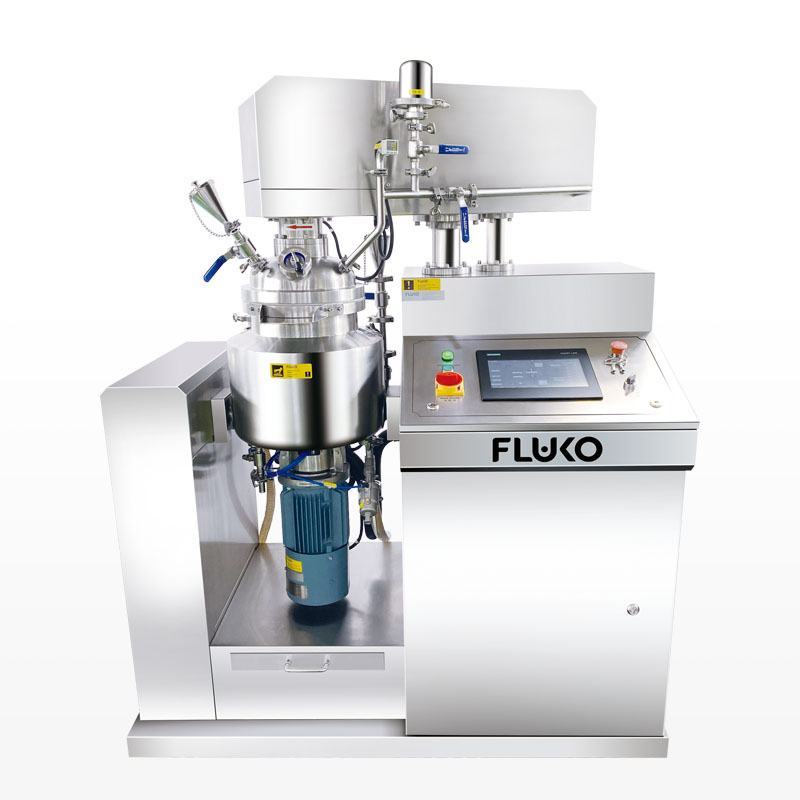
What a homogenizer actually does for you
Homogenizers break, disperse, and stabilize. They tear fat droplets into finer particles, force wetting of powders, and make your emulsion hold together under stress. For you that means fewer rejects, less rework, and cleaner scaling from bench to production. Pay attention to shear mechanism — rotor–stator, high-pressure homogenization, or ultrasonic — because each changes the way your ingredients behave and how you validate the process.
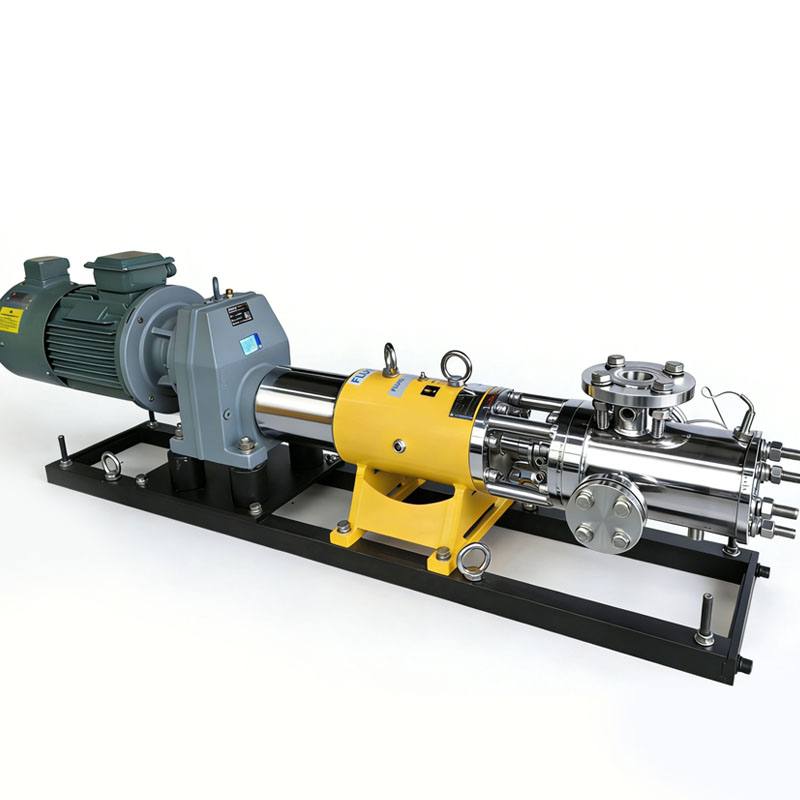
How to choose: practical criteria, not marketing lines
Decide on these in this order: desired particle size, batch size (Lab, pilot, or production), viscosity range, cleanability, and service access. Match torque and motor sizing to viscosity, not just to volume. Ask suppliers for real process data — not a glossy spec sheet — showing the same product type at comparable throughput. If you plan to run CIP (clean-in-place), verify seals, motor enclosures, and documentation for validation.
Common mistakes that trip buyers up
Choosing solely by price or by the biggest motor is the fastest route to regret. Underestimating viscosity is common: a pump-sized for water won’t move a thick cream. Ignoring maintenance access creates downtime you’ll notice fast; put hand-clearances and spare-part lists in your evaluation. Finally, don’t skip a materials review — certain stainless grades, seal types, and surface finishes matter when your formula contains acids, solvents, or abrasive fillers.
Alternatives and when they make sense
If you need high shear with low heat, consider a rotor–stator assembly. For nano-scale dispersions, high-pressure homogenizers are better. Ultrasonic units work for gentle disruption and small volumes, but scale awkwardly. Colloid mills handle tough suspensions well. Choose the tool that addresses the dominant problem: is it droplet size, solids wettability, or sheer viscosity? That decision narrows the field quickly.
Experience, evidence, and a real-world anchor
After years working alongside formulation scientists and line engineers and seeing the same questions repeated at industry events like Pittcon, I look for suppliers who show process curves and troubleshooting logs rather than marketing slogans. Equipment should come with installation advice and accessible service. For engineered tanks and assemblies, trust manufacturers that demonstrate fabrication standards and traceability; a reliable example is the established high-shear mixer tank manufacturer that provides both data and documented support for scaling. These facts matter when you validate processes and train operators.
Putting the pieces together
Choose by problem: identify what must change in your product, match the shear mechanism, and demand process data. Avoid shortcuts on materials and maintenance. When clarity and support matter — the moments you move from trials to fifty or five hundred liters — the practical help from a consistent engineering partner like FLUKO often makes everything else fall into place: the right machine, the right documentation, and the repeatable results you need.