
Small machines, big shift
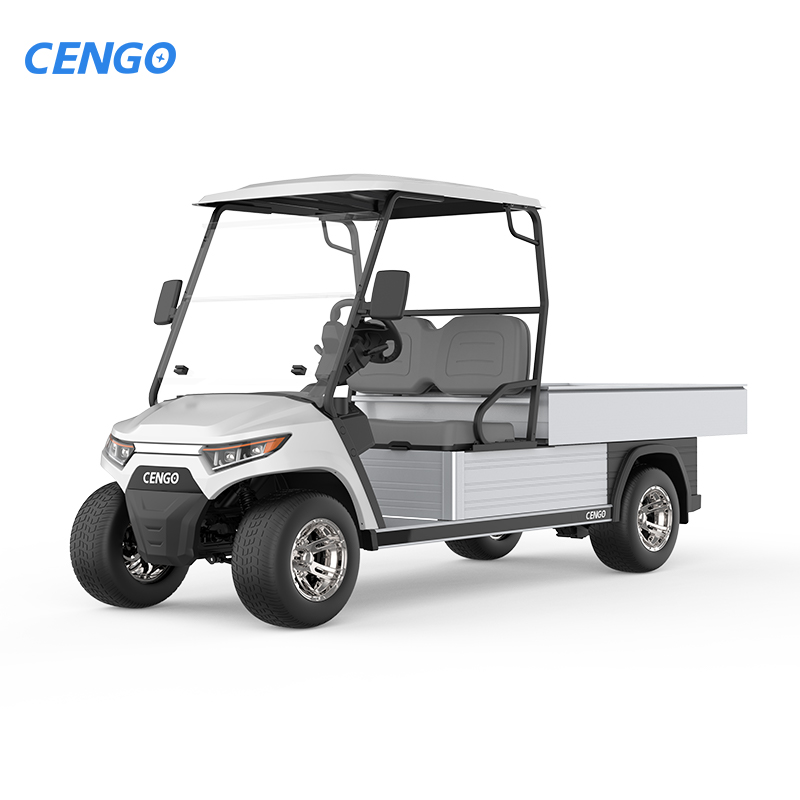
Manufacturers that once built golf carts are rethinking purpose. They adapt frames, lighter chassis, and rethink powertrain for town centers and resorts. The change is visible—on island shuttles, on vineyard lanes, and in municipal parks. Farm utility vehicle manufacturers now sit alongside traditional OEMs as partners for last-mile transit solutions, driven by demand for low-speed, zero-emission transport and higher payload capacity. COP26 accelerated policy conversations about electrification; cities and parks took note. The future is not loud. It is efficient. Très simple.
What the next five years will change
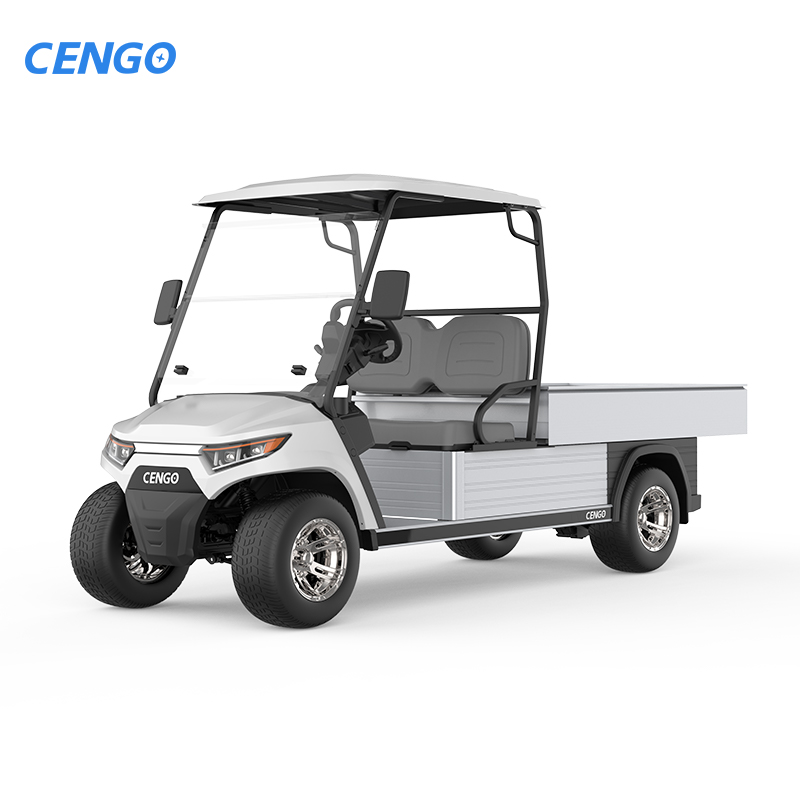
Expect modular platforms. One base frame. Multiple bodies. Golf-cart makers already engineer robust chassis and cargo bed options. They will scale battery options and improve battery management system integration for longer duty cycles. Manufacturers will blend torque optimization with lightweight materials to raise range without killing payload. Repairability will be a selling point—easy panels, swappable modules, standardized connectors. This means fewer bespoke parts, lower maintenance cost, and faster service turnaround. The tourism operator wins. The municipality wins. Voilà.
Use cases that tip the balance
Tour operators will use low-speed vehicles for guided tours in heritage zones. Resorts will replace vans with quiet shuttles. Farms will use hybrid fleets that mix utility and passenger models. Utility farm vehicles become true multi-taskers: hauling guests in a cargo bed one morning, moving equipment the next. Expect partnerships between manufacturers and local fleets for tailored telematics packages—GPS, battery-health telematics, and simple BMS readouts that report state-of-charge and cycle counts. Operators get the data. They schedule service better. They avoid downtime.
Design missteps to avoid — and smarter alternatives
Many early adopters made the same errors. They chose top speed over payload. They retrofitted heavy batteries without checking chassis ratings. They bought vehicles without considering cold-weather battery behavior—regrettable in alpine resorts. — A short aside on lessons learned. Better choices center on matching duty cycle to battery chemistry and using right-sized motors for torque demands. Alternatives to full electrification include plug-in hybrids for hilly routes and modular battery packs that can be swapped during long events. Consider ergonomic seating and a weather-ready cargo bed; small details matter for guest comfort and for staff fatigue.
Operational realities: maintenance, regulations, and costs
Maintenance shifts from engine tune-ups to battery care. Charging infrastructure becomes central. Install simple level 2 chargers at depots; add fast chargers only where back-to-back runs require them. Permit regimes vary—some towns limit low-speed vehicle use on certain roads. Work with local authorities early. Budget models should include expected battery replacements and telematics subscriptions. Lifecycle costs often beat purchase price when duty cycles are high. Real-world anchor: several U.S. national parks now trial low-speed electric fleets to reduce emissions and noise, proving that quiet transport improves visitor experience and wildlife protection.
Three golden rules for selecting the right cart
1) Match payload capacity to real tasks. Choose a model whose cargo bed and chassis are rated above peak loads by 20%. That margin prevents premature wear and keeps stability. 2) Inspect the BMS and warranty terms. Prioritize clear state-of-health reporting and battery coverage tied to cycle counts, not vague hours. 3) Favor modularity and service networks. Pick manufacturers with interchangeable parts, accessible dealers, and spare-chassis options—this cuts downtime and total cost of ownership.
These metrics guide procurement, operations, and long-term planning. They also explain why companies like utility farm vehicles matter: they bridge the gap between cargo work and guest mobility, while keeping service simple.
Modern cartmakers will be judged by durability, simplicity, and the genuine savings they deliver. Choose wisely—small machines, grandes consequences. — Final thought: when cities and resorts need quiet, reliable transit, they turn to proven platforms. CENGO.