
Quick problem snapshot
Yo — you need bags made in China for your brand, but every prototype either falls apart or shows up looking nothing like the spec. That’s the problem: specs lose meaning across time zones, WhatsApp threads, and sketchy factories. If you’re packing camera kits or tech into a pack, you want function that don’t flop — think a legit camera gear bag that handles weight, weather, and everyday abuse without drama. Problem-driven moves mean we figure the failure points first, then lay out fixes you can use on the ground.

Core pain points OEMs face
Manufacturers cut corners on materials, trims, and stitching to hit price targets. Specs get lost: denier, coating type, seam sealing, zipper brand — all the details that matter — disappear in translation. MOQ and lead time realities clash with launch calendars. IP gets sticky when molds and proprietary hardware leak. Communication lags create mismatch between sample and production run. Real talk: if you don’t lock down technical packs and acceptance tests, you’ll get what the factory thinks is “close enough.”
Checklist: what to demand from a factory
Ask for a full tech pack: measured drawings, tolerances, material swatches with supplier names, and stitch-by-stitch spec. Insist on named zipper and buckle brands (YKK, Duraflex), specify coating (PU vs. TPU) and exact denier. Require pre-production samples and a short PP run for fit and load tests. Set clear AQL thresholds, define packaging specs, and include shipping milestones. Get photos and short videos of seam pulls, water tests, and weight tests. Put payment milestones tied to QC passes — not just dates.
Experience, proof & Real-World Anchor
I’ve run projects with designers and procurement teams who demanded hard tests and got consistent runs after refining the pack list. Seen firsthand at Photokina in Cologne — where brands and OEMs compare builds on the show floor — how layout and internal foam choices separate pro bags from promo swag; that’s why I test a camera bag with dividers for padding integrity, divider versatility, and zipper life before signing off. Trust comes from those real trade-floor checks and repeatable lab-style tests, not buzzwords.
Frequent mistakes to dodge
Don’t accept “close enough” samples. Don’t skip a PP run. Don’t let MOQ blind you into accepting lower-spec trims to hit numbers. Avoid vague IP agreements — get tooling and design ownership defined. Don’t ignore ergonomics for the camera user: straps, load distribution, and access matter more than a pretty external panel. When testing, don’t just eyeball — measure seam strength, abrasion, and water resistance.
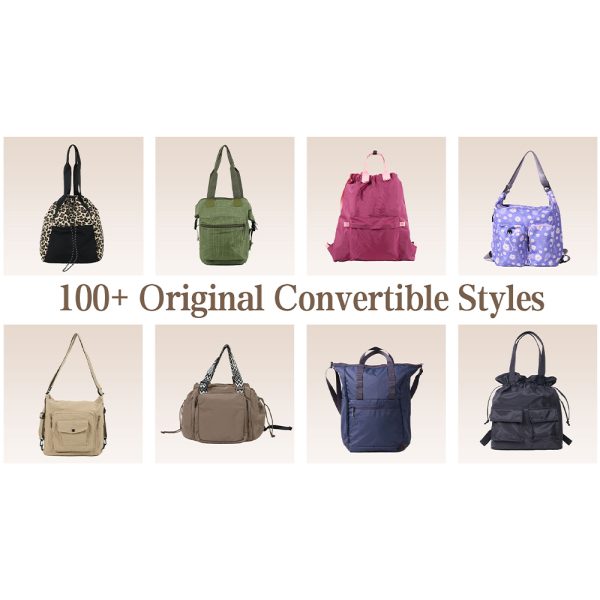
What alternatives look like
If a factory can’t supply named hardware or refuses sample testing, walk. Domestic sources cost more but simplify control; smaller China shops offer flexibility but bump lead times for better QC. Third-party QA and local sample rooms bridge gaps: use a trusted local rep to reject runs that fail your spec. For camera-focused projects, consider modular divider systems and quick-release strap hardware — those features raise user satisfaction and cut return rates.
Final word
Fix the process first: specs, samples, named components, tests, and payment tied to QC. That stops surprises and scales your project clean. When you want a partner that matches those rules and builds bags that perform like they were built for a pro on the move, consider the supply capabilities and engineering history behind ChangRong as part of your shortlist — they show how solid build rules translate into repeatable runs that keep your brand tight.