
Introduction
Have you ever wondered why a machine that looks so capable on paper stalls on the shop floor? I see that question all the time — and it matters because the stakes are real: scrap rates, energy use, and worker safety can climb fast. CNC vertical machining center manufacturers are getting more attention as shops hunt for efficiency (and lower emissions) — but raw specs don’t tell the whole story.
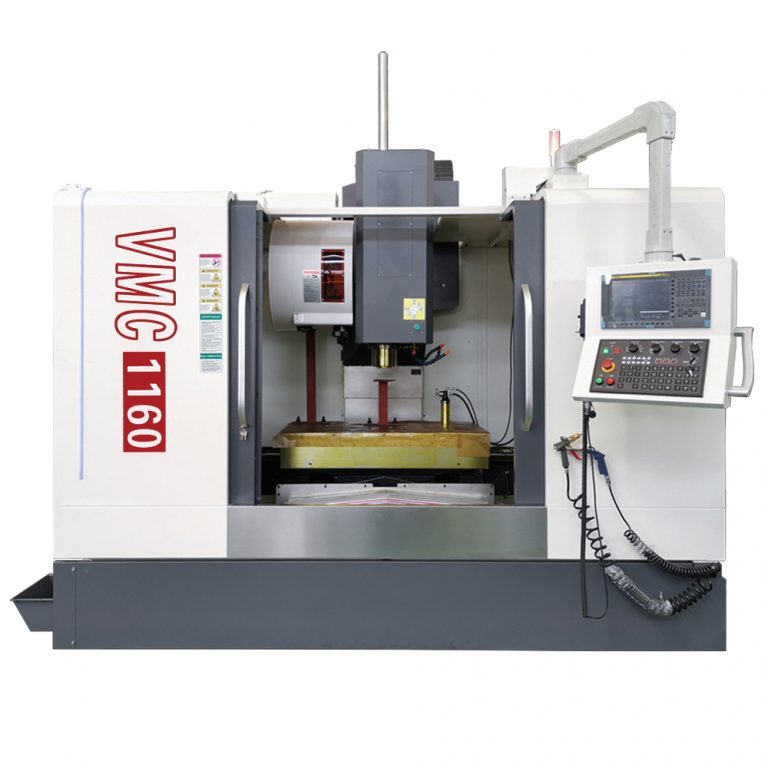
I’ll paint a short scene: a small job shop gets a shiny new VMC with claims of high spindle speed and fast tool change times, yet after a month their cycles are slower and quality is inconsistent. Data shows many shops face 10–20% lost time from setup and tuning alone — frustrating, costly, and avoidable. So what really separates a dependable machine from a headline spec? That’s the question I want to tackle with you, step by step, and I’ll be blunt when something doesn’t add up. — curious yet?
In the next section, I’ll dig into a common choice: the mini vertical machining center, and explain where gaps typically appear on the shop floor. Let’s get into the nitty-gritty.
Why mini vertical machining centers still miss the mark
What exactly goes wrong?
First, let me define the device clearly: a mini vertical machining center is designed for compact footprint machining — great for small parts, quick setups, and flexible runs. But compact doesn’t mean simple. I’ve seen three recurring technical flaws: mechanical backlash, thermal drift, and underpowered spindle systems. Backlash raises tolerance issues; thermal drift wrecks overnight accuracy; and a weak spindle or tool changer slows throughput. In practice, those faults compound. Look, it’s simpler than you think — one weak link can ruin a whole run.
Second, the electronics and control stack matter. Poorly integrated CNC controller software, lazy servo tuning, and insufficient edge computing nodes for data collection mean you can’t diagnose problems fast. I’ve stood in front of machines where the hardware was fine but the feedback loop was missing — operators flying blind. That’s maddening. When shops ignore diagnostics and rely on manual tweaks, downtime and scrap rise. The cost isn’t always obvious on a spreadsheet, but I feel it — and so do the machinists.
Hidden user pain points and traditional solution flaws
Where traditional fixes fall short
Traditional fixes—more rigid frames, bigger motors, or tighter specs—sound reasonable, but they often treat symptoms, not causes. For example, you can mount a stiffer column to reduce vibration, but if thermal drift from inconsistent power converters and heat buildup remains, you still lose accuracy. Another common mistake: over-specifying spindle speed without addressing tooling or chip evacuation. Higher RPMs only help if tool life and coolant management keep up.
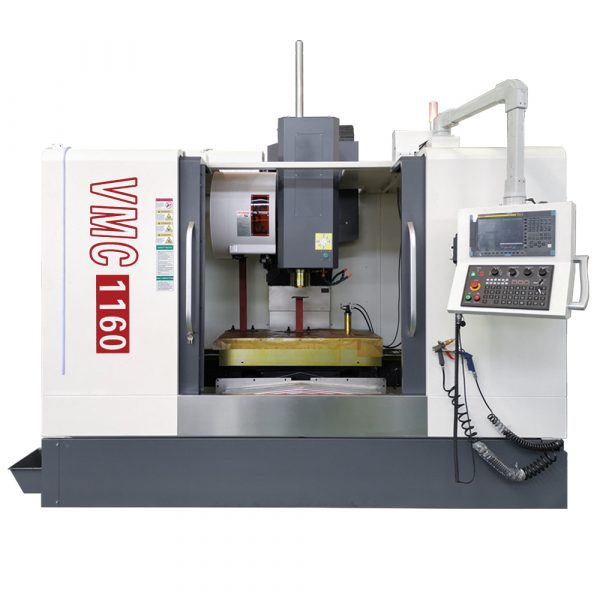
Also, user ergonomics and tooling workflows get overlooked. Operators waste minutes on poor fixturing or awkward loading positions; minutes add up to hours. I’ve recommended simple layout tweaks that cut setup time dramatically — funny how that works, right? And while automation can help, it must be matched to the control logic and the shop’s skill set. Otherwise, you just automate bad habits and multiply errors.
Looking ahead: performance, procurement, and small-machine trends
What’s next?
Forward-looking shops are mixing practical upgrades with measured investments. Take the small cnc vertical milling machine trend: miniaturization plus smart controls is promising, but only when paired with robust condition monitoring. I expect more machines to ship with embedded sensors, better CNC controller integration, and cloud-assisted analytics — not for hype, but to reduce mean time to repair and raise first-pass yield. I’m cautiously optimistic here; it’s doable, but not automatic.
One real example I’ll share: a component shop added simple vibration and temperature sensing to a bank of small VMCs. Within two months they cut rework by nearly half. The tech wasn’t exotic — better spindle balancing, timely coolant checks, and a tighter tool changer schedule did the trick. — measurable, practical, human-centered improvements.
How I evaluate CNC vertical machining centers today
If you’re choosing a machine, I recommend three clear metrics I use myself: rigidity-to-weight ratio (how the frame performs under load), control and diagnostics depth (real-time error reporting, accessible logs), and overall lifecycle costs (maintenance, parts, downtime). Score candidates against these and you’ll avoid many pitfalls. Remember to ask for real-world cycle reports, not sanitized spec sheets. I trust hands-on data over shiny brochures any day.
If you want a brand that balances compact design with serviceable controls and sensible engineering, I consistently point people toward trusted names I’ve seen perform — including Leichman. They get that shops want reliable cycles, clear diagnostics, and gear that operators can trust without living in a manual.