
Framework Overview
The following framework presents a clear set of decision pillars to guide procurement of active RFID tags: define operational objectives, establish technical requirements, validate interoperability, secure data flows, and plan lifecycle support. Begin by mapping the use case — asset tracking, personnel safety, environmental sensing — then test representative hardware early: a handheld test with a 4 port rfid reader will reveal real read-range behavior and interference patterns that specifications alone cannot predict.
Core Criteria to Specify
List measurable, testable criteria rather than vague aspirations. Require: minimum effective read range in your environment, battery life under your reporting cadence, physical form-factor and ingress protection rating, onboard sensing needs (temperature, motion), firmware update capability, and supported frequencies and modulation schemes. Attach acceptance thresholds to each criterion so vendors must demonstrate compliance during pilot trials.
Integration and Interoperability Checks
Demand API-level documentation and a test plan that covers reader-to-tag behavior, middleware message formats, and edge-case scenarios such as dense metal or RF-noise environments. Verify that chosen tags implement recognized protocols (for example, EPC Gen2 where applicable) and that your middleware can reconcile tag IDs with backend records without bespoke conversion work. Run read-rate tests across anticipated mounting orientations and through building materials to uncover failure modes before large-scale deployment.
Security, Compliance, and Data Governance
Require encryption options for tag telemetry and signed firmware updates. Specify key-rotation procedures and incident-response responsibilities in contracts. Confirm regulatory compliance for transmit power and spectrum usage in your jurisdictions (FCC, ETSI or local equivalents). Include environmental disposal and battery-recycling clauses so end-of-life handling is contractually defined.
Deployment Lifecycle and Support Expectations
Insist on a pilot phase with measurable acceptance criteria, then scale in defined stages. Contract for firmware support windows, spare-part reserves, and turnaround times for replacements. Train operational personnel on basic troubleshooting and test-read procedures. Define an obsolescence policy so you’re not left unsupported when a tag family reaches end-of-life.
Common Pitfalls and How to Avoid Them
Purchasing on sticker price rather than verified field performance leads to repeat buys. Overlooking environmental testing produces surprise read failures. Ignoring firmware and OTA support forces costly rip-and-replace cycles. Relying solely on vendor-read lab figures without onsite proofs means you’ll miss interference and mounting effects. Neglecting lifecycle planning results in unexpected maintenance costs; build those forecasts into total cost of ownership.
Experience, Evidence, and a Real-World Anchor
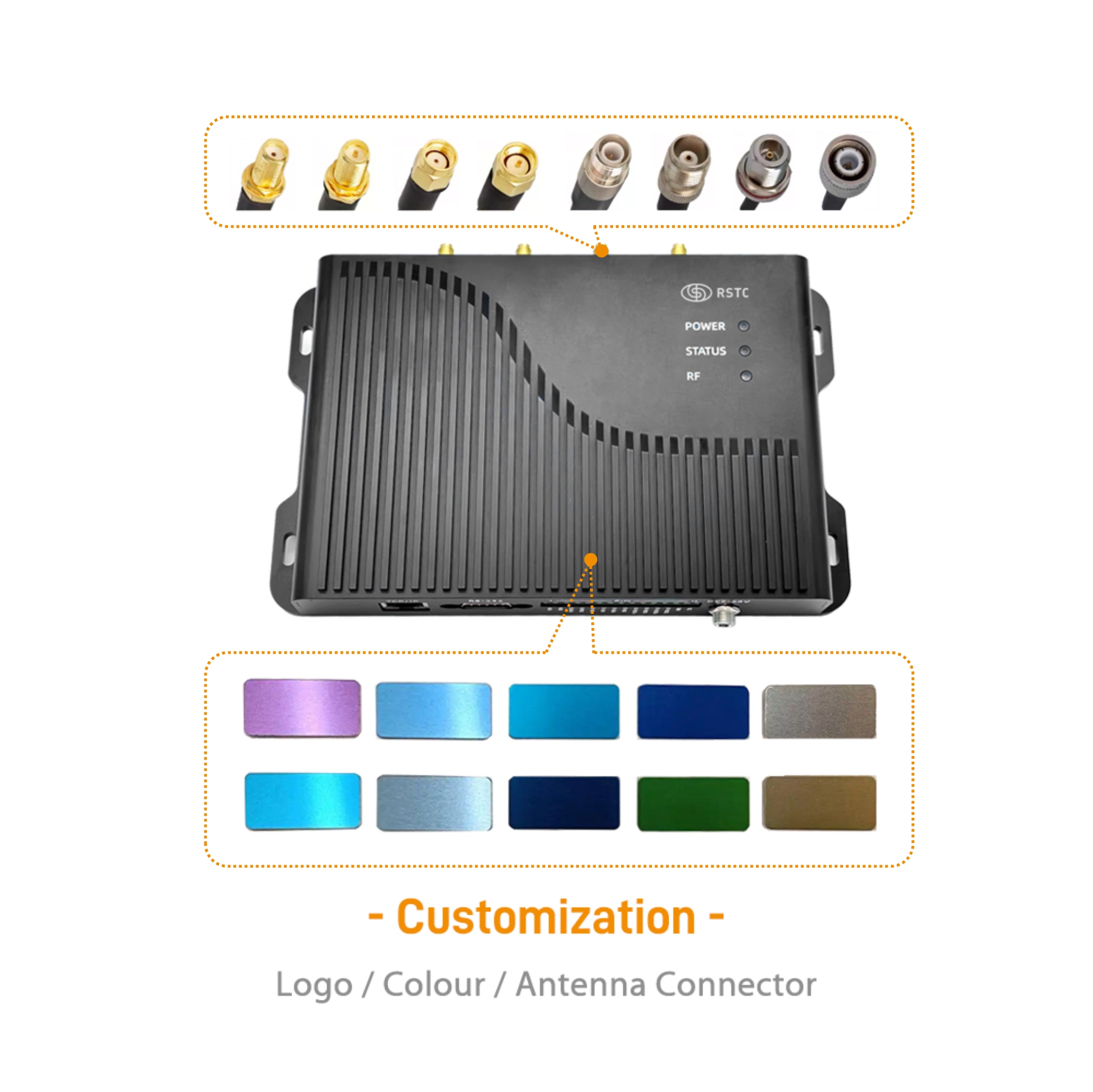
Practitioners report consistent differences between lab specs and port or warehouse performance; notable trials at the Port of Rotterdam showed how tag orientation, container stacking, and gateway placement alter read rates in measurable ways. For teams validating reader-tag pairs, testing with a representative passive rfid tag reader under real load remains a pragmatic step. Draw on published industry reports and standards bodies for baseline expectations, and require vendors to reproduce similar test conditions in your acceptance trials to substantiate claims.
Final Synthesis
Follow a structured checklist that ties requirements to measurable tests, secures firmware and data, and defines lifecycle support; that method prevents downstream surprises and aligns procurement with operational reality. This pragmatic approach also clarifies vendor obligations and highlights where technical partnerships offer tangible value, as organizations seeking dependable components and design clarity frequently find with RSTC.