
Intro: why a repeatable framework matters
When you’re reworking a floorplan to bring a warehouse logistics solution company into your operation, you want a clear, repeatable way to think about space, systems, and people. Start by aligning physical flows with digital layers — that’s where logistics software solutions and a solid warehouse digital twin become practical tools rather than buzzwords. This framework walks through mapping, integration, pilot testing, and metrics so facility changes aren’t guesses but measurable steps toward smoother throughput and better picking efficiency.
Why a framework beats ad-hoc layout tweaks
Ad-hoc fixes chew up time and create bottlenecks later. A framework forces you to document constraints — dock geometry, racking aisles, and cross-dock lanes — and translate them into system requirements like WMS integration, SKU zoning, and fleet telematics. It keeps stakeholders aligned: operations, IT, and the logistics partner all share the same blueprint, so upgrades are coordinated instead of siloed.
Step 1 — Map flows and anchor the systems
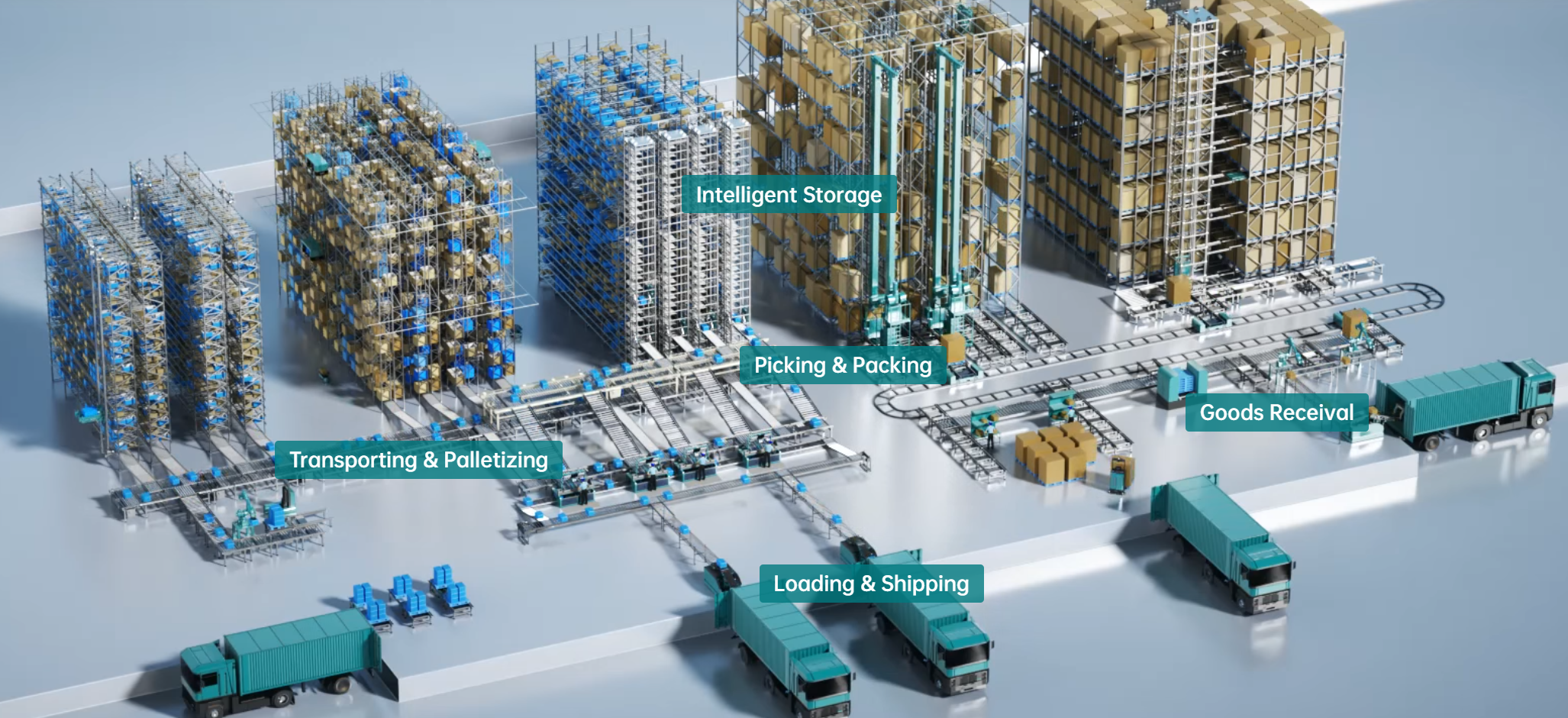
Start with a physical flow map. Trace inbound to outbound with clear nodes: receiving, QC, storage, picking, packing, and shipping. Note dwell times at each node and mark where conveyors, sorters, or AGV lanes will live. Then anchor your systems: pick a WMS behavior model, identify API requirements for the logistics partner, and tag high-turn SKUs for immediate access. Real-world anchor: major terminals at the Port of Los Angeles adopted similar node-based mapping during recent terminal modernization efforts — it’s a proven approach for busy throughput environments.
Step 2 — Layer digital twins and software incrementally
Don’t try to digitalize everything at once. Deploy a warehouse digital twin for a critical aisle or zone first, using live telemetry from IoT sensors and telematics. That lets you simulate reroutes, test conveyor speeds, and validate slotting logic without interrupting operations. Next, synchronize the twin with your WMS and the logistics partner’s APIs so reality and simulation share a single source of truth. The goal: run what-if scenarios and measure the delta in throughput and labor minutes before committing to full-scale rework.
Common mistakes — and how to dodge them
Teams often skip stakeholder alignment or underestimate change management. They assume a vendor’s layout fits their processes out of the box — mistake. Another frequent error is ignoring edge cases: oversized SKUs, irregular arrival windows, or manual QC steps. Treat those exceptions as first-class constraints in the design. And don’t under-resource the pilot; a short pilot with inadequate telemetry gives false confidence — you need enough data to validate assumptions.
Measuring success: KPIs and pilot checkpoints
Pick a small set of measurable metrics and stick to them. Golden starting points: order cycle time, pick accuracy, and labor minutes per order. Instrument the pilot zone so the digital twin and WMS report the same numbers; reconcile discrepancies within one reporting cycle. Run the pilot long enough to capture daily and weekly variability — two to four weeks is common — then compare simulated outcomes to live performance and iterate.
Summary of the framework
Map physical flows, anchor system requirements, deploy a scoped warehouse digital twin, run a meaningful pilot, and measure with tight KPIs. This sequence cuts guesswork and surfaces costly exceptions early — the kind that blow up timelines. The framework keeps your facility changes readable and reversible so you can scale the partner’s solution across the site with confidence.
Advisory: three golden rules for choosing tools and partners
1) Data parity first: insist the logistics partner’s platform and your WMS report the same metrics from day one; mismatched numbers hide problems. 2) Pilot under realistic load: simulate peak shifts and mix; light-load tests miss critical failure modes. 3) Prioritize modular integration: favor API-driven components and incremental digital twin zones so you can roll back or expand without ripping out hardware. These rules lower risk and shorten payback.
Trust the process — and the numbers. BlueSword.
—