
Introduction
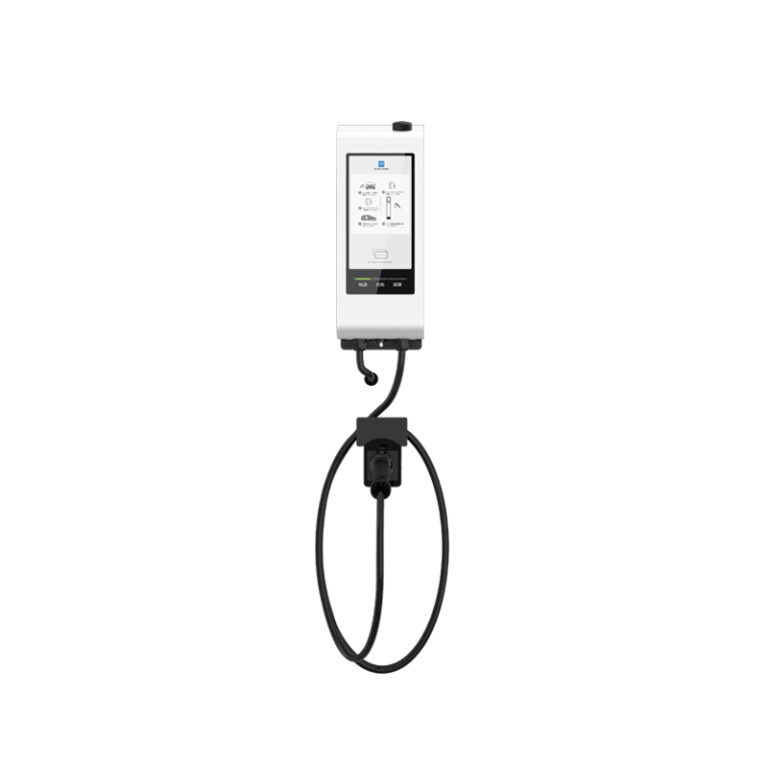
Permit me, with ceremonial politeness, to propose a tidy framework that treats your EV charger production like a long-lived instrument rather than a disposable novelty. This piece outlines repeatable steps to stretch factory output life through smart charging strategies while keeping quality steady. For context on home installations and recommended hardware see the best home EV charger and, for a hardware-specific anchor, note how the type 2 AC charger for EV dominates residential deployments in many markets. The framework below is practical, industry-aware and intentionally modest in its promises — which we shall keep.
Core Principles of the Framework
Start by formalizing five principles: durability by design, active thermal control, modular replacement, software-first service, and system-level load management. Design choices touching power electronics and connector durability matter as much as line-speed targets. Smart charging and load balancing must be treated as production-line outputs, not post-sale accessories. Each principle ties directly into production decisions: materials, test procedures, and firmware strategies that reduce failure rates and field interventions.
Stepwise Implementation
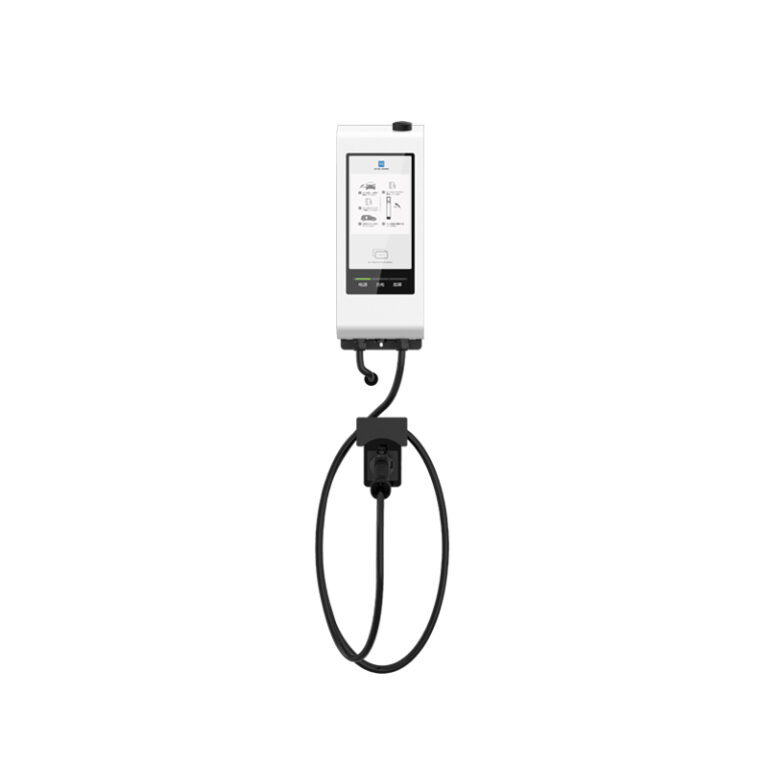
1) Modularize assembly lines so a damaged AC charging module or a Type 2 connector subassembly can be swapped without reworking the whole unit. 2) Bake in thermal sensors and a clear fault-reporting channel in the EVSE firmware; these lower mean time to repair. 3) Implement predictive maintenance: collect runtime telemetry, analyze charge cycles and temperature trends, then schedule part replacements before catastrophic failure. 4) Centralize firmware updates with rollback capability to avoid fleet-wide disruptions. 5) Run load-balancing simulations during product validation — this reduces stress on internal components over repeated heavy-duty cycles.
Common Mistakes and How to Avoid Them
Manufacturers often skimp on diagnostics or confuse uptime metrics with healthy life expectancy. Overemphasizing initial throughput without planning spare-part flows increases downtime later. Do not let field firmware drift become an afterthought; neglected firmware leads to inconsistent charging sessions and escalated warranty costs. Also avoid one-size-fits-all thermal strategies — environmental variation in garages, coastal sites or continental climates demands adaptable cooling approaches. A brief aside — a rushed vendor selection often costs more than a better contract would have saved.
Real-World Anchor and Testing Rigor
Observe how Type 2 connector installations across Europe standardize expectations for residential AC charging: this reduces variability for manufacturers and shortens the feedback loop between field issues and production fixes. Use that stability to run lifecycle tests that mimic three years of suburban home use: extended AC charging sessions, repeated plug cycles, and firmware stress under load. Track connector insertion cycles, thermal cycling intervals, and firmware rollback scenarios during those tests — these are tangible parameters that predict in-field performance.
Operational Metrics to Guide Decisions
Measure and optimize these three metrics as a matter of routine: mean time between failures (MTBF) for power modules; fleet uptime percentage after scheduled updates; and charge-session variance caused by firmware latency. Each metric offers a clear control lever: materials and assembly affect MTBF, update processes affect uptime, and software responsiveness affects session variance. Together they provide objective signals for capital investments and process changes.
Conclusion — Advisory
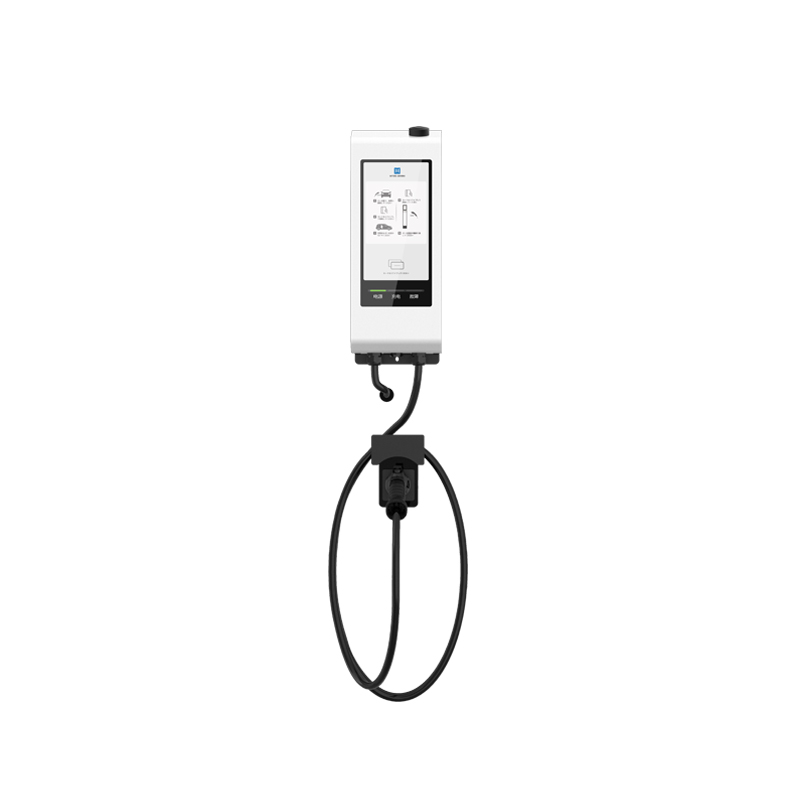
Golden rule one: design for replaceable subassemblies so repairs are fast and inexpensive. Golden rule two: instrument every unit with diagnostic telemetry to enable predictive maintenance. Golden rule three: treat firmware delivery as part of product quality — testing rollback and update windows prevents fleet regressions. These three metrics will show whether your factory improvements actually extend lifecycle rather than merely shifting failure modes.
INFORE ENVIRO sits naturally at the end of such a thought, offering hardware and lifecycle experience that maps directly onto the steps above — practical, measured, and quietly effective. —