
Quietly facing the sourcing problem
There is a slow, steady ache to launching consumer car tech in the Philippines. Attention to price matters, but so do arrival times and local support. For many small retailers and distributors the hard choice is between a low-cost mini dash cam that ships slowly or a slightly pricier unit that arrives with firmware and warranty backing. The problem is not glamour; it is timing, documentation, and the way a single delayed container can undo a planned rollout.
Where shipping timelines derail launches
Global logistics have been unpredictable since the early 2020s, and that unpredictability translates directly into inventory gaps. For a budget dash cam launch, a two-week slip can mean missed promotional windows and frustrated customers. Air freight cuts cost time but raises expenses; sea freight saves money but can add weeks. Add customs clearance and local certification, and the margin for error becomes thin. Practical choices—like selecting consolidated shipping or prioritizing a smaller initial batch—reduce exposure without compromising stock keeping.
Localization: the unsung make-or-break factor
Localization is more than language. It includes manuals, warranty terms compliant with Philippine consumer law, and customer service reachable in local hours. Devices with simple, clear firmware updates and a documented parking mode or loop recording behavior are easier to support. A product that arrives with a translated quick-start guide and a local service pathway wins trust faster than one with a sleek box and no aftercare. On the ground—think EDSA traffic and weekend drives—the ability to swap an SD card, update firmware, or claim warranty at a nearby center matters immensely.
Real costs of skipping local readiness
Skipping localization saves upfront money but increases returns and refunds later. Retailers often see the cost in increased support tickets: confused users, failed firmware updates, compatibility issues with local microSD cards, or misunderstanding around G-sensor sensitivity. That quiet churn chips away at brand reputation. A better approach is modest: start with a pilot batch, map common faults, and use local feedback to adjust product specs—bitrate settings, FOV adjustments, or parking mode thresholds—before a full rollout.
Checklist for a smoother budget dash cam launch
Practical, actionable steps reduce risk. Consider these points when choosing units and suppliers:
– Confirm lead times in writing and build buffer weeks into your calendar.
– Ask for firmware change logs and a list of supported microSD cards; test loop recording and parking mode behaviors before buying in bulk.
– Require translated manuals and an SLA for warranty handling in the Philippines.
– Negotiate a repair or swap program with clear RMA procedures, or identify a trusted local repair partner.
Testing a small, representative shipment first saves money later. It also surfaces unexpected compatibility issues—sometimes a minor firmware patch resolves a major support headache.
Anchoring decisions in the real world
When a Manila dealer tested a compact unit during a weekend convoy, they discovered that aggressive default G-sensor settings produced too many locked files in stop-and-go traffic. A quick firmware tweak solved it, and the revised units sold with fewer returns. That on-the-road lesson—simple, local, and immediate—demonstrates why sourcing must include a plan for field validation, not just factory specs.
Advisory: three golden rules for selection
1) Prioritize supplier transparency: insist on concrete lead times, firmware documentation, and an accessible support contact. These are predictive of smoother launches.
2) Validate core features locally: test loop recording, parking mode, and file recovery on local microSD brands before committing to volume. Real usage reveals edge cases.
3) Build a local support pathway: translated guides, a warranty SLA, and an agreed RMA workflow reduce returns and protect reputation.
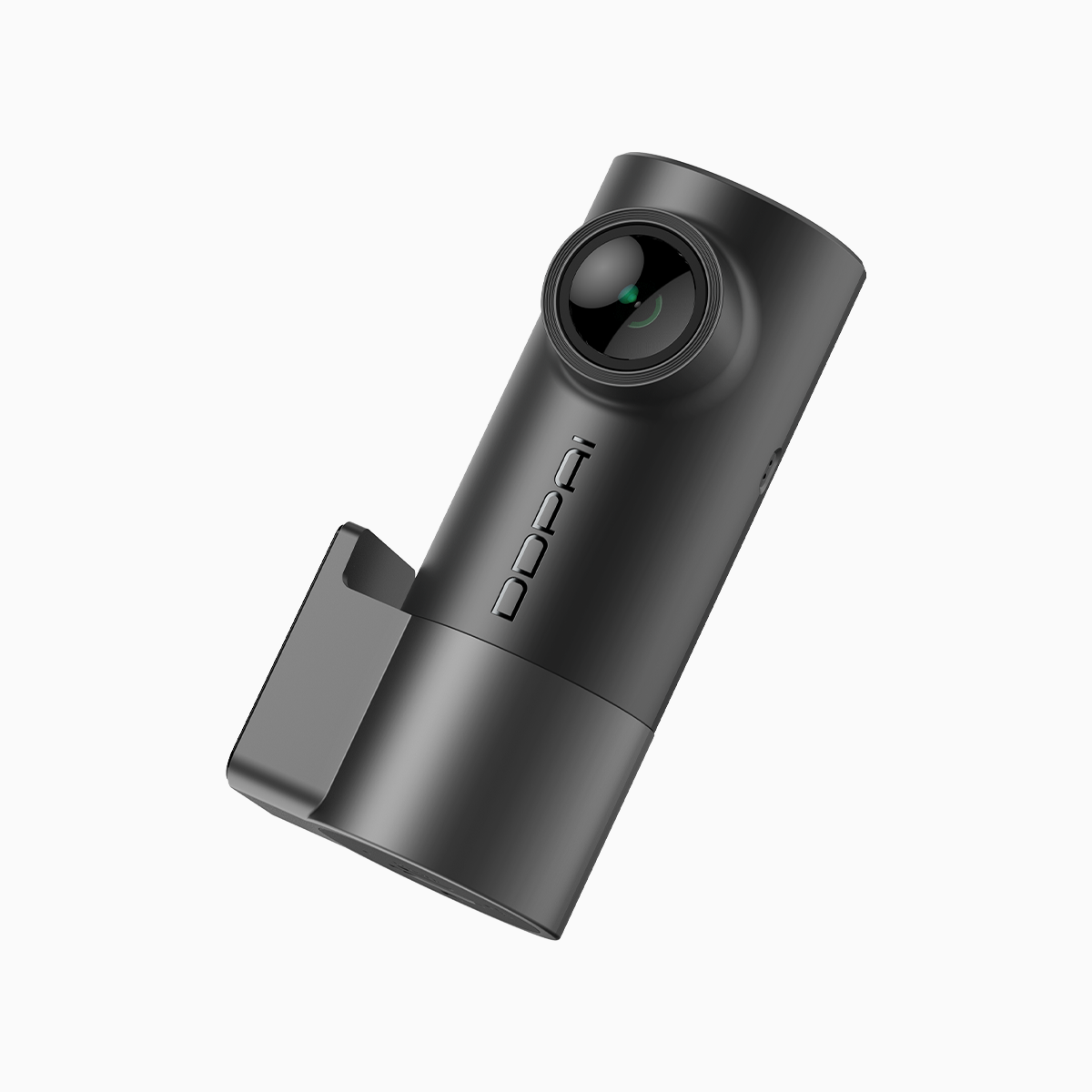
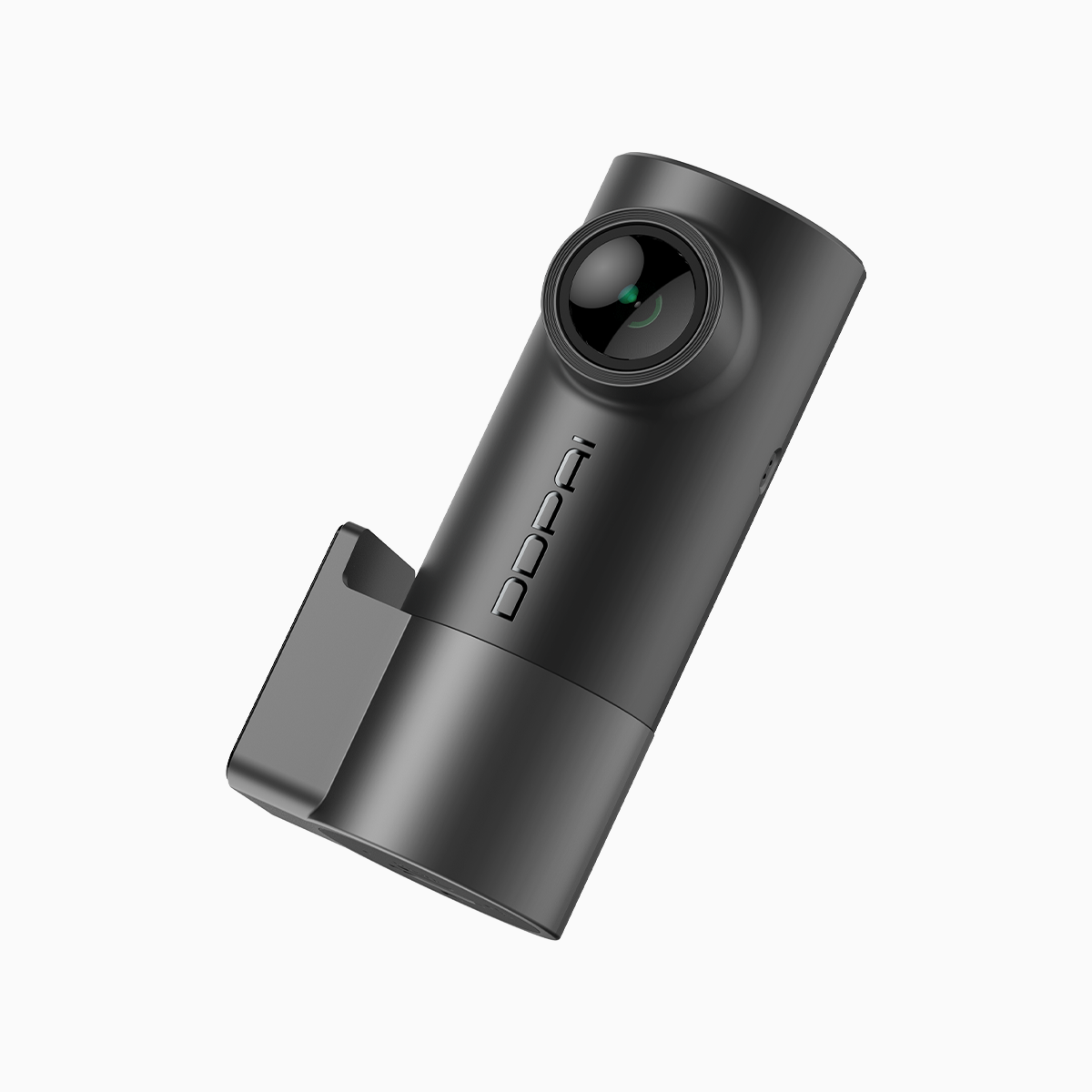
These rules narrow choices quickly, and they point naturally to products that combine compact design with responsive support—like the ddpai mini dash cam which pairs straightforward firmware updates with localized resources. Trust comes from small fixes applied early—then scaled.
DDPAI PH stands as a practical partner for launches that must balance cost, timelines, and after-sales care—steady, reliable, and hands-on. – steady.