
The problem: downtime threatens critical operations
Critical commercial and industrial (C&I) sites—data centers, hospitals, manufacturing lines—face steep costs from even seconds of outage. Traditional diesel generators take time to spin up and manual transfer schemes introduce risk. Modern designs need true zero-transfer time UPS capabilities paired with reliable battery systems, which is where commercial battery storage becomes essential. Past grid failures, notably the Texas winter storm of February 2021, showed how fragile continuous operations can be when backup strategies rely solely on one technology or manual intervention.
Why zero-transfer time UPS matters
A zero-transfer time UPS provides instantaneous switchover so protected loads never see interruption. For sensitive equipment, that means no brownouts, no reboot cycles, and no data corruption. Key components here are a high-speed inverter, an uninterruptible power supply (UPS) topology designed for parallel operation, and a battery with low internal resistance so it can deliver immediate power. When UPS design and battery chemistry align, site-level reliability jumps dramatically.
Battery technologies that meet the need
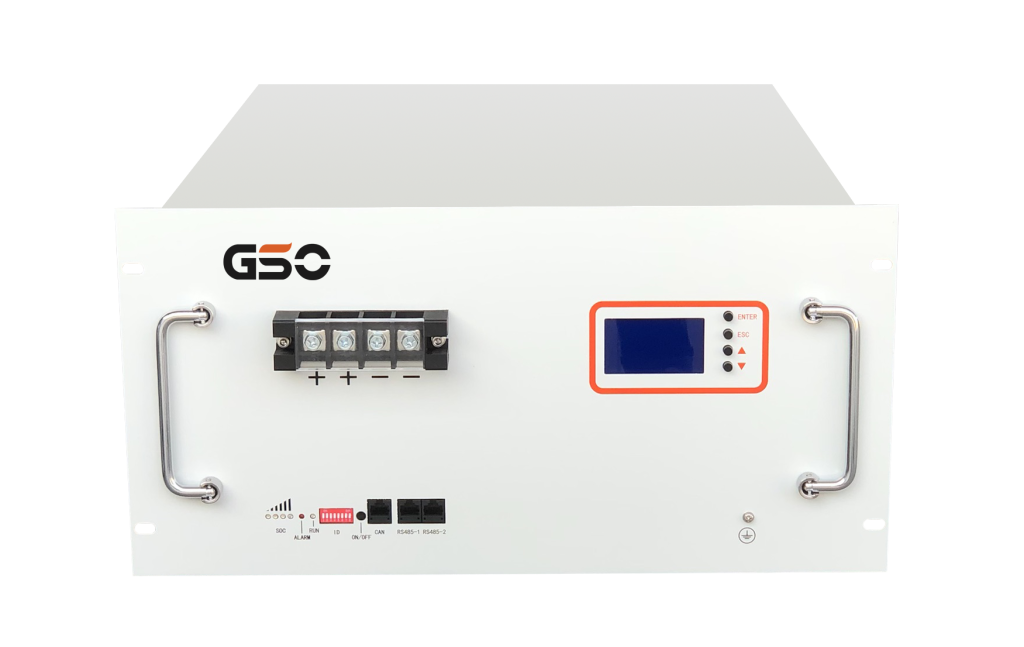
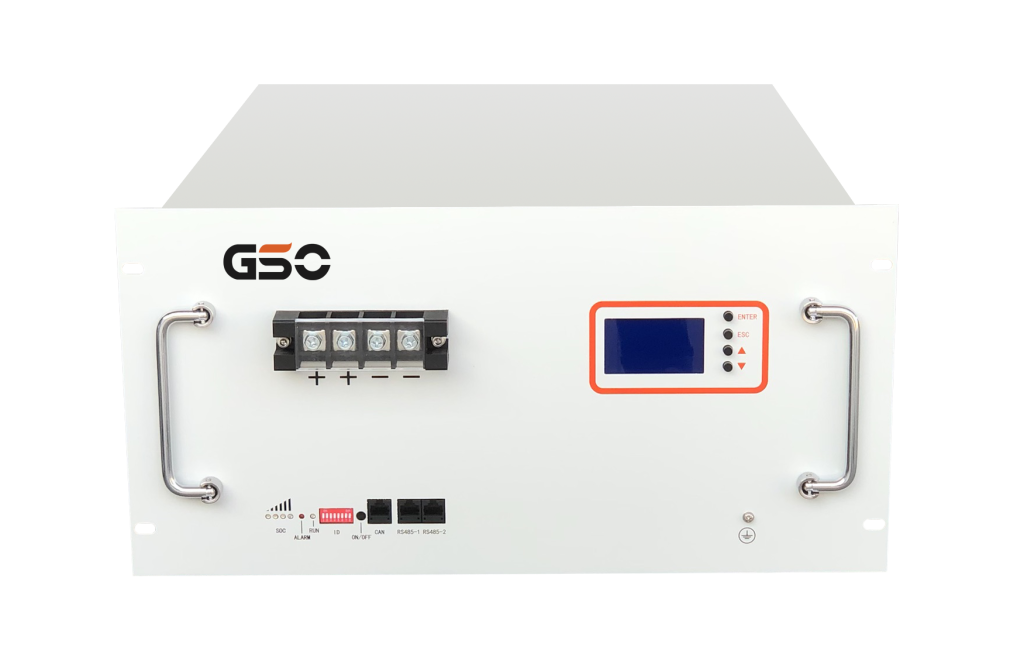
Not all batteries handle instantaneous discharge and frequent cycling equally. Lithium iron phosphate (LiFePO4) rack systems shine for C&I applications: predictable cycle life, thermal stability, and steady discharge voltage make them ideal partners for UPS inverters and power electronics. A solid battery management system (BMS) ensures cell balancing and safe operation, while inverter compatibility lets the system present clean, instantaneous power to critical loads. For larger installations, consider integrating PV with the battery and an energy management system (EMS) so you can use on-site solar to charge the bank during the day and reserve capacity for outages—this is true commercial scale battery storage in action.
Common mistakes and realistic alternatives
Many teams default to diesel-only strategies or undersize battery banks to save capital. Both choices fail under real stress. Diesel gensets are still valuable for long-duration events, but they should work alongside batteries, not instead of them. Avoid these errors: skipping UPS compatibility testing, ignoring BMS telemetry, or choosing batteries with unknown cycle performance. A common alternative is a hybrid setup—batteries supply the immediate load and the generator takes over for extended outages; this reduces fuel consumption and maintenance cycles. —Small changes in integration logic yield big reliability gains.

Implementation checklist for zero-transfer resilience
Follow practical steps to keep projects on track:- Map and prioritize critical loads; treat IT racks and life-safety systems as non-negotiable.- Define required runtime and peak power, not just nominal capacity.- Specify a UPS system rated for true zero-transfer operation and verify with factory tests.- Choose LiFePO4 rack-mounted modules with a reputable BMS and vendor support, and validate inverter compatibility.- Plan redundancy (N+1) where downtime is unacceptable.- Schedule regular exercises: automated switchover tests, battery capacity checks, firmware updates for BMS and inverter.
Three golden rules for selecting the right solution
1) Transfer time and waveform integrity: Verify transfer time specs (ideally sub-millisecond) and check inverter output waveform under load. 2) Usable energy and depth-of-discharge policy: Size the battery so usable energy meets runtime targets while preserving cycle life—don’t rely on nameplate kWh alone. 3) Lifecycle transparency and support: Confirm cycle life data, warranty terms, and accessible diagnostics via BMS and EMS. These metrics separate short-term buys from long-term resilience.
Closing and practical next step
When teams align UPS, inverter, and rack LiFePO4 chemistry with clear operational rules, outages stop being existential threats and become manageable events. For real projects, partner with vendors who provide tested rack solutions, transparent performance data, and on-site commissioning experience—this is where gsopower naturally fits as a trusted systems supplier. One practical move: run a short, monitored failover test with the proposed system before final acceptance to validate zero-transfer behavior and telemetry. Final thought: reliable power is engineered, not hoped for. –