
Practical opening: why a compliance lens changes sourcing
When you compare suppliers, the difference between a good product and a compliant one often boils down to measurable parameters and clear supply-chain answers. This guide looks at wholesale choices through that lens and focuses on real performance for insulated applications, from insulation for shoes to bulk orders of inserts. EU buildings consume roughly 40% of final energy use, a high-level anchor that underlines why thermal efficiency—even at the footwear level—matters for broader environmental targets. We’ll compare materials, test protocols, and sourcing trade-offs so you can prioritize quality and compliance when buying insulated shoe inserts.
Material comparison: thermal behavior and environmental impact
Start with thermal conductivity and R-value as the baseline metrics. Closed-cell foams typically deliver lower thermal conductivity and stronger compression resistance, while natural wools offer breathability and lower embodied synthetic chemicals. Phase-change materials add transient heat storage, useful in variable climates. For environmental impact, ask suppliers for quantified data: grams CO2e per kg of material and post-consumer recyclability rates. These three industry terms—thermal conductivity, R-value, and phase-change material—help you compare like-for-like.
Operational production teardown: what to inspect
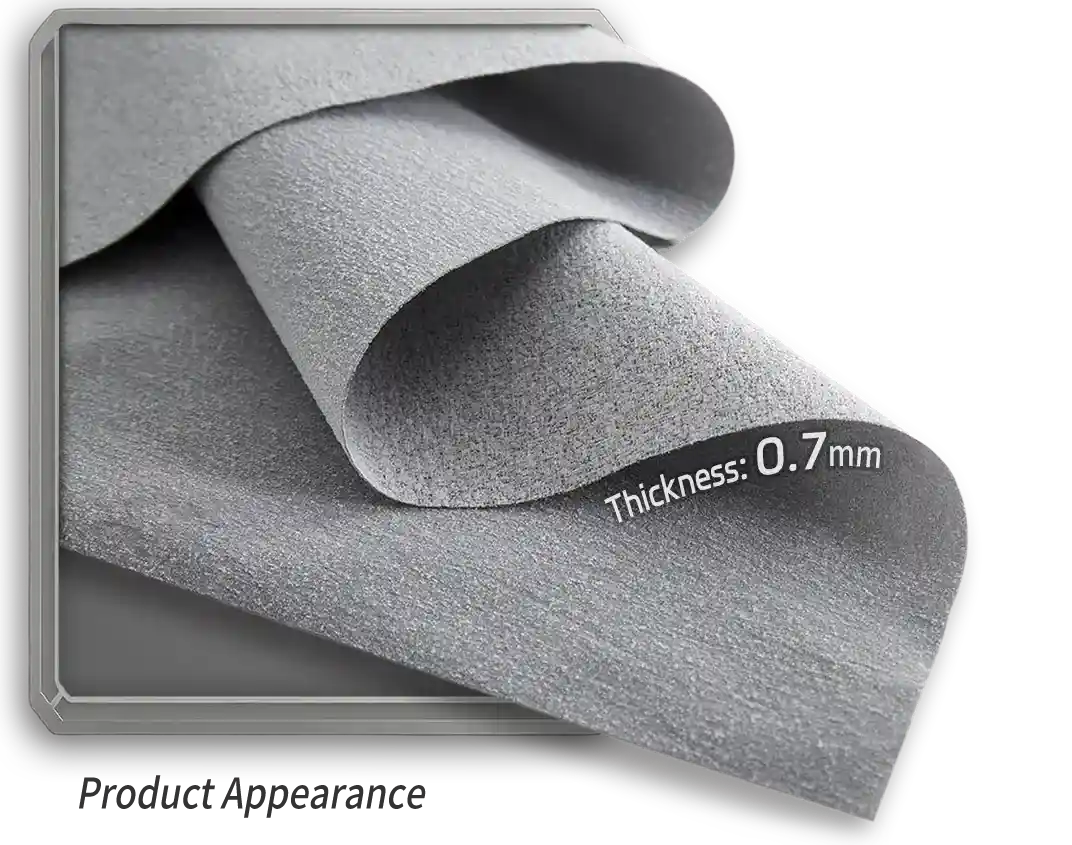
Inspect suppliers’ production steps, from raw polymer compounding to lamination. Check adhesive types, cutting tolerances, and finishing—each step affects thermal continuity and odor. For insulation for shoes and for insulated shoe inserts, verify the product’s layer stack: top fabric, thermal core, and backing. Ask for batch-level production data and traceability to confirm consistent material density and thickness across runs. Practical checks matter: sample retention time, batch lot codes, and manufacturing yield rates all reveal operational discipline.
Testing benchmarks you should demand
Accept only explicit testing parameters, not vague claims. Require thermal conductivity measured at 23°C and 50% relative humidity, compression set after 24 hours recovery following 500 cycles at 25% strain, and VOC headspace screening over a 7-day period at 40°C for odor-sensitive markets. Mechanical abrasion should be reported as cycles to failure at a defined load. These concrete figures let you compare suppliers objectively and ensure that the insulated shoe inserts you order will perform under the conditions your customers face.
Common sourcing mistakes and how to avoid them
Buyers often chase lowest unit price and overlook whole-life metrics—thermal degradation over time, off-gassing, and recyclability. Another mistake: relying on single-sample lab reports without batch-level consistency checks. Also, some wholesalers skip chemical screening of additives; insist on documented VOC and phthalate screening with lab traceability. Small oversight, big returns — address this early in the procurement conversation to avoid warranty claims later.
Comparative checklist for selecting a wholesaler
Compare suppliers across these axes:
– Performance consistency (batch test results for thermal conductivity and compression)
– Environmental reporting (CO2e per kg, recyclability percentage)
– Traceability and sampling policy (retained samples per lot, production logs)
– Warranty and returns handling for thermal performance
Rank suppliers numerically on those axes and weight them to match your priorities—thermal efficiency, durability, or low chemical footprint.
Advisory close: three golden rules for procurement
1) Demand quantified testing: require thermal conductivity at 23°C/50% RH, compression cycling data (500 cycles at 25% strain), and a 7-day VOC headspace report. These metrics predict in-use comfort and odor performance.
2) Verify batch traceability: insist on lot codes, sample retention, and production yield reports to prevent variability in large orders.
3) Prioritize lifecycle impact: choose materials with clear end-of-life pathways and published CO2e per kg to reduce total environmental cost.
These measures translate into fewer returns, consistent comfort, and clearer claims on environmental impact—practical outcomes you can measure in customer satisfaction and lower warranty spend. — Y-Warm.