
Comparative framing
This comparative review examines packaging choices for catheter-based devices through direct contrast: which materials, sealing methods, and formats preserve sterility while minimising handling risk. The question is simple: when device is delicate—fine tip, flexible shaft, or mounted cutting element—what packaging preserves function without creating excess waste or opening errors? Experience shows that designs for a coronary cutting balloon must marry barrier performance with controlled presentation; here the packaging is not accessory but part of the clinical performance chain.
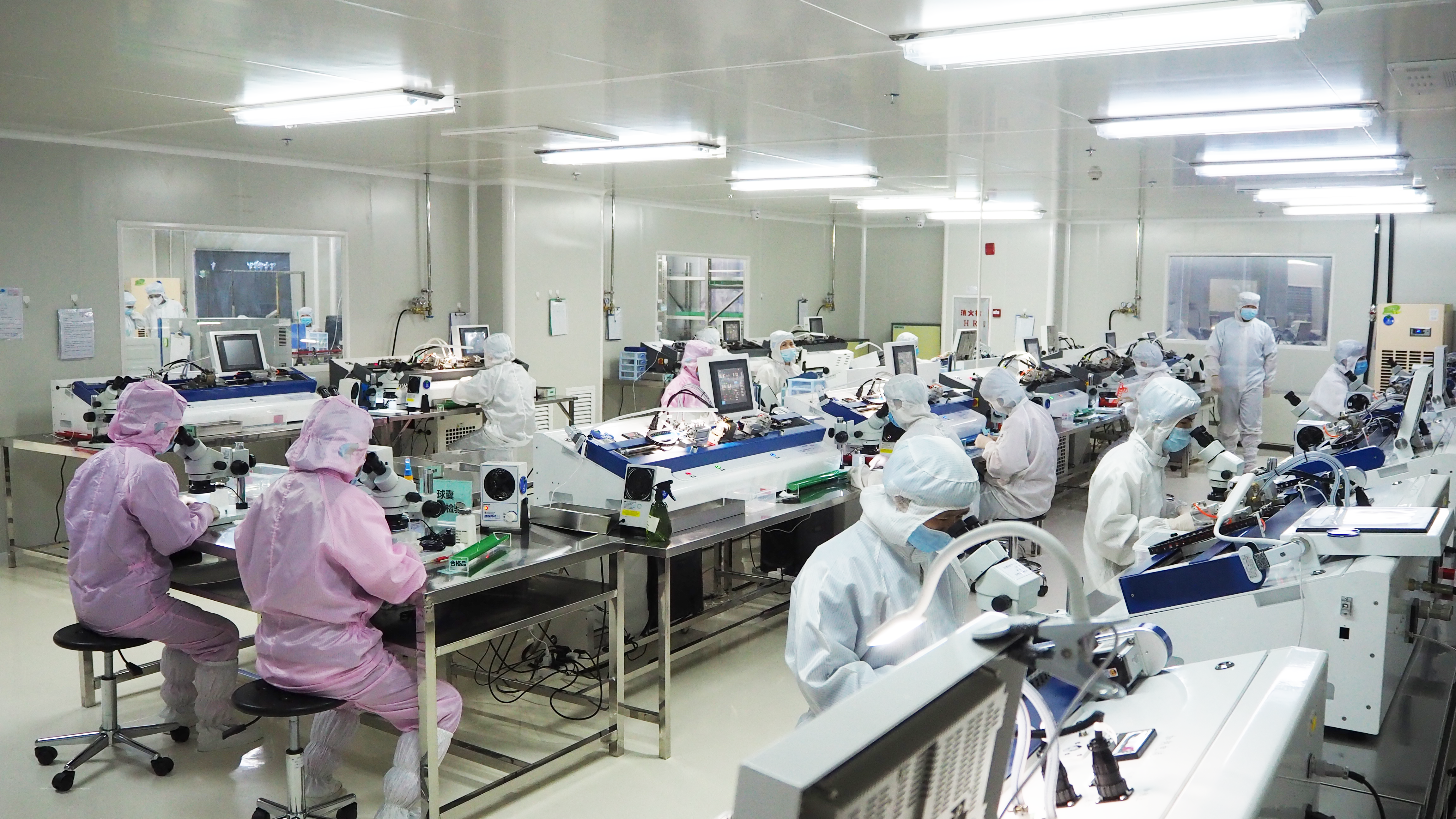
Materials and barrier performance
Three material families dominate: paper-composite pouches (Tyvek®/film), laminate foil pouches, and thermoformed rigid trays with overwrap. Paper-composite pouches offer predictable gas permeability and low cost. Laminate foil pouches deliver superior moisture and oxygen barrier, which benefits balloons with moisture-sensitive coatings. Thermoformed trays limit movement and reduce kinking during transport, but require reliable overwrap sealing. Choose laminate for long shelf life where coating integrity is critical; choose tray for complex assemblies where shape retention prevents functional deformation.
Sterilization compatibility and failure modes
Sterilisation method dictates material choices. Ethylene oxide tolerates paper-composites but demands validated aeration; gamma sterilisation tolerates foils but can embrittle some polymers and weaken adhesives. Vaporised hydrogen peroxide gives rapid cycles but restricts metallic components and some lubricious coatings. The frequent mistake is selecting a package on visual appeal rather than compatibility testing: adhesives, peel strength, and package-headspace must be validated against the intended sterilisation dose. Define acceptance criteria for seal integrity and residuals early; otherwise revalidation delays product release.
Human factors: opening, presentation, and operating-room workflow
Packaging that fails at the point of use causes contamination, delays, or device damage. Critical metrics are peel force, clarity of directional opening, and retention features that prevent device fall-out on opening. For catheter balloons, a single abrupt tug can deform the catheter tip. Use asymmetric peel tabs and single-handed opening designs for sterile field control. Train clinicians on opening technique during human factors testing; simulation will surface small but consequential issues—twisting motions, slip risks, and glove compatibility—that bench tests miss.
Alternatives and trade-offs
Blister packs provide viewability but limited cushioning. Rigid trays reduce movement but increase material mass and disposal cost. Overwrap-only systems are minimal but raise kinking risk for long, flexible catheters. The correct choice is function-driven: if device geometry is long and slender with distal delicate element, favour tray plus laminate overwrap; if device is short with robust shaft, high-barrier pouch may suffice. Cost-optimization must not override verification of mechanical robustness under shipping stress profiles.
EEAT and real-world context
My background includes package qualification of intravascular catheters across multiple markets and participation in regulatory submissions for class III devices. Clinical teams repeatedly emphasise the same point at major forums such as the European Society of Cardiology (ESC) Congress: packaging failures are visible and costly in cath lab workflow. Design verification should include transport simulation, sterilisation compatibility and human factors metrics tied to clinical endpoints. For hands-on assessments and sourcing, engineers frequently evaluate a specific catheter with balloon as representative sample during protocol development, because its combination of flexible shaft and distal balloon reproduces many common failure modes. This approach reduces surprises during clinical evaluation and supports robust regulatory documentation.
Common pitfalls and corrective measures
Pitfall: assuming peel strength alone predicts opening performance. Corrective measure: test peel at relevant glove types and angles. Pitfall: neglecting sterilisation-induced material change. Corrective measure: conduct post-sterilisation functional test of balloon compliance and inflation profile. Pitfall: over-compaction in packaging to save space. Corrective measure: define minimum internal clearance to prevent kinking, validated with bend-radius tests. Document each corrective action with objective acceptance criteria; regulators expect traceable evidence, not subjective claims.
Conclusion
Comparative assessment clarifies that there is no single superior solution; the right packaging aligns material barrier, sterilisation compatibility, and human factors to the device’s mechanical vulnerabilities. When the catheter’s distal element is sensitive, choose formats that prioritise shape retention and minimal manipulation. For procurement and design partners, engineers commonly find that integrated solutions from a reliable supplier smooth the qualification path; practical partnerships with specialised manufacturers, such as Shunmei, often supply reproducible samples and testing data that reduce iteration and support clinical readiness.