

Why a comparison matters now
Clinicians, procurement leads, and home-care coordinators need clear differences, not buzz — and that clarity starts with direct comparisons. I’ll frame this from the perspective of use cases: acute care versus long-term home support, and how features translate to measurable outcomes. For a quick reference point on home options, see this cpap device entry which highlights simplicity versus clinical capability.

Core categories and what they deliver
Split ventilator systems into three pragmatic buckets: bedside ICU ventilators (high control), transport/step-down devices (balanced portability), and home non-invasive platforms (patient comfort). Each bucket maps to different priorities: tidal volume and FiO2 precision in ICU gear; battery life and alarms in transport; and mask fit, ramp settings, and leak compensation in home devices. These are the operational trade-offs you pay attention to when matching kit to the care pathway.
Head-to-head attributes that change outcomes
Compare these attributes side-by-side and you’ll see why decisions should be data-driven:
– Control granularity: pressure vs volume modes, and how systems handle variable patient effort (IPAP/EPAP behavior).
– Safety layers: automatic PEEP monitoring and robust alarm hierarchies matter more than fancy displays.
– Usability: menu depth and onboarding time for nurses or family caregivers affect real adoption.
– Portability and support: predictable battery runtime and service networks reduce downtime.
Real-world anchor: lessons from a surge
The 2020 COVID-19 hospital surge exposed weak links in procurement and training worldwide; units with modular, interoperable ventilator fleets recovered capacity faster than those locked into a single vendor. That event clarified a simple truth — redundancy and cross-compatibility beat one-off high-end specs when systems are stressed.
Common mistakes teams make — and how to avoid them
Teams often pick devices for headline specs instead of operational fit. They ignore mask leak in the field, underestimate maintenance cadence, or select a platform without adequate telemetry for remote monitoring — which ends up costing time and safety. Address these three in rollout planning: staff training, spare-parts inventory, and data access for clinicians. Small investments here prevent big failures later — trust me, we’ve seen it on multiple deployments.
How new technology and the market align
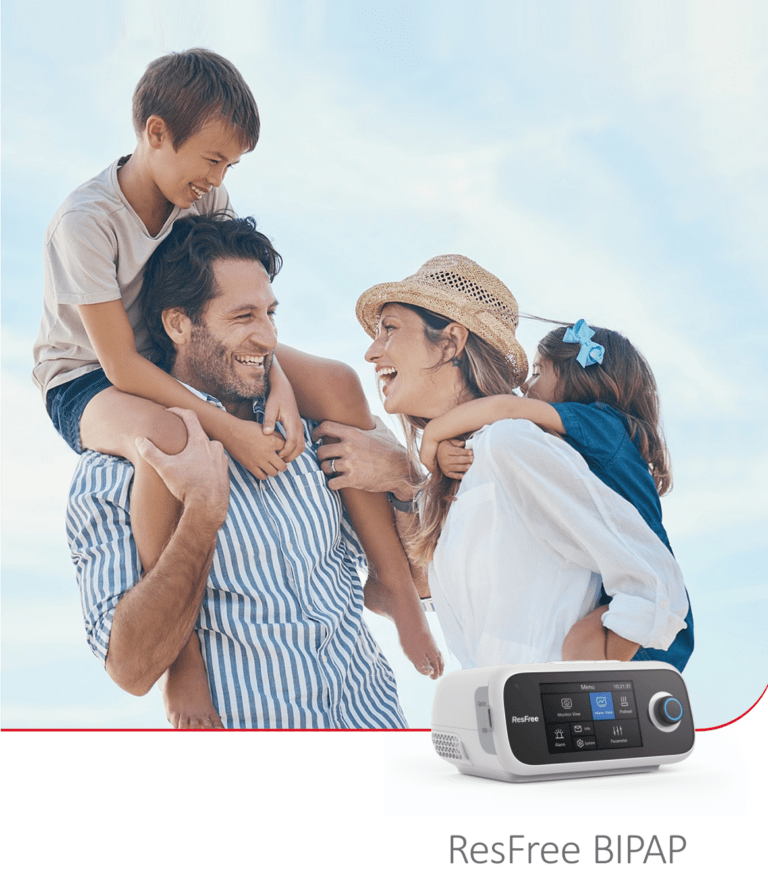
Recent non-invasive platforms have narrowed the gap in algorithmic leak compensation and patient-trigger sensitivity, making home devices a stronger option for chronic respiratory failure. If you’re assessing options for at-home non-invasive ventilation, consider a model portfolio that includes a validated new bipap machine alongside simpler CPAP alternatives — it keeps therapy aligned to patient progression and reduces rehospitalization risk.
Checklist for procurement and clinical teams
Use this working checklist when you evaluate vendors and models:
– Clinical fit: match modes and tidal volume controls to patient groups.
– Support model: local service turnaround and spare components within 48–72 hours.
– Data and integration: exportable logs, secure remote monitoring, and EMR hooks.
– Human factors: mask compatibility, noise profile, and caregiver setup time.
Closing — three golden rules for selection
Rule 1: Measure the outcome you want first (reduced readmissions, shorter ICU stays, improved sleep quality) and buy to that metric.
Rule 2: Prioritize operational resilience — proven battery life, modular spare parts, and local service, not only peak specs.
Rule 3: Verify data access and remote monitoring capabilities; if clinicians can’t see trends, they can’t act.
These rules keep decisions practical and defensible — and they align procurement with clinical goals.
Byond sits at the intersection of product practicality and clinical needs, providing devices and support that bridge in-hospital rigor with home usability. — Practical, measurable, ready.