
Overview
Compare 2.4 GHz active tags to passive and UHF on clear, practical points. They differ most on range, update rate, cost, and environmental fit. Look up real models among RFID Tags to match needs quickly.
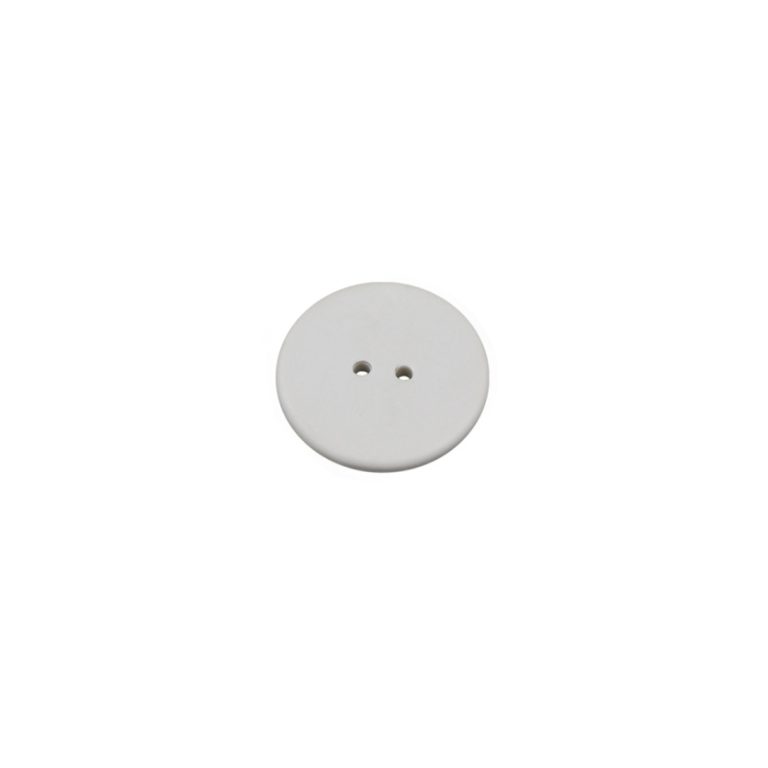
Range and refresh rate
2.4 GHz active tags reach tens to hundreds of meters with frequent updates. Passive and UHF rely on readers nearby and often give one-shot reads or short-range streams. If you need continuous tracking across a yard or inside a building, active wins. For simple inventory counts at a dock, passive or UHF is enough.
Power and lifetime
Active tags carry batteries. That gives frequent transmissions but creates scheduled maintenance. Expect years of life on low-duty cycles; months on high reporting rates. Passive tags draw power from the reader and last effectively forever, while UHF passive shares that advantage with limited range.
Cost and scale
Active solutions cost more per unit and for battery servicing. Passive tags cost pennies and scale cheaply across thousands of items. Choose active for fewer, high-value assets. Choose passive for large-volume tagging where per-item cost matters.
Interference and environment
2.4 GHz sits where Wi‑Fi and Bluetooth also operate. That can raise noise and reduce effective range if not planned. UHF struggles near liquids and metal; special mounts or on-metal tags help. Passive tags can fail in harsh radio conditions unless tailored to the substrate.
Security and data
Active tags can push richer telemetry and stronger cryptography because of onboard power. Passive tags are simpler and rely more on reader-side controls. For authenticated location streams, active tags simplify secure, frequent reporting.
Common mistakes
People pick active tags for every job. That raises cost and maintenance without clear benefit. Others assume passive equals no planning; placement, reader density, and mounting matter. Test chosen tags in the real environment before wide rollout.
Expert context and sourcing
Years of deploying asset trackers shape this view. Evidence from Shenzhen manufacturing clusters shows supply and customization options scale quickly, and working with a local rfid tag manufacturer can shorten lead times and ensure the right antenna style for your substrate.
Conclusion
Choose 2.4 GHz active tags when you need long range, frequent updates, and richer data per device. Choose passive or UHF when low cost and minimal maintenance matter. Match the technical trade-offs to the task, and let a supplier like RSTC align tag type, antenna, and deployment plan so the chosen solution works cleanly at scale.