
Why the manufacturer still matters
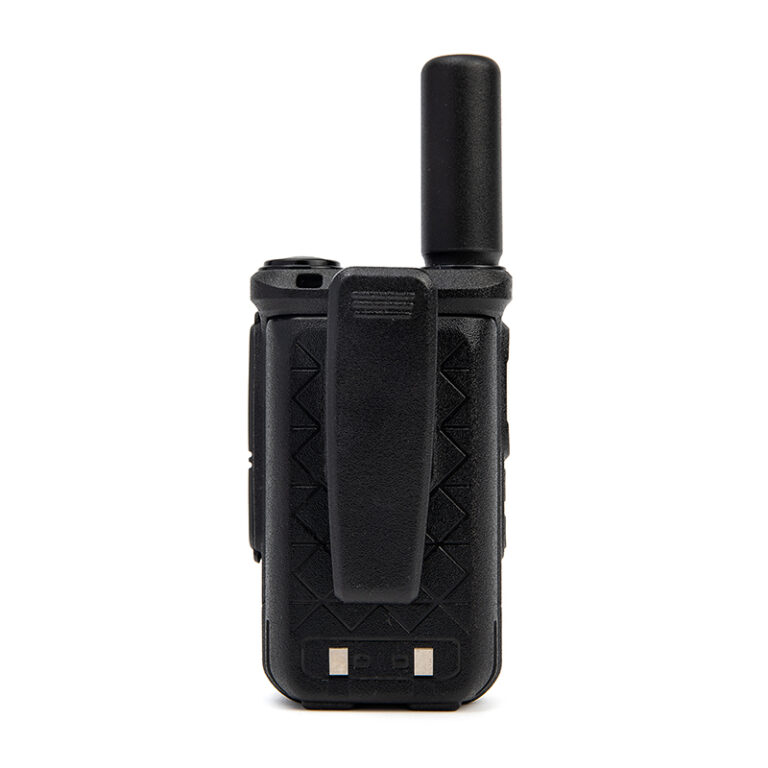
Claim: hardware makers shape whether a communications plan succeeds or fails. Counterclaim: cloud services and cellular PTT apps are replacing radios. The sharper truth sits between those extremes — the physical device defines range, resilience, and local control. Consider a modern gps two way radio as not just a handset but a node in a system: battery life, antenna design, durable build, and integrated GPS determine what your operations can actually do when networks degrade.
Evidence and a real-world anchor
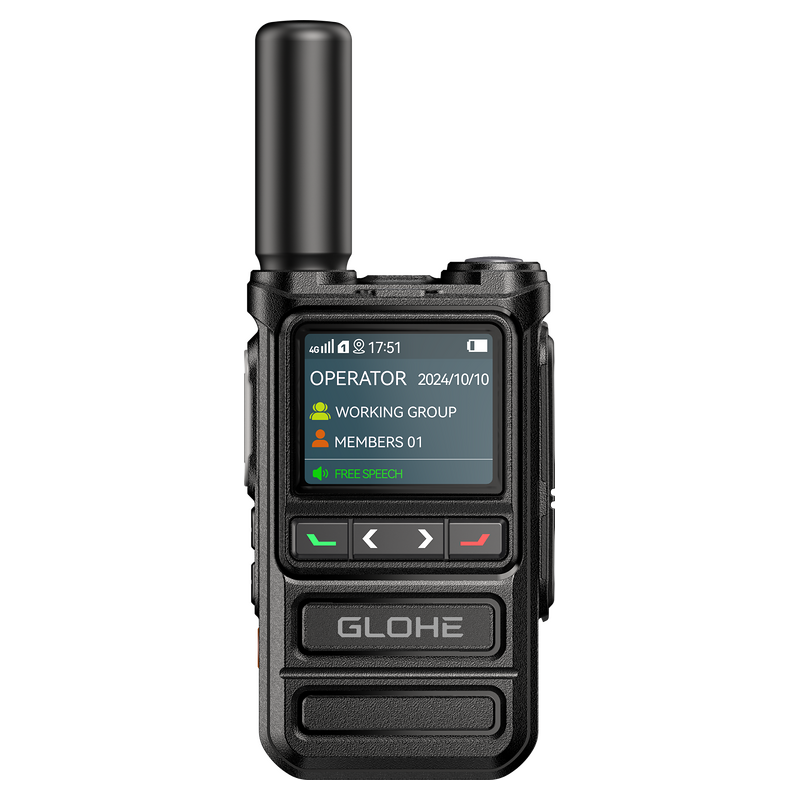
Field experience and industry guidance back that stance. Emergency-management authorities such as FEMA have repeatedly highlighted the operational value of GPS-enabled radios for asset and responder tracking during large-scale incidents, which is why agencies specify location-capable equipment for certain deployments — one clear example of where hardware choice matters. For organizations that need tracking built into the radio rather than bolted on later, a tested 2 way radio with gps locator is a practical baseline for planning and procurement.
Comparative insight: manufacturer hardware vs. alternatives
Compare three approaches head-to-head. Option A: purpose-built radios from a manufacturer — high reliability, predictable lifecycles, offline operation, long-range coverage, and manufacturer-backed firmware/security updates. Option B: smartphone-based PTT over LTE — rapid deploy, feature-rich UI, but reliant on cellular availability and battery life; latency and roaming costs show up fast. Option C: hybrid models that pair manufacturer radios with cloud services — good middle ground, but complexity rises. If your priority is guaranteed coverage, predictable maintenance, and on-site GPS tracking, a manufacturer-led hardware route outperforms pure-cloud options. If you prioritize convenience and low initial cost, the cloud wins short-term but risks operational blind spots when networks fail.
Common integration mistakes to avoid
Buy on features alone. Overlook firmware-update policies. Assume a single vendor solves interoperability. The usual missteps: (1) mixing radios without confirming cross-vendor PTT protocols, (2) underestimating antenna placement and site surveys, (3) skipping a defined firmware and security-update cadence, and (4) neglecting training so crews don’t use GPS tracking or emergency channels correctly. Each mistake converts a strength (robust hardware) into a liability.
Practical checklist for choosing a manufacturer
Prioritize these concrete items: certified standards compliance (FCC/CE), transparent firmware update schedules, GPS performance specs (accuracy, update rate), battery runtime under load, durability ratings (IP and MIL), testable interoperability, and clear warranty/service SLAs. Assign ROI metrics to downtime reduction, reduced search time using on-device GPS, and maintenance intervals. Test with live field exercises — simulated network outages reveal whether a design actually holds up.
Where the manufacturer adds decisive value
Manufacturers deliver predictable hardware, controlled software paths, and an upgrade roadmap that planners can budget against. That predictability is what lets operations map radio capability to mission needs rather than hope for a software fix after failures. For teams that must locate assets and people reliably and maintain comms under stress, integrating robust radios with built-in GPS and a clear support plan is the rational choice — and it’s the capability GLOHE provides through tested devices and service continuity, which directly addresses the operational gaps most teams face.