
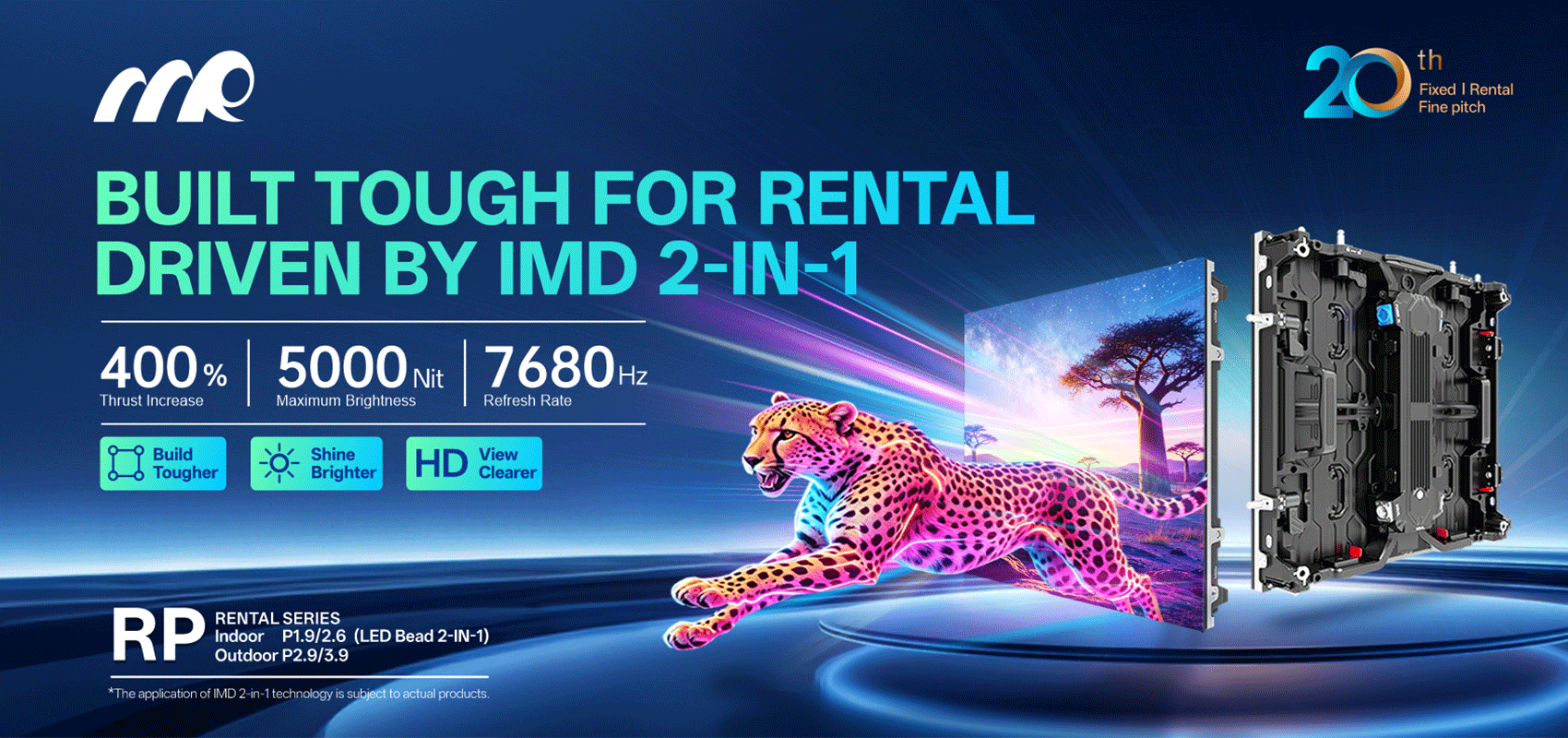
Comparative insight — quick look at two school approaches
When rental teams decide between a cushioned perimeter and a rigid bezel for big LED screens, the choice shapes logistics, durability, and spectator safety. This piece compares the engineering trade-offs so you can pick what suits your event needs. For compact venues that still need crisp visuals, a small led screen with robust cushioning changes the risk profile substantially.
Why soft-rubber top cushioning matters in perimeter LED rentals
Perimeter LED displays sit where people, balls, and equipment meet the screen. Soft-rubber top cushioning absorbs low-to-medium impacts that would otherwise stress cabinet corners and cabinet seams. That reduces repeat maintenance, lowers repair costs, and keeps pixel integrity intact—especially important when pixel pitch and refresh rate are key to image fidelity. A well-designed soft top also cuts the chance of injury from sharp edges, which clients notice.
Hard frame vs. soft top — side-by-side
Compare the two approaches on concrete criteria: weight, repairability, audience safety, and installation speed. Soft-rubber tops usually weigh slightly more but save time on field repairs. Rigid frames are lighter and sometimes cheaper to manufacture, yet they transfer shock into the cabinet joints.
Pros of soft-rubber tops:
- Impact damping that protects the LED modules and connectors.
- Lower cosmetic damage after knocks, which preserves resale value.
- Better for mixed-use venues where players or equipment might hit the screen.
Pros of rigid frames:
- Lower initial weight and simpler thermal paths for passive cooling.
- Easier to stack or lock for compact transport in some rigs.
The real choice depends on event type and handling practices—stadium fixtures behave differently from indoor rental gigs. — A small flexibility in design can save hours on site.
Operational factors rental companies must not ignore
Think in terms of setup cadence and failure modes. Modular panel design speeds swaps when a single cabinet fails. IP rating matters when the display is used outdoors; water ingress after an impact is a common hidden failure. Keep these checks in your routine:
- Test cabinet seals after any impact; a ding can break an IP barrier.
- Monitor refresh rate and thermal behavior; cushioning can alter air gaps and cooling performance.
- Train crew on safe stowage—soft tops tolerate knocks, but repeated compression still deforms them.
Real-world anchor: why the stakes are visible on big stages
Large events—think the LED-lined perimeters at FIFA World Cup matches or the towering displays around Times Square—show how perimeter tech must survive both spectacle and accidents. Outdoor installations face wind load and spectator interaction; that’s why many operators prefer designs with resilient edges. For large-scale outside work, consider integrated weather seals and tested impact mechanics that match the outdoor environment where an outdoor led screen must keep running for long hours.
Common mistakes and workable alternatives
Operators often under-spec the edge treatment, assuming a hard frame is “tougher” — but that can translate to higher repair frequency. Alternatives include removable protective skirts, reinforced corner modules, or hybrid designs that use a soft top with a reinforced internal rib for structural strength. Each alternative trades complexity against longevity and repair time.
Advisory — three critical metrics to choose the right perimeter LED solution
1) Impact energy tolerance: specify the joules a top cushion must absorb without deforming the cabinet or breaking module seams. This gives a measurable target for material selection.
2) IP and ingress resilience after impact: require post-impact IP checks in vendor specs so water or dust won’t become a delayed failure mode.
3) Serviceability score: measure mean time to repair for a damaged cabinet in a rental scenario. If on-site swaps take longer than your turnaround window, the cheapest option becomes the most costly.
Soft-rubber cushioning and thoughtful impact mechanics are practical levers. They reduce downtime, protect pixel pitch integrity, and make life easier for crews. For a partner that understands those trade-offs and designs for rental realities, MR LED fits naturally into the conversation — steady solutions, practical experience, and parts that mean fewer surprises on the job. —