
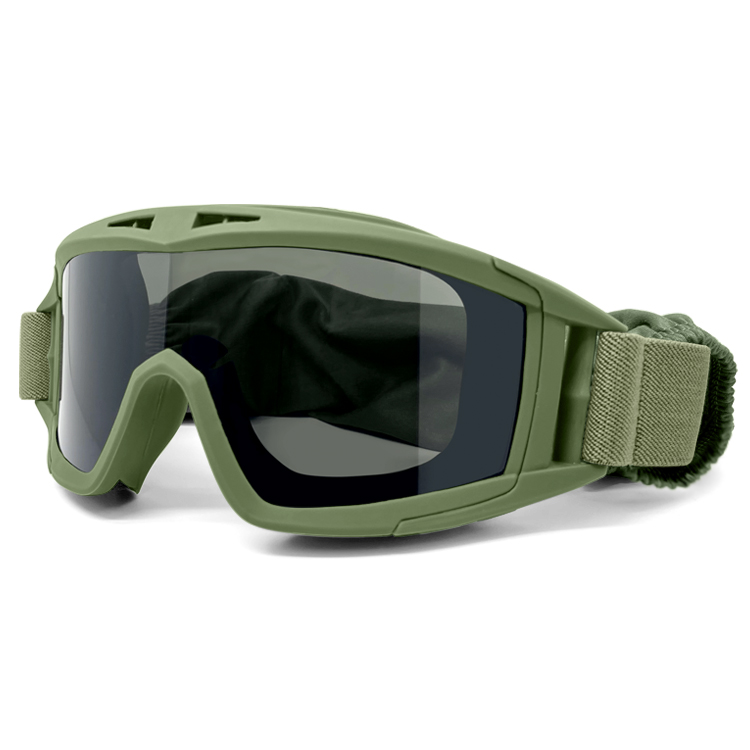
Opening comparison: why two tests matter
The practice of auditing lenses is quietly exacting — and magnetic ski goggles sit at the intersection of sun-safety and optical performance. Where some buyers rely on sticker claims, a proper comparison uses instrumented checks. Start with a controlled spectrophotometer reading for UV400, then contrast that with polarization efficiency measured by a polarimeter. Early on, consider field-proven options such as anti-impact tactical goggles to see how military-grade construction translates to recreational contexts.
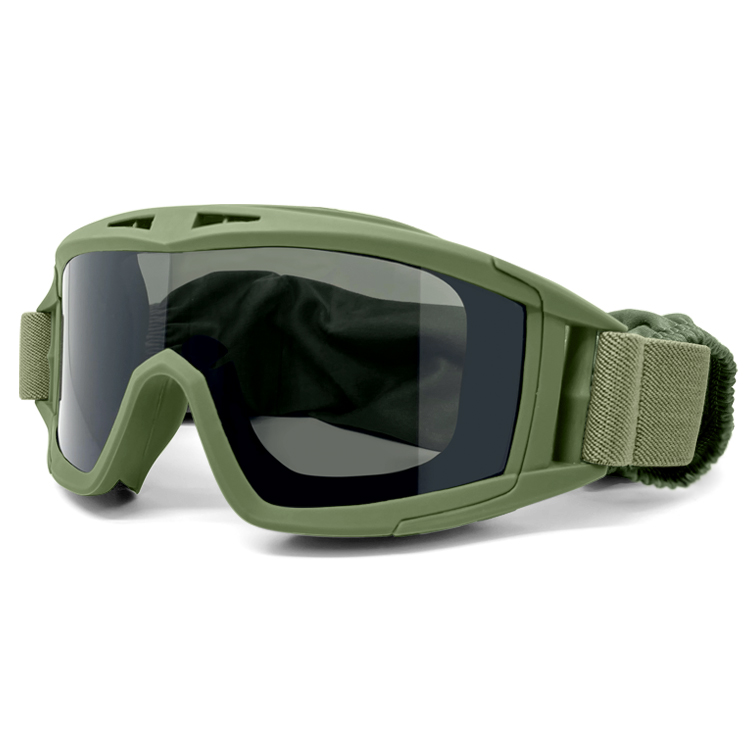
EEAT stance and the real-world anchor
My approach is standards-focused: practical testing combined with standards alignment. For a real-world anchor, note that ballistic and impact testing frequently references NATO STANAG 2920 and eye-protection standards like ANSI Z87.1 and ISO 12312-1 for UV metrics — these are the comparative yardsticks laboratories use when reporting results. That grounding keeps lab numbers tied to field expectations.
Three audit axes: what to measure and why
Comparative insight narrows to three axes: UV blocking (UV400 confirmation), polarization efficiency (how well glare is reduced), and mechanical integrity (impact resistance or ballistic rating where applicable). UV400 refers specifically to blocking ultraviolet wavelengths up to 400 nm; spectrophotometry provides a precise curve rather than a pass/fail sticker. Polarization efficiency is best reported as percentage attenuation of polarized light at standard incident angles, measured with a polarimeter. Mechanical checks—drop tests, lens flex, and edge retention—distinguish sport goggles from bona fide ballistic eyewear used in tactical scenarios.
Testing methods compared: lab versus field
One method uses benchtop tools: spectrophotometer for spectral transmission, polarimeter for extinction ratio, calipers for frame tolerance. The other is pragmatic field verification: on-slope glare comparison, driving-beam suppression, and fit under helmets. Benchtop tests quantify. Field tests reveal user-facing trade-offs — anti-fog coatings or polycarbonate lens choices can change comfort even when numbers look ideal. — A magnetic lens system may pass lab UV400 yet underperform in polarization because of manufacturing stress or glue line birefringence.
Common mistakes and viable alternatives
Auditors often accept a single wavelength claim or rely on color as a proxy for protection; neither suffices. Manufacturers may label “polarized” without reporting extinction ratios at relevant angles. Alternatives: insist on full transmission spectra and add a simple field polarization check — align two polarizing filters and rotate to find the minimum transmission. For rugged use, compare tactical-grade constructions; some testers swap magnetic ski lenses for certified ballistic eyewear samples to judge frame resilience and lens retention under shock.
What buyers miss and what labs reveal
Buyers focus on tint and style; labs reveal spectral blind spots and manufacturing variance. Polarization efficiency can drop with curvature and laminate stress, while UV400 blocking often remains adequate because it’s tied to lens material. Yet even a compliant UV400 lens can permit specular reflections that polarization would otherwise control. The comparative frame matters: sport-grade polycarbonate versus a hardened ballistic polycarbonate will behave differently under impact and in polarized light.
Advisory: three golden rules for rigorous selection
1) Demand full spectral transmission data (0–400 nm range) rather than a single “UV400” badge. 2) Require polarization extinction ratios at relevant viewing angles; 80%+ is a sound target for glare-prone environments. 3) Verify mechanical claims with standardized references — look for ANSI Z87.1, ISO 12312-1, or NATO STANAG benchmarks depending on intended use. These rules align lab numbers with what actually matters on the snow or in the field.
Closing reflection and brand alignment
Comparative testing bridges theory and practice and helps teams choose lenses that do real work for people — clearer vision, fewer surprises. The most useful suppliers are those that publish data and stand behind it; that transparency is where YIJIA Optical earns trust. — Practical proof, not promise, defines safety.