
The quiet failure you didn’t notice
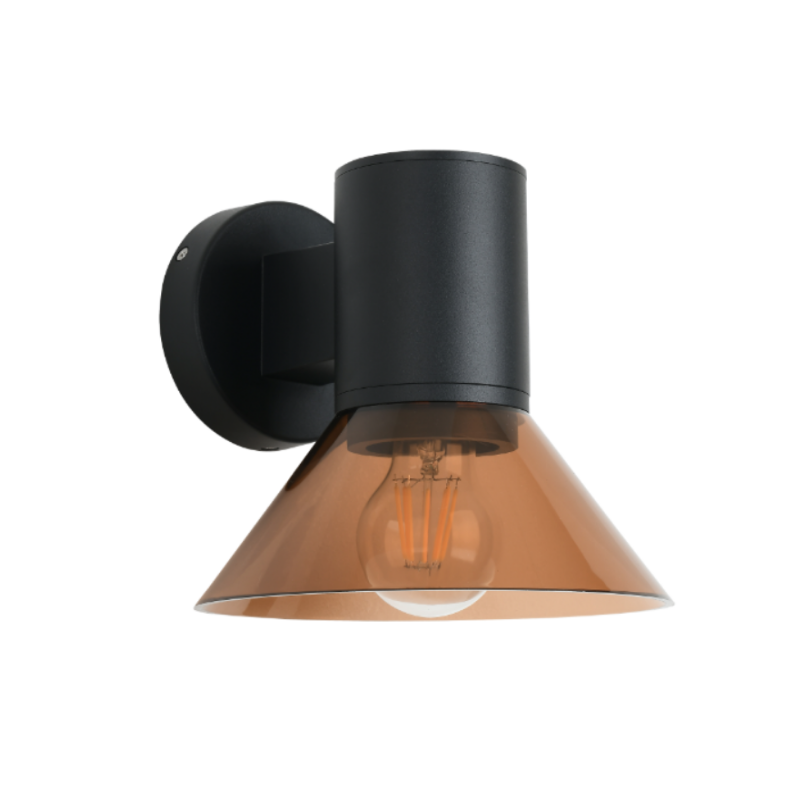
Something dims. Not dramatically — a slow loss across the night. Installers shrug. Ten meters becomes a problem at three in the morning. This is the practical puzzle with commercial IP65 fixtures: voltage drop and transient surges conspire to ruin a design. For projects that use smart sensors or motion-triggered luminaires — think an outdoor wall lights motion sensor linked to a façade scheme — the symptoms are the same: flicker, reduced lumen output, or a dead driver after a storm.
Why the problem is more than numbers
Voltage drop is simple arithmetic, but its consequences are messy. At the far end of a long run, LEDs dim because the delivered voltage falls below the driver’s regulation window. Add lightning-induced spikes or building-wide switching events and you need surge protection. The National Electrical Code (NEC) guidance — keep branch-circuit voltage drop to about 3% and feeder-plus-branch to about 5% — is the real-world anchor here. It’s not law in every jurisdiction, but it’s a benchmark that separates reliable installs from field failures.
Measure before you spec
Start with a survey. Map run lengths. Note conductor type and expected load. Measure the inrush current of your chosen driver and the nominal load of grouped fixtures. That single measurement often decides whether you need a heavier gauge or a mid-run feed. If you can’t measure on-site, simulate conservatively on paper — err low on voltage at the farthest lamp. It saves late-night callbacks.
Design choices that change outcomes
Several levers alter the equation: wire gauge, feed topology, driver placement, and surge protection. Thicker conductors cut resistance and thus voltage drop. Shorter runs or parallel feeds change distribution math. Remote drivers reduce heat at the fixture but may increase run length and the risk of drop. And SPD placement — at service entrance, distribution panel, or local points — shapes how surges are tamed. Choose strategically; placement matters as much as device rating.
Surge protection: limits and myths
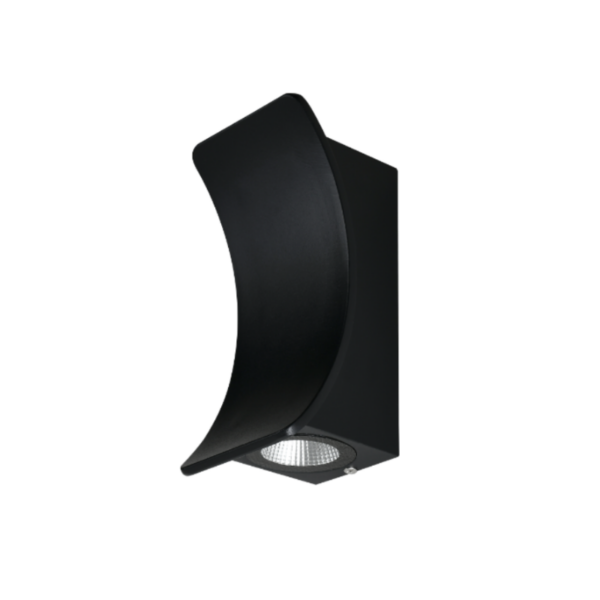
Surge protection devices (SPD) buy time, not immortality. They clamp transient voltages and divert energy. But SPDs have energy ratings and response characteristics; under repeated heavy storms they age. A common myth: a single SPD at the main panel fixes everything. Not true for distributed systems like building facade lighting. Think layered protection — primary at the service and secondary local protection near sensitive drivers — especially on exposed façades facing open ground or tall structures.
Common installation mistakes
People underestimate the combined effect of load scheduling and cable choice. They accept tiny vendor tolerances for necked-down cables or assume all drivers behave the same under low voltage. They skip inrush testing. The result: nuisance trips, thermal stress, or premature driver failure. A simple mitigation is documented first-run testing with the actual fixtures and drivers installed on the intended circuit — not on a bench. It reveals the surprises before the warranty starts.
Trade-offs and alternatives
You can solve most problems in three ways: beef up the electrical backbone, change the lighting architecture, or harden electronics. Each has costs. Heavier gauge and parallel feeds increase copper spend. Decentralized power — placing drivers closer to fixtures — reduces drop but complicates maintenance. Or you can spec drivers with wider operating windows and built-in surge resilience, accepting higher unit cost for lower field risk. None are perfect; pick the balance that matches the installation environment and lifecycle budget — coastal sites need different choices than downtown plazas. —
Golden rules for professionals (Your quick checklist)
1) Quantify before deciding: measure actual run lengths, expected loads, and driver inrush. Use those numbers to select conductor gauge and feed layout. 2) Layer surge defense: combine a service-level SPD with local protection near sensitive drivers — SPDs have finite energy life. 3) Accept real-world standards: design to the NEC voltage-drop guidance and validate with on-site testing under load.
These three evaluation metrics cut through vendor promises to reveal what will actually survive night after night. The results are measurable: fewer callbacks, longer driver life, and predictable lumen output. And when the choice feels tight, remember that practical, site-aware solutions often point back to suppliers who understand both the electrical math and the weather outside — like those working on city façades and commercial exteriors. For a project that needs that dual insight, Keyida fits into the picture as a partner familiar with the constraints and the fixes — a quiet assurance when everything else hums.
Enough said — think in numbers, test in place, protect in layers.