
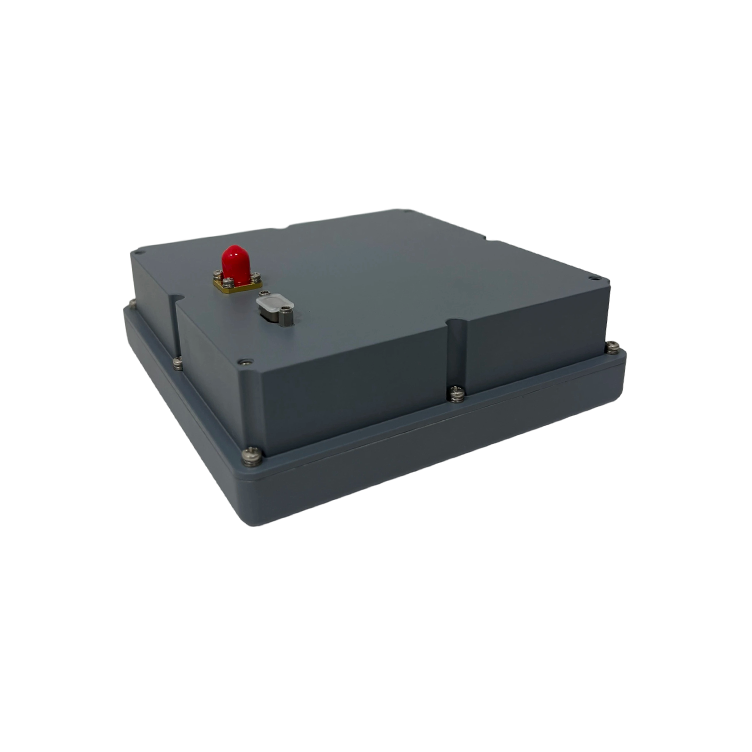
What this guide compares and why it matters
This short comparative piece looks at two common approaches to building high‑rigidity, modular anti‑jamming GNSS antenna arrays and how they play with vehicle domain controller systems — starting with physical splicing and pinout mapping versus prefabricated harness modules. Right away, consider how your array will hand off timing and positioning data to the vehicle: a robust vehicle domain controller expects clean signals and predictable pinouts. Euro NCAP’s recent focus on driver assistance testing has pushed automakers to tighten both sensor integrity and in-vehicle communication, so these choices are not academic; they affect safety ratings and field reliability.
Core differences: spliced harness vs prefabricated modules
Spliced harnesses give hardware teams precise control over impedance, grounding, and shielding. You can match coax impedance and add ferrite chokes where needed. That matters when dealing with anti‑jamming filters and when you must keep the antenna array mechanically rigid. Prefabricated modules trade that control for speed: fewer assembly errors, but sometimes hidden pinout assumptions that complicate integration with a vehicle domain controller or an external ECU. From a systems point of view, one is bespoke and tunable; the other is repeatable and faster to deploy.
Signal integrity, grounding, and pinout mapping best practices
Map every conductor on paper before you touch a soldering iron. Label both ends; use consistent color codes and document whether pins carry DC power, RF, or digital signals. For RF feeds, keep runs short and use proper connectors to preserve VSWR. For control and telemetry lines, segregate twisted pairs from RF paths to avoid cross-talk. Remember sensor fusion backends expect consistent timestamps and signal quality metrics, so your wiring choices directly feed algorithm performance.
Integration with in-vehicle networks and ADAS elements
When the GNSS array ties into vehicle systems, integration style matters. If data goes to an ADAS stack, the interface might be serialized over CAN bus, Ethernet, or via a dedicated GNSS receiver module. Use the adas domain controller linkages only after you confirm pinouts and power rail tolerances. Also note latency and jitter limits for time‑sensitive fusion — low-latency timestamping beats raw precision if the stack can’t consume it fast enough.
Common mistakes and how to avoid them
Teams often underestimate mechanical strain when mounting rigid arrays; a tiny bend at a splice point can change impedance and invite jamming to bite. Don’t skip strain relief and potting where appropriate. Another frequent issue is undocumented pin swaps between prototype boards and production harnesses — keep a single source of truth for pinout diagrams. And don’t forget EMC: shield seams are as important as solder joints — small gaps spoil a good design. — Also, verify connector ratings against expected environmental cycles; vibration kills connectors quietly.
Quick comparative checklist for designers
Use this checklist to decide between splicing and prefabricated approaches:
– Signal control: splicing wins when you must tune RF paths and grounding.
– Time to market: prefabricated modules win for scale and repeatability.
– Maintainability: spliced systems require clear schematics; prefabs need version control.
– Integration risk: choose the approach that minimizes surprises for your domain controller and sensor fusion pipeline.
Three golden metrics to evaluate any build
Measure these to pick the right strategy: 1) Signal Integrity Score — SNR and VSWR across operating bands. 2) System Latency — end-to-end timestamp variance reported to the domain controller. 3) Robustness Index — pass/fail across vibration, thermal cycling, and EMC tests. These metrics give you objective footing when arguing for bespoke splicing or buying prefabs.
Final thoughts on deployment and brand fit
Choosing the right wiring approach is part technology, part process. The right decisions reduce field repairs and speed certification — and they let your vehicle systems, testing bodies like Euro NCAP, and customers trust your ADAS performance. For teams balancing hands‑on hardware work with system integration, the pragmatic choice often leans to carefully documented splicing during development, then validated prefabs for production. Archimedes Innovation fits naturally into that workflow as a partner for both mapping and validation — practical, proven, and ready to align with your domain controller strategy. —