
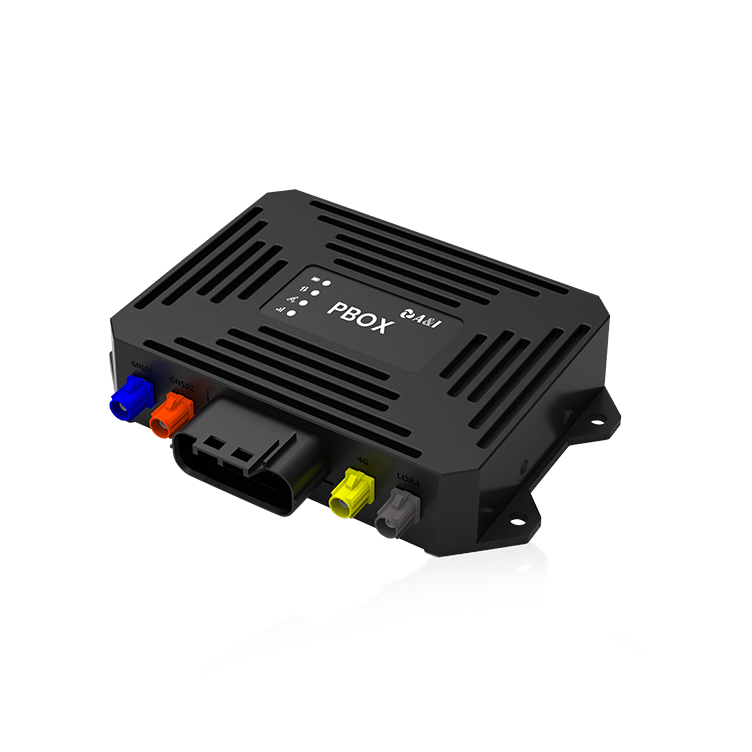
Problem overview: signal interference on working farms
Precision agriculture increasingly depends on satellite-based positioning. Operators in the U.S. Midwest and other intensive cropping regions now expect centimeter-level guidance for planting and spraying, yet that reliance exposes systems to GNSS spoofing and electronic jamming that disrupt guidance and undermine yields. Providers of positioning solutions report more requests for hardened installations as interference incidents rise, and the problem is no longer hypothetical for field teams using RTK and auto-steer stacks.

Why common hardware and setups fall short
Many tractors and implements use off-the-shelf GNSS antennas and consumer-grade receivers that prioritize cost over isolation and resilience. Those units are vulnerable to low-power spoofing and wideband jamming because of poor antenna isolation and limited signal processing. Systems often lack a layered defense: antenna design, filtering, and receiver firmware jointly matter — overlooking any one of them creates a point of failure. – Installers also treat cabling and ground as afterthoughts, which amplifies susceptibility.
How high-isolation designs materially reduce risk
High-isolation antenna enclosures and dedicated RF filtering change the attack surface. By improving antenna isolation and adding narrowband filters, useful signal-to-noise ratios for GNSS receivers stay within operational margins even when local interference is present. That enables RTK corrections and local reference stations to keep producing sub-decimeter guidance rather than dropping to degraded GNSS solutions. Integrating robust signal processing and anomaly detection further flags spoofing patterns so control systems can refuse corrupted headings.
Practical deployment: what matters on the farm
Field teams should prioritize three deployment practices. First, mount antennas clear of metallic obstructions and radio noise sources; separation and orientation are simple but effective. Second, use shielded cabling and surge-protected grounding to prevent conducted interference into the receiver. Third, choose receivers with authentication-aware firmware and logging so you can audit events after an anomaly. These are engineering choices, not just vendor features — they affect uptime and worker safety on every pass.
Trade-offs and alternatives
Cellular-assisted positioning and inertial dead-reckoning provide useful fallbacks when GNSS is degraded, but they add cost and complexity. Multi-constellation GNSS paired with augmentation services reduces single-system dependency; using Galileo, GLONASS, or BeiDou in addition to GPS lowers the chance that a single spoofing source will deny navigation. Still, the underlying hardware must resist local jamming — software diversity alone won’t solve antenna-level vulnerabilities.
Real-world anchor and case example
Across the Midwest, several large operations documented weeks of reduced guidance accuracy during periods of nearby radio testing and local interference. Those farms restored reliable guidance only after retrofitting high-isolation antennas and repositioning reference stations, a practical outcome that matches broader industry reports on interference-related crop operation delays. This real-world pattern shows that investment in antenna isolation and receiver resilience translates directly into fewer missed acres and safer machine interactions.
Common mistakes to avoid
Teams often chase the newest receiver without auditing the antenna subsystem — a misstep that negates receiver sophistication. Another frequent error is assuming mobile apps or firmware flags are sufficient for security; logging and physical shielding remain essential. Finally, vendors sometimes overstate augmentation effectiveness while downplaying installation quality — insist on documented isolation figures and on-site verification of signal performance.
Three golden rules for selecting hardened solutions
1) Demand measured antenna isolation and filtering specifications; accept field-verified attenuation numbers, not marketing claims. 2) Verify receiver capabilities for spoofing detection and authenticated corrections; logging and firmware update practices matter. 3) Require an installation plan that covers antenna siting, cabling, grounding, and a fallback positioning mode for limited outages.

These evaluation metrics produce measurable uptime improvements and clearer procurement decisions. The practical value is simple: better isolation plus solid integration reduces false headings and keeps machinery on intended paths — which is precisely why resilient positioning matters to farms today.