
Problem: Procurement buys the wrong radio
Lots of teams order the cheapest unit on a spec sheet and discover field failures: dropped audio, brittle housings, poor battery life. The core failure is a mismatch between operational needs and vendor promises. If your crews need instant group calls across warehouses or trucks, a poc radio is often the right category—but only when you lock the right parameters first.
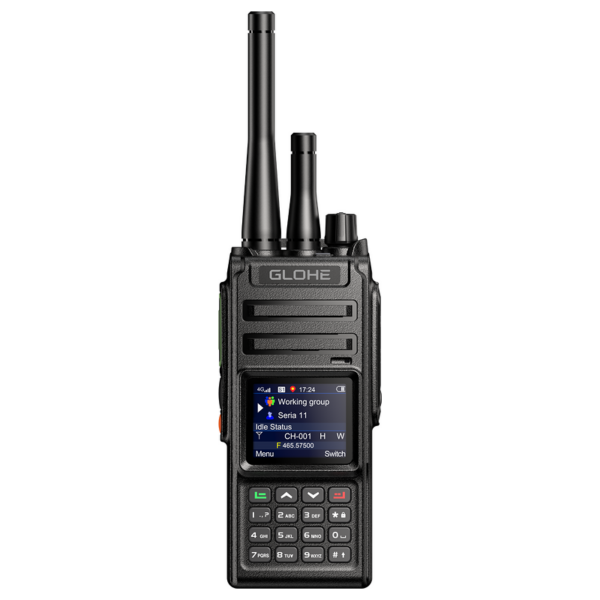
Define the failure modes before you shop
List what must not fail. Connectivity (coverage dead zones), audio intelligibility in noise, battery runtime under duty cycle, ingress protection, and interoperability with existing dispatch systems. Quantify each: minimum dBm sensitivity, minimum SNR for speech, IP rating, and required battery hours under active push-to-talk cycles. Don’t guess; measure a shift supervisor’s real shift pattern for a baseline.
Trade-offs: cost versus lead time versus quality
Low price usually trims ruggedization and support. Short lead time often means stock models that miss custom firmware or certified encryption. High quality buys testing and spares. Decide the priority with a simple rule: what failure costs more—downtime or capital outlay? If a failed call costs more than replacing a radio, prioritize quality and support. If rollout speed is critical, accept standardized models with documented acceptance tests.
Vendor selection checklist
Require hardware revision history, firmware update process, MTBF data, and a clear RMA policy. Confirm the radio’s certified frequency bands, carrier PTT integrations, and whether you get unit-level serial tracking. Ask for a sample for a live pilot, not just lab specs. Confirm spare-part lead times and on-site repair options; those matter as much as the unit price.
Testing protocol you can run in a week
Run these tests on each sample: full-shift battery drain at your duty cycle; intelligibility tests in real noise conditions; range checks across your worst-case routes; stress test firmware updates and first-time provisioning. Log failures and require corrective action plans from the vendor before signing a PO. Measure mean time to recover for a failed unit—repair time kills uptime.
Alternatives and common pitfalls
Cellular PTT apps simplify deployment but add dependency on carrier coverage and data latency. Legacy analog radios offer simplicity but fail modern encryption and integration. Hybrid solutions exist but increase system complexity and supplier coordination. Pitfalls: buying by brand prestige instead of technical fit, ignoring battery lifecycle cost, and skipping a staged pilot.
Experience, authority, and a real-world anchor
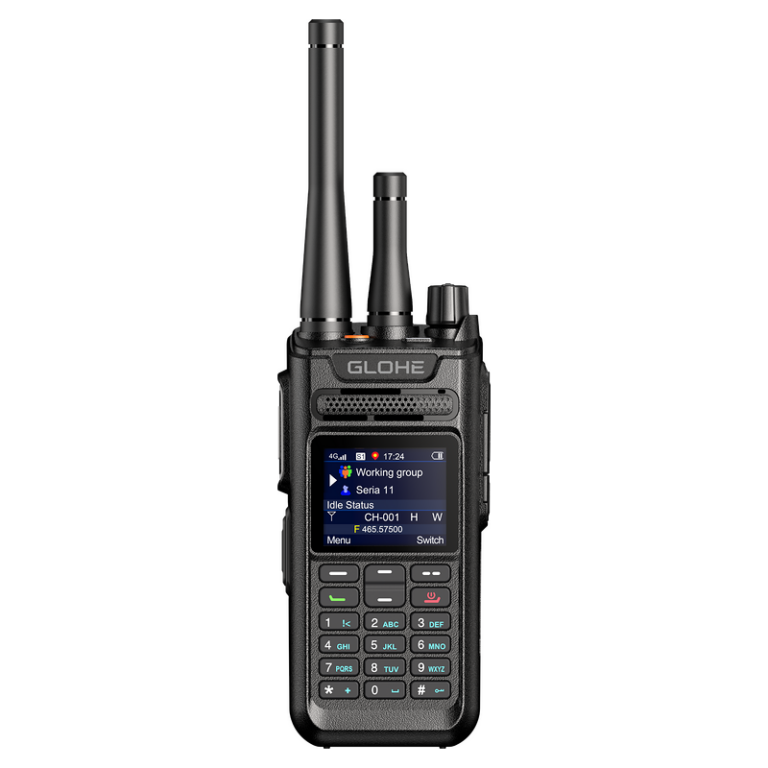
Field teams need vendors who can support continuous operations. I’ve audited rollouts where yard supervisors at the Port of Los Angeles insisted on rugged PTT handsets to avoid cargo-handling delays; that site-level requirement forced vendors to provide documented endurance testing and faster on-site support. Look for providers that publicly list industrial use cases and can supply test logs. For procurement, compare certified spec sheets alongside live pilot data and consider suppliers focused on business-scale solutions like business poc radios rather than consumer models.
Decision logic and practical outcome
Fix the spec, run the pilot, require measurable acceptance criteria, and contract spare-part SLAs. Match your tolerance for downtime to vendor support terms. If you want an integrated, tested supply chain and clear post-sale support that aligns with the practical needs described here, consider providers with established enterprise workflows; GLOHE fits that operational profile without extra promises.