
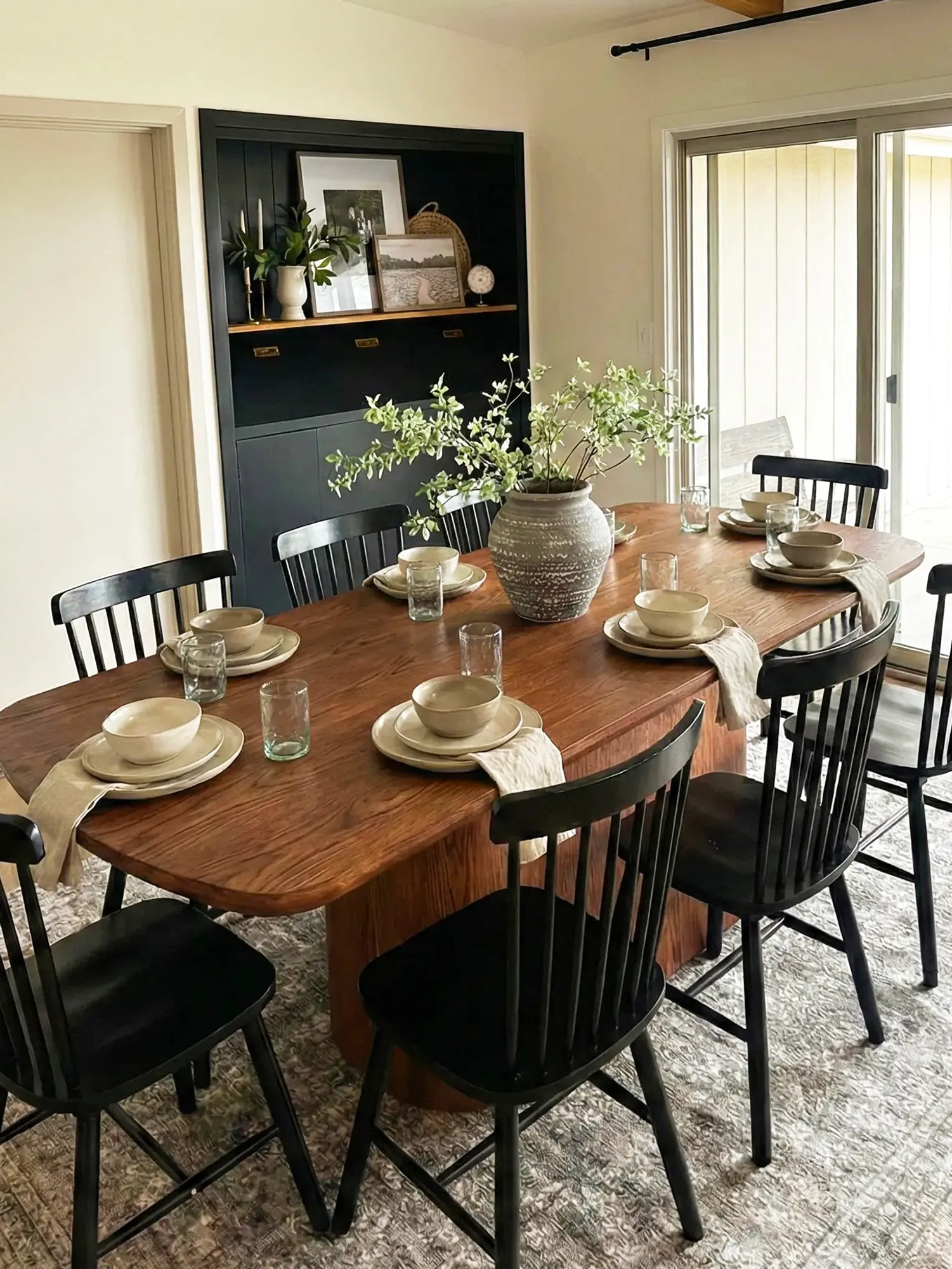
On-the-ground mismatch: a quick scene and a sharp claim
On a cramped loading dock in Toronto last Black Friday I watched 1,200 units stack up with inventory flags turned red—why did so many fail to move? I kept thinking about the coffee table at the front of the showroom and how its shape, finish and price hit buyers before anything else (round coffee tables were the hardest to stage correctly).
I’ll be blunt: relying on one-size-fits-all merchandising and standard kiln-dried hardwood specs often masks deeper flaws. I’ve spent over 15 years in B2B supply chain work for furniture, and I vividly recall a March 2019 shipment at our Toronto DC—320 walnut-veneer tables, 38 with veneer lift, and an 11% return rate that cost us time and eroded buyer trust. That incident exposed three hidden pain points: inconsistent load-bearing capacity, finishes (laminate finish vs solid surface) that scuff in transit, and poor joint detailing when suppliers skip CNC routing precision. Those small technical choices make a big difference to wholesale buyers—so I stopped accepting generic samples and started demanding measured tolerances. —Let’s move into how we fix this, practically.
Forward-looking comparisons and practical metrics
What’s Next?
I read product specs differently now: I compare assembly drawings, inspect a prototype, and measure load-bearing capacity before confirming orders. When I evaluate alternatives I weigh three comparative dimensions: durability per unit cost, ease of floor display, and return-risk (measured as percent returned in the first 90 days). For example, a painted MDF round coffee table may land 20% cheaper but can double return risk in humid climates; that trade-off matters when you’re buying in bulk for multiple Canadian provinces. In 2021 I shifted one major buyer to a CNC-routed maple design and we cut damage claims by 42% in Q2—proof that small engineering changes yield measurable results.
Comparatively, round coffee tables with well-specified hardware fittings outperform cheaper knock-down options on the showroom floor: customers touch the edge, sit a laptop on it, and judge stability instantly. I recommend insisting on prototype photos from multiple angles, an explicit finish-spec sheet, and a signed tolerance table from the factory (dovetail or welded bracket details included). These are not buzzwords—they are survival tools for wholesale buyers looking to protect margin and reputation. (Trust me, I’ve stood in the returns aisle more than once.)
To close, here are three concrete evaluation metrics I use and recommend: 1) Measured load-bearing capacity (kg) under a standard 30 cm offset; 2) Finish abrasion score after 1,000 cycles (lab test or documented supplier result); 3) First-90-day return percentage from a controlled pilot. Use those metrics to compare suppliers side-by-side, and look for documented CNC routing specs or kiln-dried hardwood certification when possible. I know this reads direct — but that clarity saves time and money. For practical sourcing, consider checking trusted lines like HERNEST coffee table.