
Introduction
I once stood in a small workshop handing over a prototype and felt that mix of hope and nervousness every founder knows. In that moment I learned the hard way why choosing the right electric motor manufacturer matters—global demand for compact motors rose noticeably last year, and mistakes cost time and credibility. (That table of specs looked great on paper.) So: how do you pick a partner who actually gets torque needs, lead times, and quality testing without burning your runway? Let’s unpack that next.
Why standard fixes fall short for custom electric motors
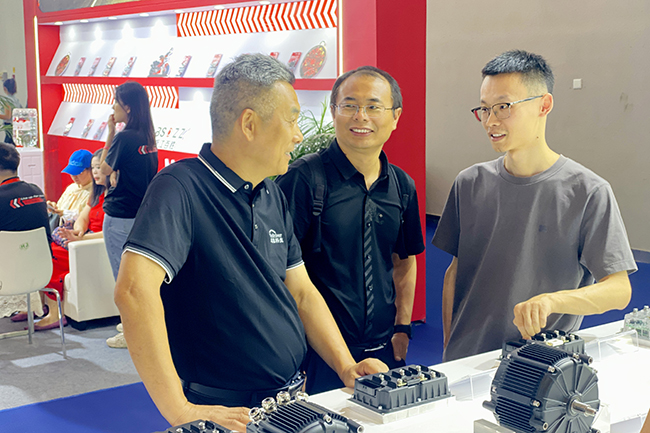
When teams look for solutions, they often default to off-the-shelf parts or one-size-fits-all suppliers. I’ve seen projects stall because a supplier couldn’t tweak winding patterns or manage thermal limits. That’s why I recommend starting the discussion around custom electric motors early — you want a partner who can modify stator geometry, adjust rotor balance, and tune the inverter interface to fit your system. These are not small changes; they affect efficiency, noise, and lifespan.
Here’s the blunt truth: many traditional vendors optimize for cost or volume, not for your product’s duty cycle. The result is misaligned torque curves, thermal bottlenecks, and surprise EMI issues. Look, it’s simpler than you think — ask for test logs, ask about PWM strategies, and demand clarity on power converters and cooling schemes. If they dodge specifics, that’s a red flag.
What part usually breaks first?
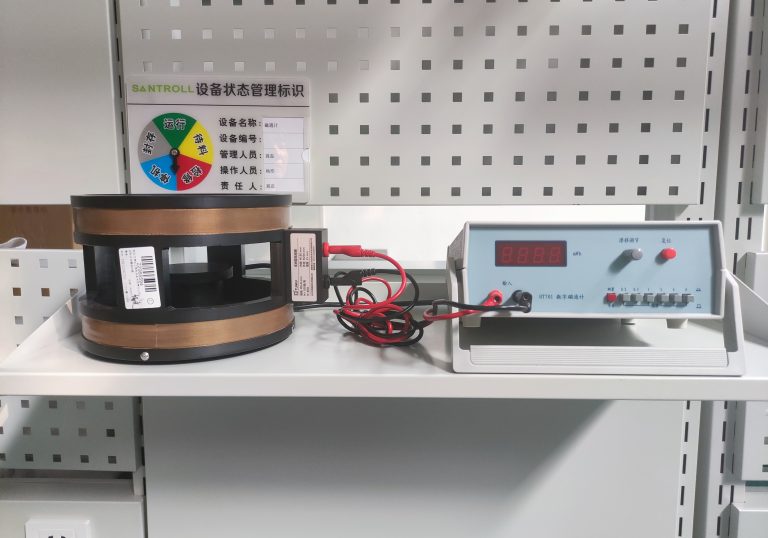
Typically the things people ignore are rotor balancing, bearing selection, and thermal paths. Neglect any one and your prototype will fail in the field — often after warranty expires. I’ve learned to press suppliers on those points in the first meeting.
Future outlook: how modern practices reshape selection
I want to shift the lens forward. We’re moving into a phase where modular designs, digital twins, and better material science change how we evaluate suppliers. For founders and engineers, that means comparing partners on adaptability, not just price. For instance, some boat motor manufacturers now offer rapid prototyping for shaft seals and water-cooling channels — things that matter if your product hits wet environments.
Case in point: a midsize mobility company I advised switched to a partner that used thermal modeling and iterative prototypes. The outcome? Lower peak temperatures, higher continuous torque, and fewer in-field failures — measurable wins. That transition required trust, but also clear metrics: thermal resistance, torque density, and MTBF. — funny how that works, right? I want you to think about partners who can iterate fast, share test data, and treat your spec sheet as a living document.
What’s Next?
If you’re deciding now, here are three evaluation metrics I use personally: 1) Test transparency — do they share raw test curves and failure modes? 2) Engineering flexibility — can they alter stator/rotor design without massive NRE? 3) Support for system-level integration — do they understand your inverter, controller, and the full powertrain? These points separate vendors who deliver from those who simply ship parts.
Choosing the right partner is part judgement, part evidence. I trust partners who speak openly about trade-offs and who back up claims with data. If you keep those three metrics in mind and ask the right questions early, you’ll save weeks — sometimes months — of rework. For practical help, consider vendors with proven experience in both custom builds and niche markets like marine systems; many boat motor manufacturers can bridge that gap. And yes, testing matters — and yes, documentation saves grief. For a hands-on partner perspective, check out Santroll.