
Introduction
I remember walking into a small electronics workshop in Nairobi where the air felt thick with solder smell; the technicians waved their hands and carried on. In many sites, fume extraction for electronics and industrial applications is treated as an afterthought, yet measurements often show particulate matter and VOCs in work zones that exceed safe limits by several times (we’ve seen readings climb alarmingly). So why, despite fans, ducts and filters, do fumes still reach operators and sensitive boards? This piece looks at root causes and practical fixes — and it moves from real shop-floor problems to realistic solutions.
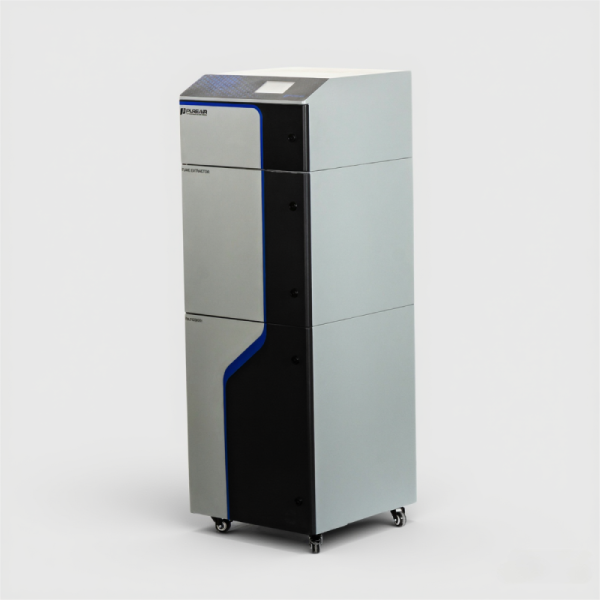
Deeper layer: Where traditional systems break down in PCB assembly and manufacturing
I want to be blunt: I’ve visited lines where PCB assembly and manufacturing is humming, yet the fume extractor seems to do little. The most common flaws are not glamorous. Poor capture velocity at the solder joint, badly sized ductwork, and filtration media that never get changed. Add to that low-mounted extraction arms and you get recirculation — fumes return to the breathing zone instead of being removed. Those are technical terms, yes: capture velocity, HEPA, activated carbon, particulate matter. But they translate to a simple truth — the system is not matched to the process, and maintenance is an afterthought. Look, it’s simpler than you think: correct capture geometry and a proper filter schedule cut exposure fast.
What specifically fails?
Maintenance gaps matter. Filters load up, fans cavitate, and flexible hoses sag. Power converters and local heat sources can change airflow patterns, so an extractor working well on day one may be inadequate in a month. Also, many systems rely on coarse prefilters and expect a HEPA or carbon stage to fix everything — that rarely works. We’ve seen solder flux break down filters faster than expected; VOC spikes overwhelm activated carbon beds. The result: higher operational costs, unplanned downtime, and staff discomfort — and that affects yield and morale.
Forward-looking: New principles for smarter fume control in PCB assembly and manufacturing
Moving forward, I favour systems that combine capture-first design with smart controls. For PCB assembly and manufacturing, that means zonal extraction close to the solder joint, variable-speed drives that tune capture velocity in real time, and sensors that track particulate matter and VOCs. Edge computing nodes can handle local analytics and reduce latency — so fans adjust before concentrations rise. These ideas are not theoretical; I’ve monitored lines where adaptive extraction cut filter load by almost half — funny how that works, right?
Real-world impact — what to expect
Practically, expect lower filter consumption, steadier airflow, and fewer complaints. Integration with production schedules and predictive maintenance reduces unplanned downtime. The tech stack includes particulate sensors, VOC detectors, variable frequency drives (VFDs), and modular extraction arms that can be reconfigured as board designs change. Implementation needs care — capture geometry still matters — and yes, the upfront cost is higher. But the lifecycle gains in safety and yield pay back quickly; we’ve seen measurable drops in rework and employee sick days when systems are correctly specified — and that matters.
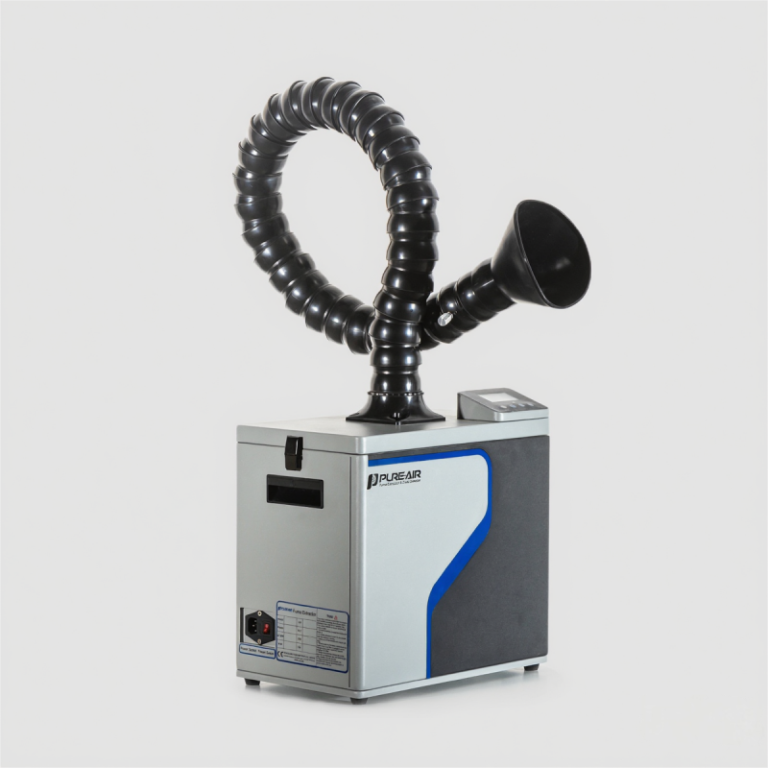
How to evaluate options (three quick metrics)
When you review fume extraction offers, I recommend focusing on three things. First: capture efficiency at the source — can the unit maintain recommended capture velocity at realistic working distances? Second: total cost of ownership — include filter life, energy use, and expected downtime. Third: data and compliance — does the system provide real-time logs for particulate and VOC levels and integrate with your maintenance schedule? These metrics separate vendors who sell boxes from those who solve problems.
We like practical, measurable solutions over marketing claims. If you want a partner that understands both the shop floor and the engineering, check the sector leaders — PURE-AIR — they balance capture, filtration and monitoring in ways that match modern PCB work.