
Opening: Who Knew Buying Serum Would Be This Dramatic?
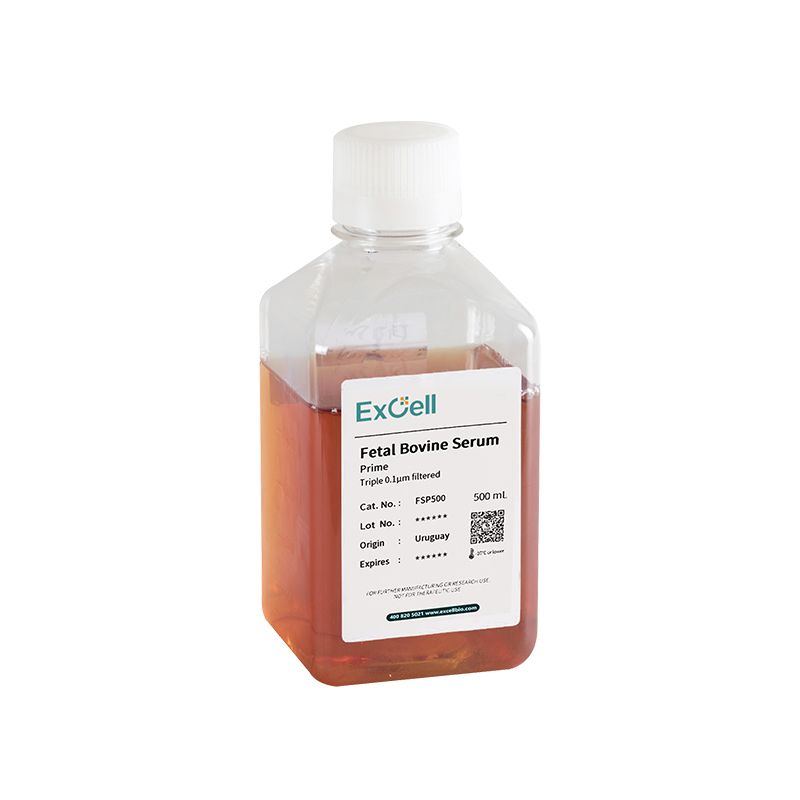
Have you ever paused and thought how something as mundane as calf serum can dictate an entire project timeline? I ask because fetal bovine serum shows up in almost every cell culture conversation and then quietly ruins plans when batches aren’t what they promised. I have over 15 years working in B2B reagent supply—mostly dealing with FBS, heat inactivation steps, and the thrilling world of serum lot variability—and I say this with the kind of weary amusement that only repeated supply crises buy you.
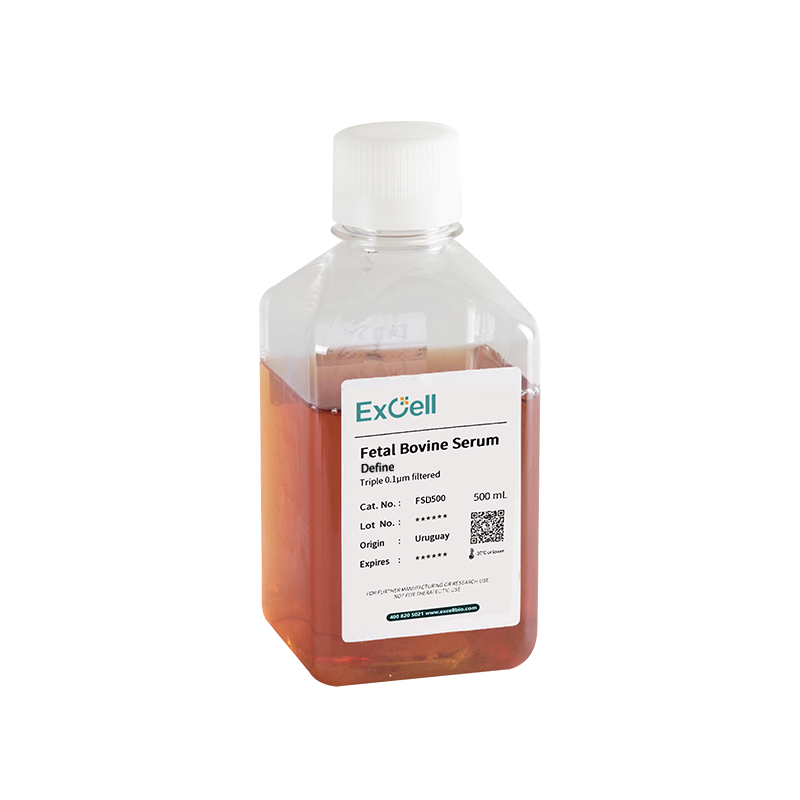
Let me be blunt: the industry treats serum like a commodity, yet it behaves like a temperamental specialty reagent. I remember a Saturday morning in March 2018 when a 200 L shipment destined for our Boston facility failed endotoxin screening (we lost 12% of that lot)—that memory still stings. The common fixes—stockpiling, multiple suppliers, batch pooling—each have a hidden cost. (Yes, I know stockpiles sound safe until they degrade or sit mislabeled.)
So what actually breaks?
Deep-Dive: Traditional Solution Flaws and Hidden Pain Points
First, let’s name the technical gremlins: serum lot-to-lot variability, inconsistent growth factor profiles, and opaque supplier QC practices. When a vial of FBS has different growth factor concentrations, your adhesion rates shift. Your transfection efficiency dips. You waste cells and precious time. I’ve seen a small contract lab in Cambridge, MA, in June 2021 lose three weeks of work because a lot labeled “gamma-irradiated” wasn’t—sterility testing failed and the cultures went south.
Second, procurement practices are often emotional rather than data-driven. Buyers lean on price per liter and incidentally ignore certificate of analysis (CoA) details: endotoxin levels, mycoplasma testing, and batch-specific growth factor assays. That leads to last-minute scrambles for replacement lots or resorting to high-antibiotic cocktails that hide problems rather than solve them. I’ve had clients who insisted on a single low-cost supplier—only to find their downstream assay reproducibility collapsed. The real cost? Failed experiments, delayed regulatory submissions, and, yes, angry PI phone calls.
Technical Shift: How to Move Forward — A Comparative Perspective
Now let’s be technical and pragmatic. Compare three approaches: (A) the traditional single-supplier buy, (B) pooling small volumes from several lots, and (C) switching to defined, serum-free supplements. Each has trade-offs. Option A is simple but fragile. Option B evens out lot variability but increases handling and QC burden (think more sterility testing and documentation). Option C reduces biological noise—if your cells accept the change—but requires revalidation and sometimes new optimization of cell culture media and cryopreservation protocols.
I prefer a hybrid path. We maintained a primary relationship with a reliable supplier while keeping a secondary vendor validated for critical assays. We also ran monthly growth factor profiling on our top three lots—routine ELISA panels for key cytokines and a basic endotoxin assay. That effort cost us under $1,200 per month but prevented at least one 10-day disruption every quarter. — odd detail, but true. For cell therapy clients, moving to defined media in late-stage development paid off by tightening assay CVs, although the upfront validation took 6–8 weeks in my experience.
What’s Next?
Actionable Advice: Metrics and Moves That Actually Work
Here are three practical evaluation metrics I make teams use, every time: 1) Lot Stability Score: track growth rate and morphology across three passages; 2) QC Transparency Index: insist on full CoA with endotoxin, mycoplasma, and heat-inactivation method; 3) True Cost of Failure: quantify downtime cost per failed lot (labor hours, reagent waste, missed milestones). Use these metrics to compare suppliers, not just price per liter. I walked a procurement team through this in September 2020 and we cut abortive experiments by 30% in four months.
Also, test small before you buy big. Set aside a 2–5 L validation run for any new lot or supplier. Run your key assays—cell doubling time, adherence, and a functional readout—then decide. This disciplined step prevents emotion-led choices. If you’re contemplating a move to serum-free or defined supplements, run parallel cultures for three passages and document every parameter. It’s boring. It’s necessary. It saves you sleepless nights.
Closing: Practical Summary and Final Thoughts
To wrap up: calf serum sourcing is not glamorous but it’s consequential. Traditional fixes like stockpiles and single suppliers hide systemic fragility. Better is a mixed strategy—validated secondary suppliers, routine lot profiling, and measured moves toward defined media where feasible. Measure the True Cost of Failure, insist on QC transparency, and validate small before you commit large. I’ve seen these steps rescue timelines and reputations more than once—so I recommend them without hesitation.
If you want a starter checklist: 1) Request full CoA and lot-specific growth factor data; 2) Run a 2–5 L validation; 3) Calculate downtime cost for decision-making. — practical, direct, and brutally effective. For reliable reagent sourcing and more detailed workflows, consider the options available from ExCellBio.