
Introduction: A Shop Floor Moment, Some Numbers, and One Big Question
I once watched a weekend shift where a single operator turned a late-night panic into steady output with just a tweak to tooling. The shop smelled of coolant and coffee. In that moment I realized how fragile our setups can be. CNC turret lathe was at the center of that fix — a familiar machine, yet suddenly the answer to a problem no one planned for. (Yes, I keep a notebook for this stuff.)
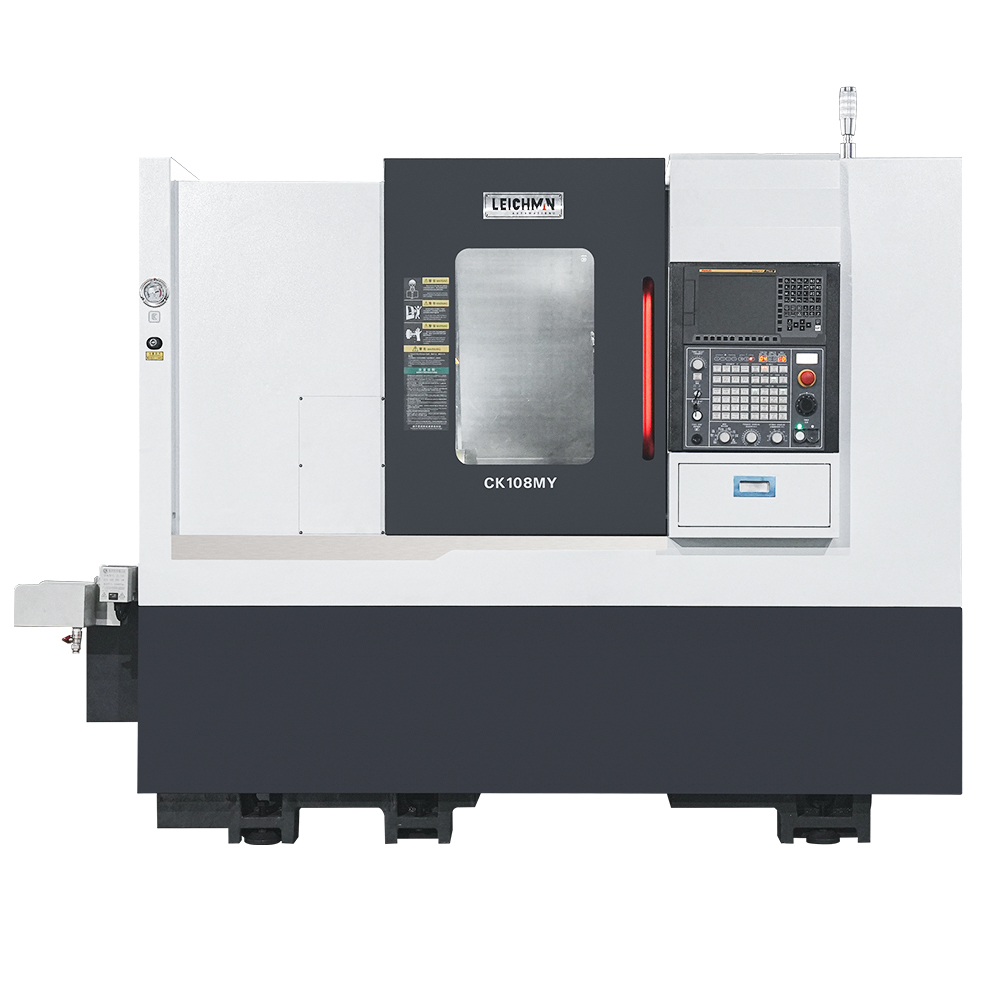
Data matters: a small plant I advise cut changeover time by nearly 30% after rethinking turret layout and control logic. That kind of gain looks small on paper but pays bills fast. So I ask: what are we missing when we talk about productivity—are we solving the right problems or just rearranging chairs?
I want to explore that question with you. We’ll start with where the usual fixes fall short, then move toward practical choices and tools that actually help. Let’s keep it grounded and useful — no jargon-heavy detours. Next up: the real pain points behind twin turret designs and why operators quietly complain.
The Real Pain: Why Twin Turret Lathe Setups Still Trip Us Up
twin turret lathe designs promise speed and flexibility, but I’ve seen them create workarounds instead of solutions. Operators juggle two tool banks, fight turret indexing delays, and manage complex tool offsets. These translate into hidden time sinks: unexpected stoppages, extra quality checks, and more human stress. Look, it’s simpler than you think—until you’re the one troubleshooting at midnight.
What keeps operators awake?
Here’s what I hear most: misaligned live tooling, inconsistent spindle torque under load, and confusing CNC controllers with buried settings. Those issues are technical, yes, but they’re felt as friction and frustration on the floor. I count on seeing a pattern: poor setup procedures combined with fragile changeover routines. When servo motors lag or power converters hiccup, small problems cascade. We patch them with scripts or checklists. That helps. But the root cause often remains: designs that assume perfect conditions and perfect humans. They don’t match real shops.
Forward Look: Principles and Practical Steps for Better Horizontal Turret Lathe Integration
Moving forward, I favor clear design rules over clever hacks. For a robust process, consider modular tooling, predictable turret indexing, and visual setup aids. When I pilot changes I lean on a few core principles: simplify interfaces, standardize offsets, and monitor key signals — spindle load, tool life, and cycle anomalies. These are not glamorous, but they work.
What’s Next: Real tech and real people
Take one case: a shop moved to a modern horizontal turret lathe and paired it with live tooling standards and clearer job cards. Cycle consistency improved, scrap dropped, and setup stress eased. — funny how that works, right? I think the lesson is this: match tech to workflow, not the other way around. Use simple sensors on spindle and turret to flag issues early. Add edge computing nodes only where data will lead to an action, not because it sounds trendy.
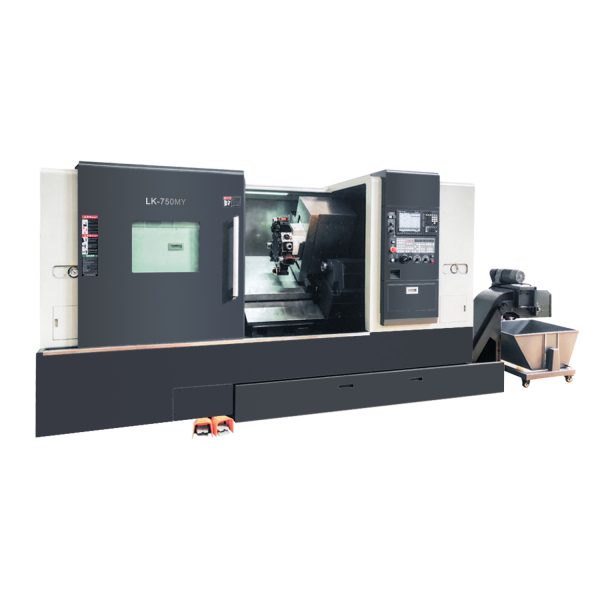
Now for the practical close: if you’re evaluating systems, measure three things. First, setup time under real shift conditions. Second, mean time to diagnose — how long to find and fix a fault. Third, throughput variance — not just peak cycle time, but how stable production stays over a week. Those metrics tell a truer story than specs alone. I speak from trial and error; we’ve learned hard lessons and kept the useful ones.
For suppliers and teams I respect, I look at responsiveness and support as much as hardware. And honestly, I prefer partners who listen to operators first. For that reason I often point peers to thoughtful manufacturers like Leichman when they ask for a real starting point.