
Where the Problem Begins
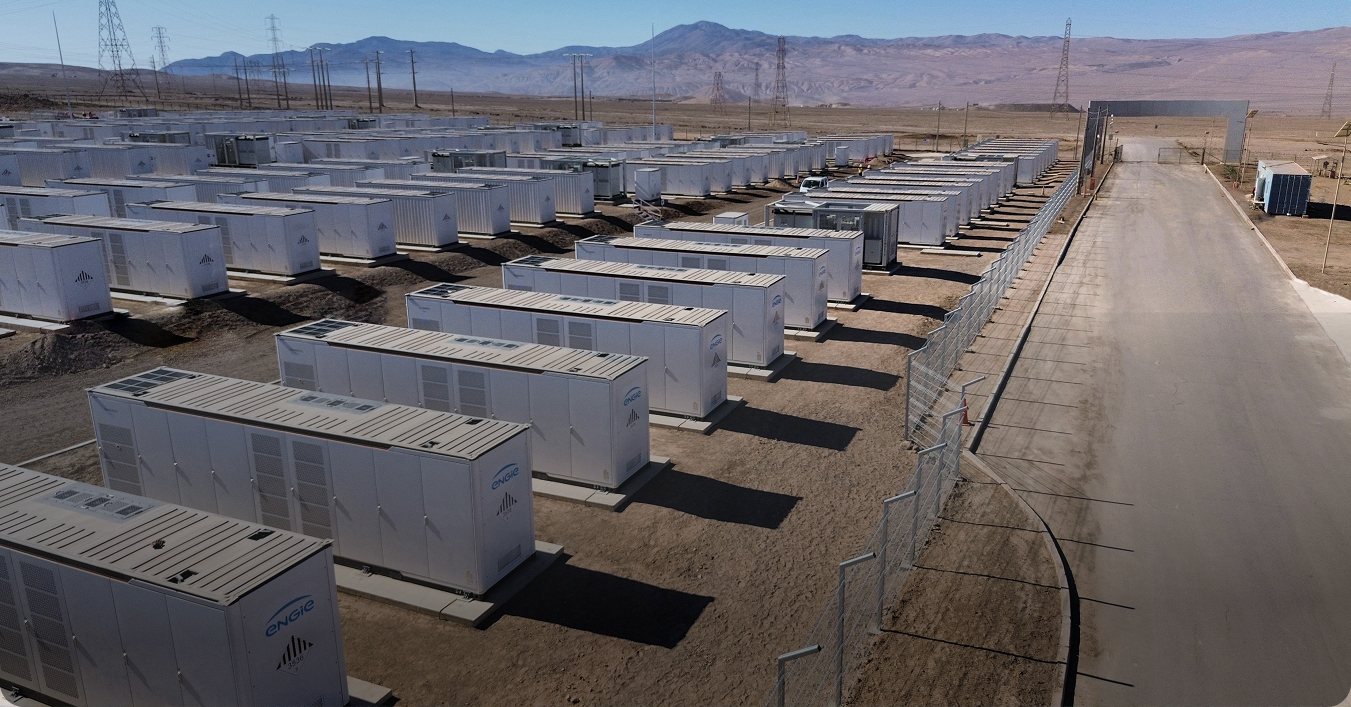
I make a stark claim: our grids are already brittle, and the long night is not hypothetical. A coastal substation failure in July 2024 left 120,000 homes dark; operators logged 2.3 GWh of curtailed solar last year—who will bridge that gap? In my work—over 15 years buying and integrating large-scale energy assets—I’ve seen how utility scale battery energy storage systems are treated as a silver bullet while their hidden liabilities grow. I remember installing a 250 MWh lithium-ion BESS at a Phoenix substation in March 2021; the inverter pairing was fine, but the control logic and site HVAC were not sized for the summer peaks (no joke). That oversight cost us two weeks of reduced availability and a five-figure penalty for missed capacity obligations.
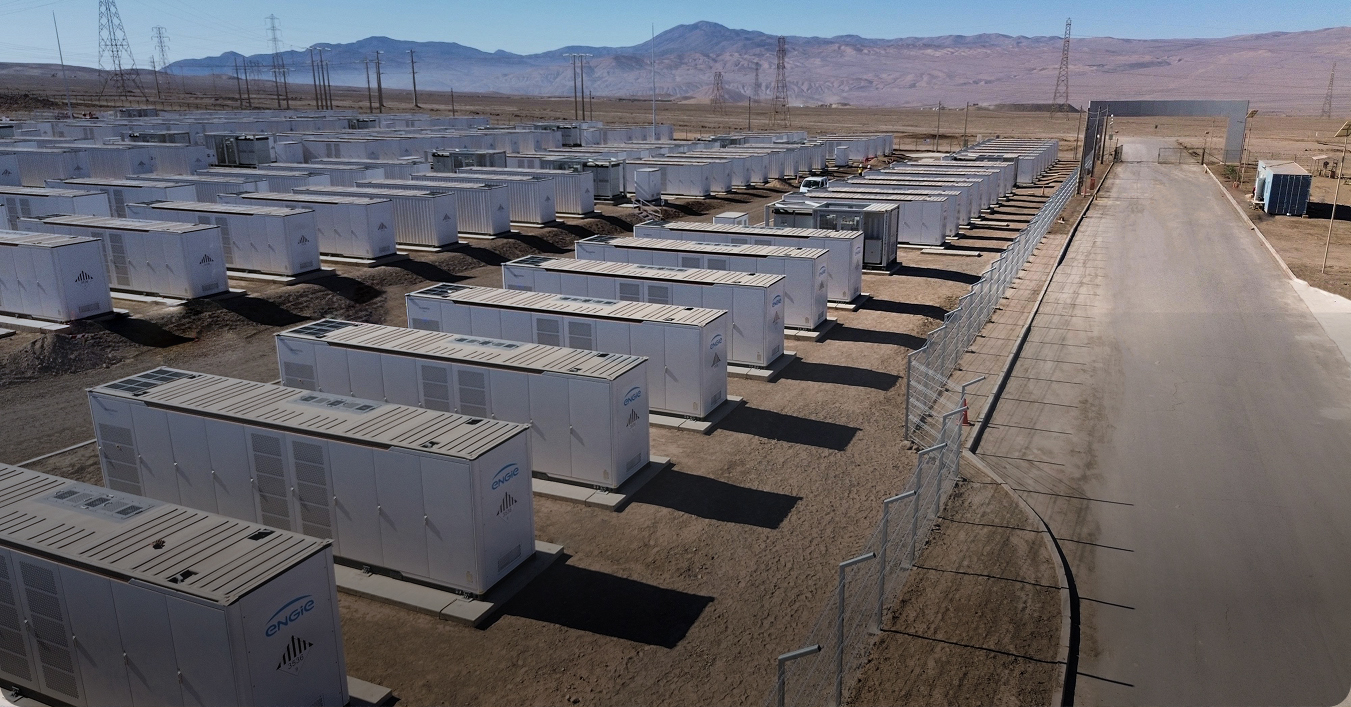
We must face the flaws: designs that assume perfect ambient conditions, vendors who quote optimistic round-trip efficiency under lab conditions, and contracts that ignore state-of-charge (SOC) drift over months. I’ll be blunt—most procurement teams focus on headline metrics (MWh, lifecycle) and miss user pain points like maintenance access, thermal management, and grid-edge interoperability. These are not academic problems; they are the reasons a plant rated for 4 hours can behave like a 2.5-hour asset at scale. This is the problem that forces the next decisions.
—Next, I’ll lay out what to watch for.
Technical Turn: What Forward-Looking Buyers Need
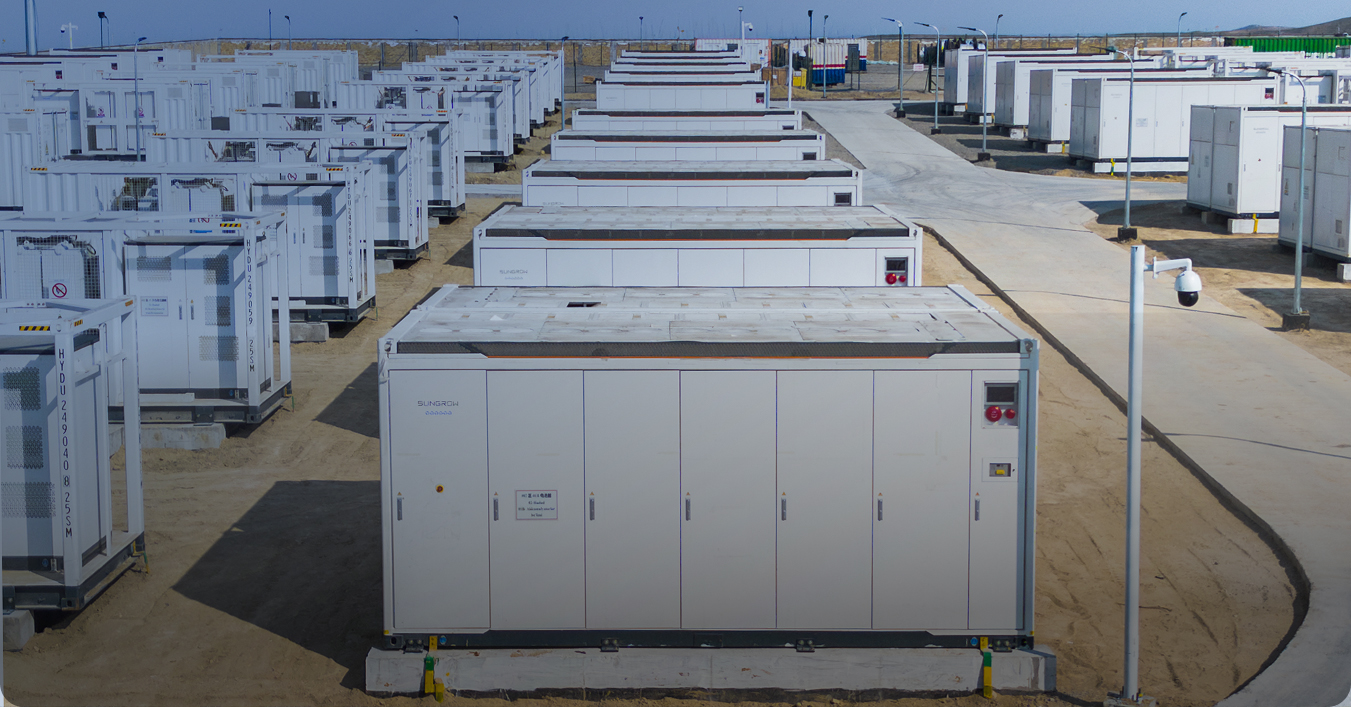
Let’s define the core: a utility-scale battery energy storage system is a modular assembly of batteries, inverters, controls, and protection intended to provide capacity, energy shifting, and ancillary services to the grid. I’ve audited projects where the hardware matched spec sheets but the control firmware couldn’t support frequency response at the required ramp rates. That mismatch shows up quickly in settlement reports and slowly in boardroom headaches.
From a comparative perspective, you must judge three things together: sustained availability under realistic ambient profiles, the true round-trip efficiency over seasonal cycles, and how the BESS handles partial SOC operations without accelerated degradation. I inspected two 100 MW sites in Texas in late 2022; one used conservative charge windows and lasted through a polar night event with minimal capacity fade. The other, optimized purely for peak arbitrage, suffered 12% extra capacity loss in nine months. See the difference? It’s not only hardware; it’s operational philosophy.
What’s Next?
Practically, I advise buyers to demand operational proof—not just model outputs. Ask for a year of telemetry from a like-for-like project, insist on thermal maps from peak months, and validate inverter firmware versions under your grid codes. We ran those checks for a Midwest utility in January 2023 and avoided a mis-sized PCS (power conversion system) that would have required a costly retrofit. Short sentence. Longer thought—this matters now.
Compare vendors by true delivered energy, not nominal ratings. A vendor that can show consistent SOC control, predictable degradation curves, and documented response to frequency events will save you downtime and reputational risk. I favor modular designs that allow cell-level isolation, and I prefer vendors who publish field failure modes (transparency matters). You’ll pay a premium up front, but you avoid repeated outages—and the political fallout that follows them.
Three Practical Metrics to Choose By
Here are three evaluation metrics I use when advising wholesale buyers: 1) Field-validated availability (%) over 12 months under peak ambient conditions; 2) Verified round-trip efficiency measured across seasonal cycles (not just a lab number); 3) Degradation profile tied to real operating patterns (partial depth-of-discharge cycles, SOC banding). These metrics expose the traditional solution flaws and the hidden user pains—maintenance headaches, thermal surprises, and firmware drift. I’ve seen procurement save millions by switching suppliers after this simple check.
Make them part of your contract. Insist on performance guarantees that link to measurable telemetry. If you do that, you buy resilience, not a marketing slide. Also, consider field service footprints and spare-parts logistics—those logistics failures are what really collapse expected availability. (Trust me, I’ve been called in at 02:00 a.m.)
I’ll close with three practical takeaways: quantify delivered energy, verify seasonal efficiency, and demand transparent failure data. Do that and you tilt the balance toward reliability. For procurement teams wanting a reliable partner, check the offerings from sungrow.