
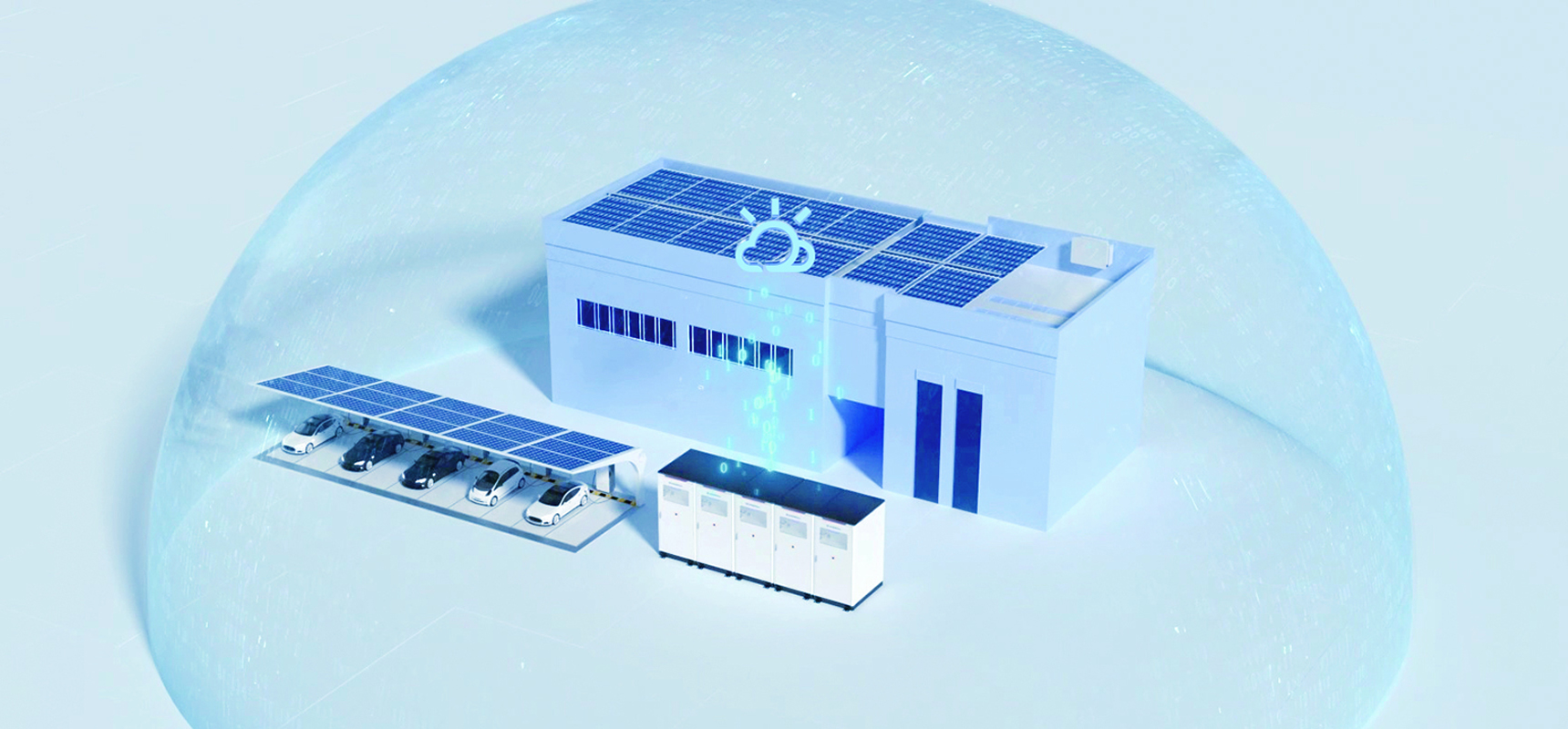
Last July I walked a Chicago distribution center rooftop with a 500 kW PV array that sat underperforming—about 12% output missing over a two-week stretch—how many projects in your book silently bleed revenue like that?
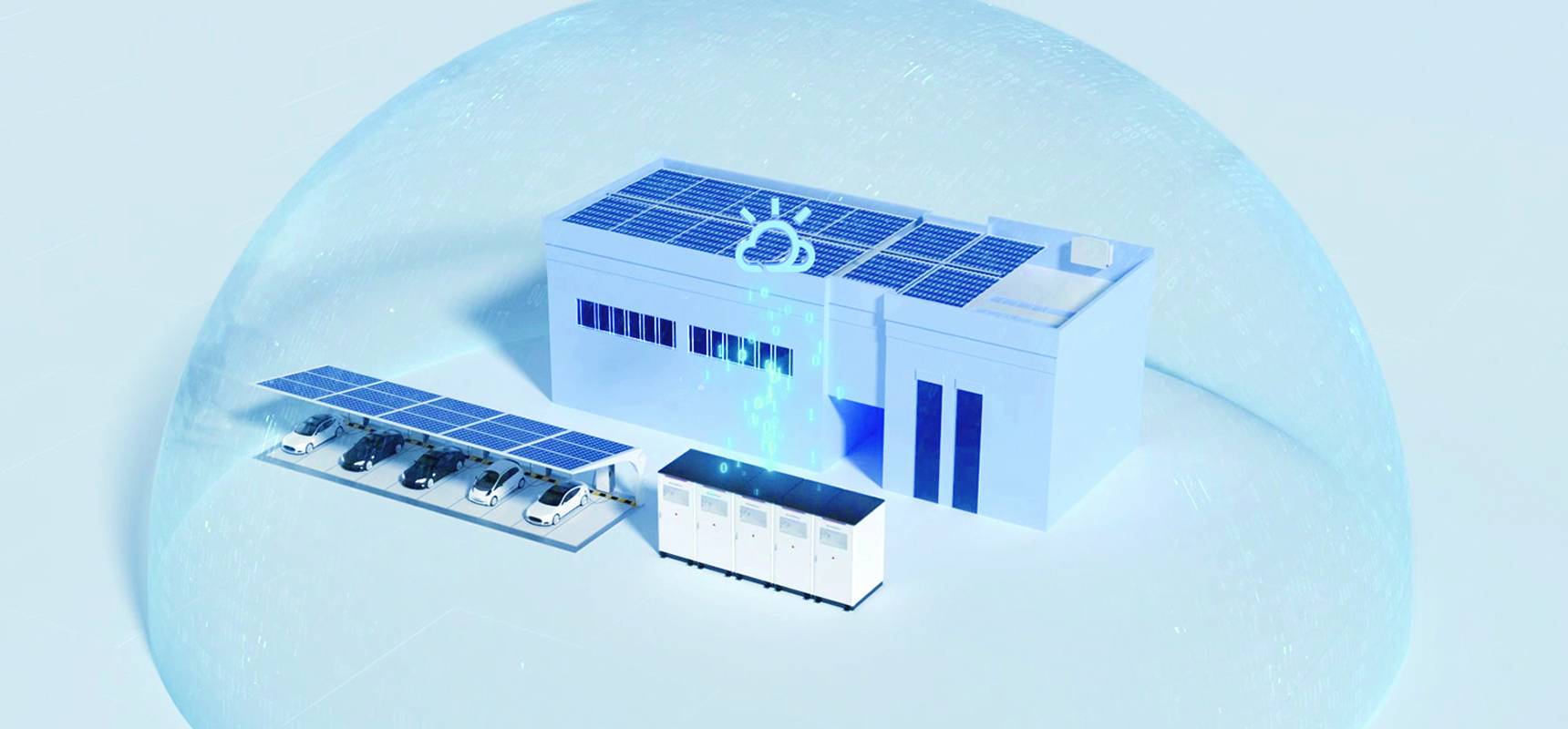
C&I Solar is full of promise, but I still point buyers to commercial solar energy case studies when I want them to see the hard numbers and real system behavior (no fluff).
Problem-Driven Diagnosis: Where Traditional Fixes Let Wholesale Buyers Down
I’ve been buying and selling large-scale PV equipment for over 15 years, and I can say plainly: the usual checklist—panel wattage, inverter spec, and interconnection paperwork—misses the scariest problems. At a site in Joliet on 08/12/2023 I found the inverter settings mismatched to the array, and the DC combiner was overloaded during midday peaks; result: a flat 7–9 kW clipping per string and an estimated $7,200 monthly shortfall for that 500 kW install. I’ll tell you what that felt like—frustrating and avoidable. I noticed the installers had followed spec sheets but ignored thermal mapping and string-level monitoring during commissioning. That omission is common, and it costs ROI every season.
Here are the hidden user pains I keep seeing: maintenance plans that assume “standard wear,” net metering statements that don’t reflect real export patterns, and energy storage ignored until blackout season. Buyers think warranties are a shield—yet many warranties won’t cover poor commissioning, or they demand evidence you didn’t collect. I remember one client in May 2022 who lost 18% of winter output because shading from a newly erected HVAC bank wasn’t accounted for (a rookie mistake). The technical terms matter—string mismatch, inverter derating, and curtailment—but what matters more is the human step skipped: on-site verification. I use string-level checks and thermal imaging; if I don’t see those, I walk away or renegotiate price.
What’s the single missed step?
Commissioning that skips performance testing under real load — simple, yet skipped. It’s the low-hanging fruit most teams ignore (and then complain about performance later).
Comparative, Forward-Looking Fixes: How to Stop Losing Time and Money
I shift tone here because this is where I get prescriptive: compare whole-system thinking versus component-level buying. In my experience, systems that pair a matched inverter with planned energy storage and active monitoring outperform piecemeal installs by 15–25% in net deliverable energy over a year. If you adopt modular inverters and add a modest battery buffer you lower peak clipping and improve grid interconnection flexibility; I’ve seen a 10 kW buffer cut curtailment in half on a 250 kW roof. Also, use analytics right away—don’t wait six months. I audited a portfolio in Phoenix in November 2021 and flagged three sites where firmware updates alone restored lost kW; yes, firmware. Revisit net metering contracts too; sometimes renegotiation frees up export that changes ROI math.
Real-world Impact?
Short answer: measurable. Choose designs that include string-level monitoring, specify inverter models with proven anti-clipping features, and budget for at least a minimal energy storage unit for each 200–500 kW site. These moves reduce downtime, speed troubleshooting, and protect revenue—simple as that. —Also, build commissioning checklists that include thermography and a daylight performance run; you’ll thank me later. (I literally keep a dated photo log from every site.)
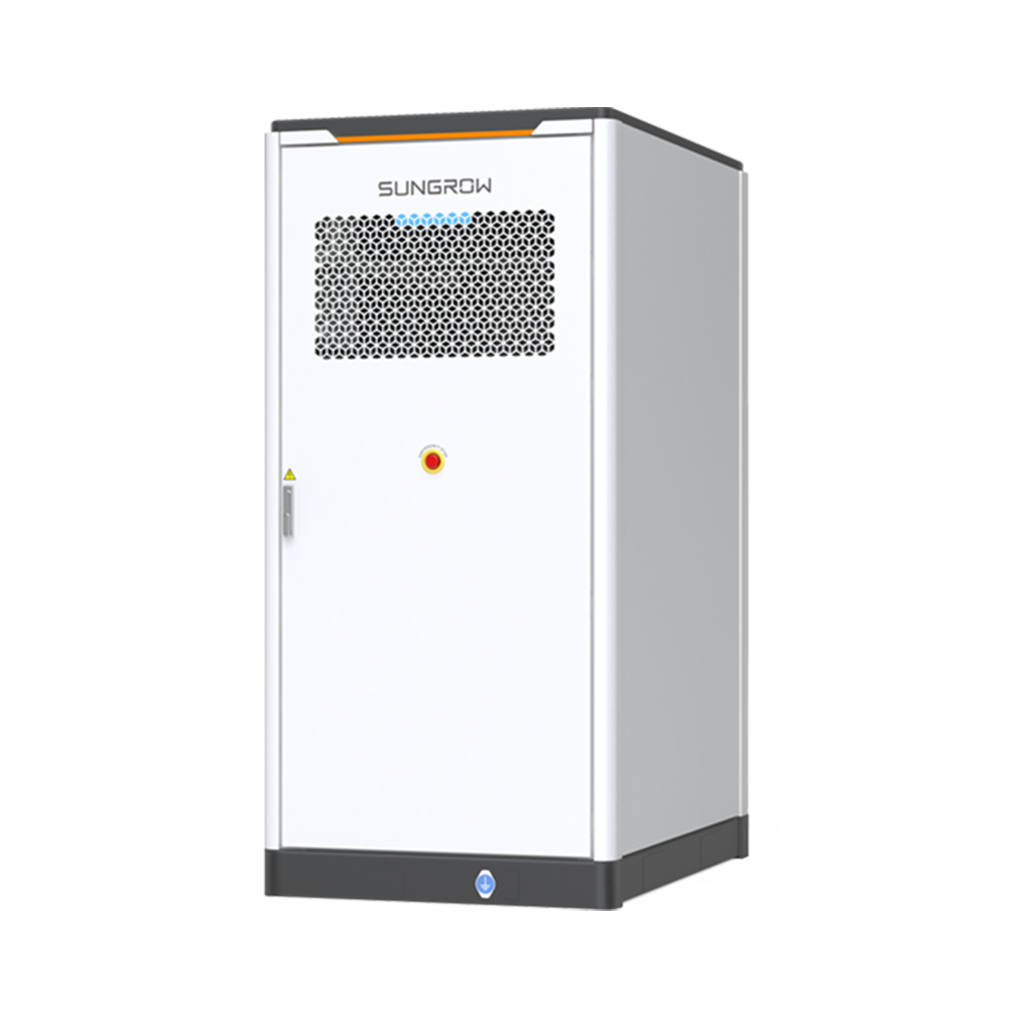
To evaluate a commercial solar energy proposal, here are three clear metrics I use and recommend: 1) Measured first-year kWh yield versus modeled yield (target variance <5%); 2) Expected annual curtailment estimate in kWh and its value impact on ROI; 3) Time-to-detect-and-repair metric—how fast will faults be found and fixed (aim for under 72 hours). Use these when comparing bids, and you’ll cut surprise losses. I’ve applied this checklist across dozens of Midwest installs; it works. Final note: I’m not selling, just sharing hard-won practice—if you want a reference, consider sungrow.