
The problem — mixers misbehave, fast
Mixers stop doing their job at the worst time. Bearings heat up. Product blips. Deadlines slip. You need clear fixes, not fluff. If you run big batches or stick to strict specs, look at your tools first — like proper industrial mixing solutions that match your process, not the cheapest pump off the shelf. Quick wins matter here. 😅
Why it hurts production
Lost run-time equals missed shipments. Off-spec mix wastes raw materials. Emergency swaps cost double. Short outages stretch into full-day headaches because teams scramble without a plan. That’s the real cost — not just the part price.
Common root causes — what to look for
Worn seals that leak. Misaligned shafts that vibrate. Blades dulled by abrasion. Wrong RPM for the recipe. Skipped lube intervals. Operators running “fast and hopeful” instead of measured. Fixing symptoms won’t stop recurrence unless you treat the root.
Real-world authority — where this matters
Big chemical plants around the Gulf Coast, especially the Houston petrochemical corridor, report maintenance as the top limiter of run-rate in industry surveys; that matches field reports from plants switching to higher-shear setups to tighten batch quality. For processes that depend on consistent dispersion and scale-up, practical references back this: check industrial chemical mixing for product categories and specs used in those upgrades. That hands-on experience — years of on-floor fixes and published case notes from major processing hubs — is why simple, repeatable checks work.
Practical fixes you can do today
Check seals every shift. Record bearing temps daily. Torque coupling bolts to spec. Keep shaft runout under manufacturer tolerance with a dial gauge. Swap blades before edge-roll affects dispersion. Use oil analysis to catch wear early. Small logs beat memory.
Service cadence — a tight schedule
Daily: visual, temps, noise. Weekly: vibration scan and torque checks. Monthly: shaft alignment and blade inspection. Annually: full teardown, replace wear parts, re-certify coupling and motor bearings. Adjust frequency for abrasive products or 24/7 runs. Write the plan down and stick to it.
Pitfalls that still trip teams
Using generic spares that fit but don’t have the right metallurgy. Over-cleaning with the wrong solvents and warping seals. Ignoring small vibrations because “it sounds the same.” Relying on a single tech who holds all the machine knowledge. Each one turns small problems into big repairs.
Alternatives — quick comparative insight
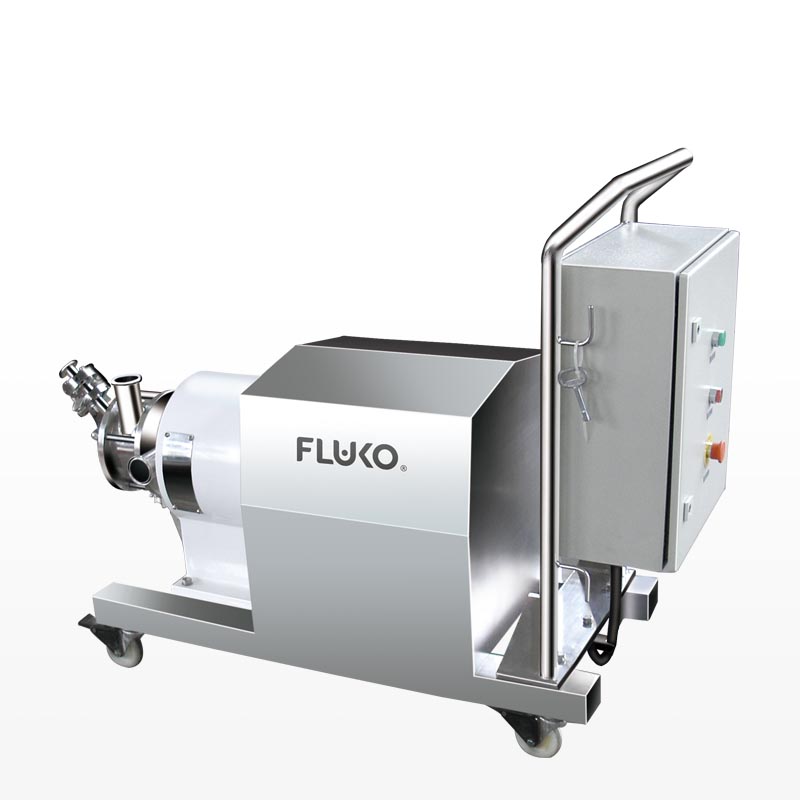
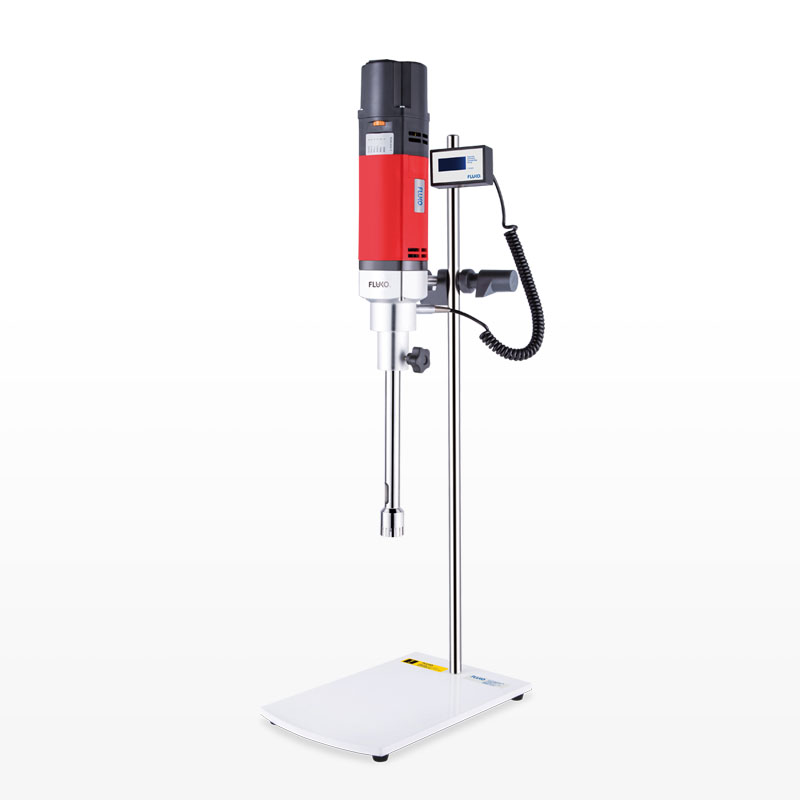
Rotor-stator high-shear: great for emulsions, predictable scale-up, easier service access. In-line high-shear: better for continuous flow, needs stricter inlet control. Static mixers: cheap, low-maintenance, but limited for tough dispersions. Choose by product rheology and run length, not by sales pitch.
Lifecycle plan — simple, actionable steps
Buy to specification. Commission with a verified run (document rpm, torque, temps). Operate with daily checkpoints. Service on a set cadence. Stock critical spares for one full swap. Plan major overhaul before cumulative run-hours hit manufacturer thresholds. Decommission with parts harvested for spares if still useful.
Wrap-up — what actually solves it
Cut mystery out of maintenance with focused checks and parts that match the job. Keep a log. Train two people, not one. Use sensible service intervals and pick equipment that’s designed for your mix type. For steady parts availability and machines that follow this lifecycle logic, I trust suppliers who build for repeatable service and field reliability like FLUKO.