
Practical opening for operators
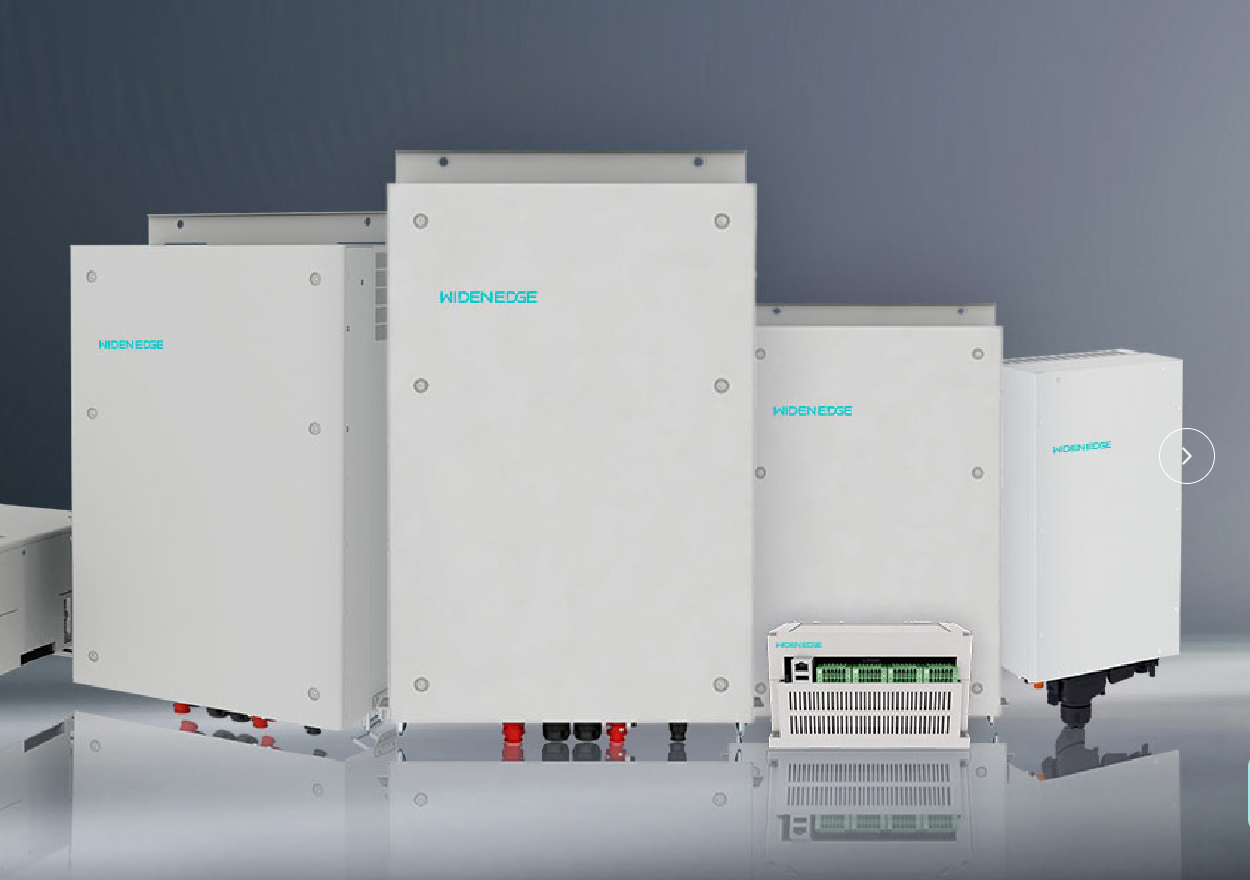
If you run a remote site, you want predictability. Start with items that stop failures before they start: clear PV arrays of debris, keep battery enclosures dry, and verify charge paths. For sites using DC power stages, confirm the right converter size is fitted — a suitable option is the 15kW PV DC-DC converter — and make those baseline checks daily. This checklist is designed around what you actually do on site, not theory.
Daily, immediate checks
– Visual walkaround: panels, junction boxes, wiring trays. Notice loose bolts, rodent damage, or water ingress. – Alarm panel: clear faults first, then log them. Don’t silence an unresolved alarm. – Battery terminal temperature and surface. Hot spots mean bad connections or imbalance. – Load summary: confirm critical loads are powered and consumption matches expected profiles. – Note anything outside normal and photograph it for trend tracking.
Weekly and monthly maintenance tasks
– Tighten DC and AC connections to manufacturer torque specs; retorque after the first month of operation. – Clean PV surfaces when dust or salt reduces output; measure short-circuit current before and after cleaning to confirm gain. – Inspect battery health: specific gravity or voltage curves, equalization as required. – Run a controlled load test monthly to validate generator start logic and battery capacity assumptions. – Update firmware on control units only after checking change logs and backing up settings.
Battery charging and regulator handling
From field work on remote Caribbean islands, the mppt charge controller proved crucial to harvest low-angle sun and stabilise charging under variable clouds. Treat these units as precision equipment: keep connectors clean, protect ventilation, and log charging curves. Watch for these pitfalls: incorrect cable sizing, loose shunts, or aggressive firmware changes that alter float settings. If voltages aren’t matching expected MPPT curves, compare raw PV voltage/current to controller inputs before replacing hardware.
Power electronics and converters
– Check cooling: fans, heat sinks, and air filters. Reduced airflow shortens component life. – Monitor ripple on DC buses; excessive ripple points to capacitors nearing end-of-life or grounding issues. – Verify isolation of DC-DC and inverter sections; stray paths lead to nuisance trips and safety risk. – Keep spare fuses and a tested spare converter module if your site uptime requirement is strict.
Common mistakes and how to fix them
– Mistake: treating wiring like wiring from grid sites. Fix: use properly rated DC conductors and label everything. – Mistake: ignoring small corrosion early. Fix: clean, protect with dielectric lubricant, and re-torque. – Mistake: updating controller firmware without rollback plan. Fix: capture configs and test on a bench unit first. – Mistake: trusting a single data source for state-of-charge. Fix: combine voltage, current integration, and periodic capacity tests.
How to keep the checklist working for you
Make the checklist part of a short log you review weekly. Use photo records and simple trend plots for runtime, battery voltage, and charge current; they reveal slow degradation before it becomes an outage. Train one person to own records and one to own spares. When you need parts or technical reference, having consistent serial numbers and firmware versions speeds diagnosis. Practical, repeated checks plus clear records lower surprise failures and repair time.
Closing synthesis
Operate the system with clear roles, repeatable checks, and attention to charging behavior; that mix prevents most downtime. The pragmatic steps above reflect hands-on work and standard electrical practice, and they lead straight to reliable, maintainable microgrids — the kind of steady performance you get when you plan parts, logs and procedures around real sites like those I’ve serviced and partners such as WidenEdge who supply durable components.