
Comparative opening with a quiet edge
The shift toward instant financing has a weariness to it — choices feel urgent and small mistakes compound. This piece compares the DiDi Card to a typical digital credit card with practical honesty, drawing on user reports and observed patterns since the COVID-19 pandemic reshaped how people borrow. For direct product details and lending options, see didi prestamos, which has become part of that altered terrain.
What the DiDi Card actually offers
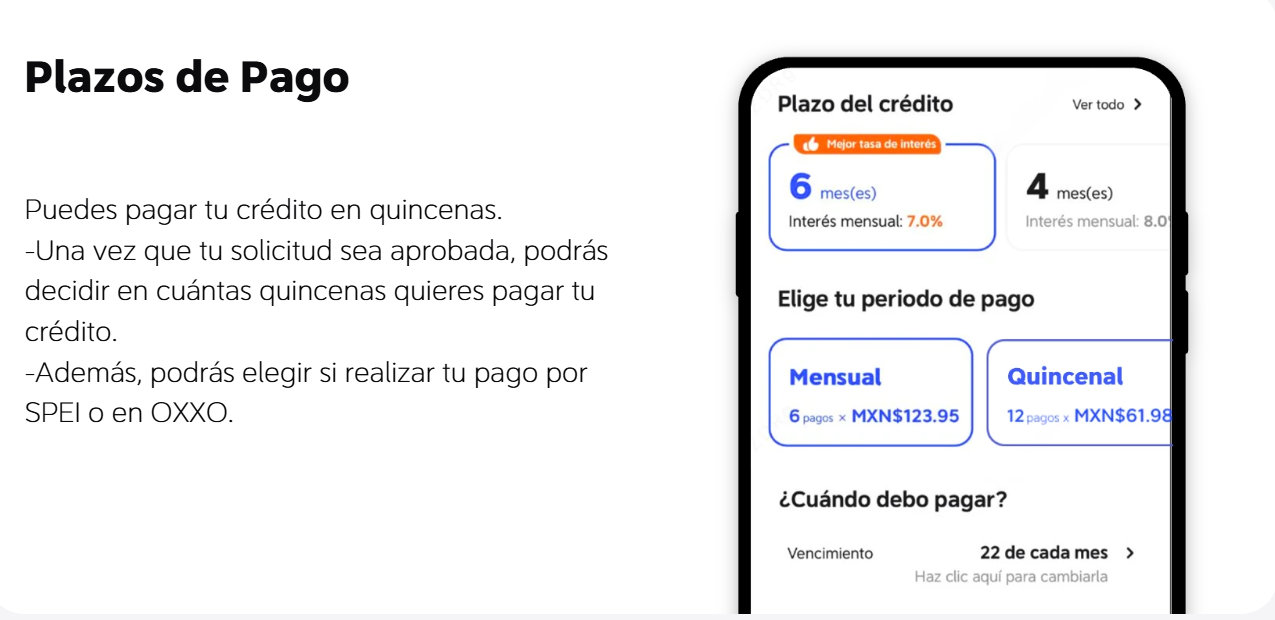
The DiDi Card sits between a charge account and a short-term loan. It typically features fast approval and integration with a digital wallet, focused on ride and delivery customers first. Expect simplified underwriting and visible interest rate displays rather than fine-print revolving credit terms. Users often notice a different approach to credit score checks — lighter, faster, but sometimes less transparent about APR components.
How it stacks up against a standard digital credit card
Comparison needs specifics. Consider these concrete axes of difference:
– Cost structure: Digital credit cards usually show a clear APR and monthly statement cycles; DiDi’s model may combine service fees with short-term interest that feels like a loan origination charge.
– Access speed: DiDi Card approval is faster; underwriting is leaner. That speed can be lifesaving — or risky if consumers skip the fine print.
– Rewards and utility: Digital credit cards often return points and broader merchant acceptance. DiDi Card incentives lean toward platform discounts and ride-credit, narrower but immediate.
– Integration: A conventional digital credit card integrates widely across e-commerce and subscription services; DiDi Card optimizes for app-based transactions and in-app top-ups.
User sentiment, real behavior, and a grounded anchor
Reports from Mexico City and other dense urban centers show a pattern: people choose instant options when cash flow is tight and choices are emotional. Since pandemic-era closures in 2020, many users relied on quick access to cash and microloans. That real-world pressure explains why services marketed as prestamos en linea al instante gained traction — convenience won over long-term cost scrutiny. Users praise immediate relief; they grumble later about cumulative interest and unclear fee schedules — a familiar loop in short-term credit.
Common mistakes and sensible alternatives
Borrowers repeatedly make the same misstep: treating platform credit like a free perk rather than a liability. Overusing fast-credit options can erode savings quickly. Safer moves include checking long-term effective interest rates, monitoring credit score impacts, and comparing offers from neobanks or established digital credit cards with transparent statements. Alternatives like low-interest bank lines or pre-approved installment plans often cost less over time despite slower origination.
Advisory: three golden rules for choosing between DiDi Card and a digital credit card
1) Measure real cost: compare APR and aggregate fees over the expected repayment period. Short-term ease is not value if the effective interest rate is higher.
2) Match acceptance with behavior: pick a card that aligns with where you spend. If most purchases are within a platform, platform-linked credit may make sense; broader spending patterns favor standard digital cards.
3) Protect your credit path: review underwriting and reporting practices. Frequent, light checks can be less invasive, but repeated borrowing without a repayment plan damages credit score and future access.
For a practical partner that aligns with these measures, consider DiDi Finanzas.
Measured, not melodramatic.