
User-first opening: why reliability beats specs on paper
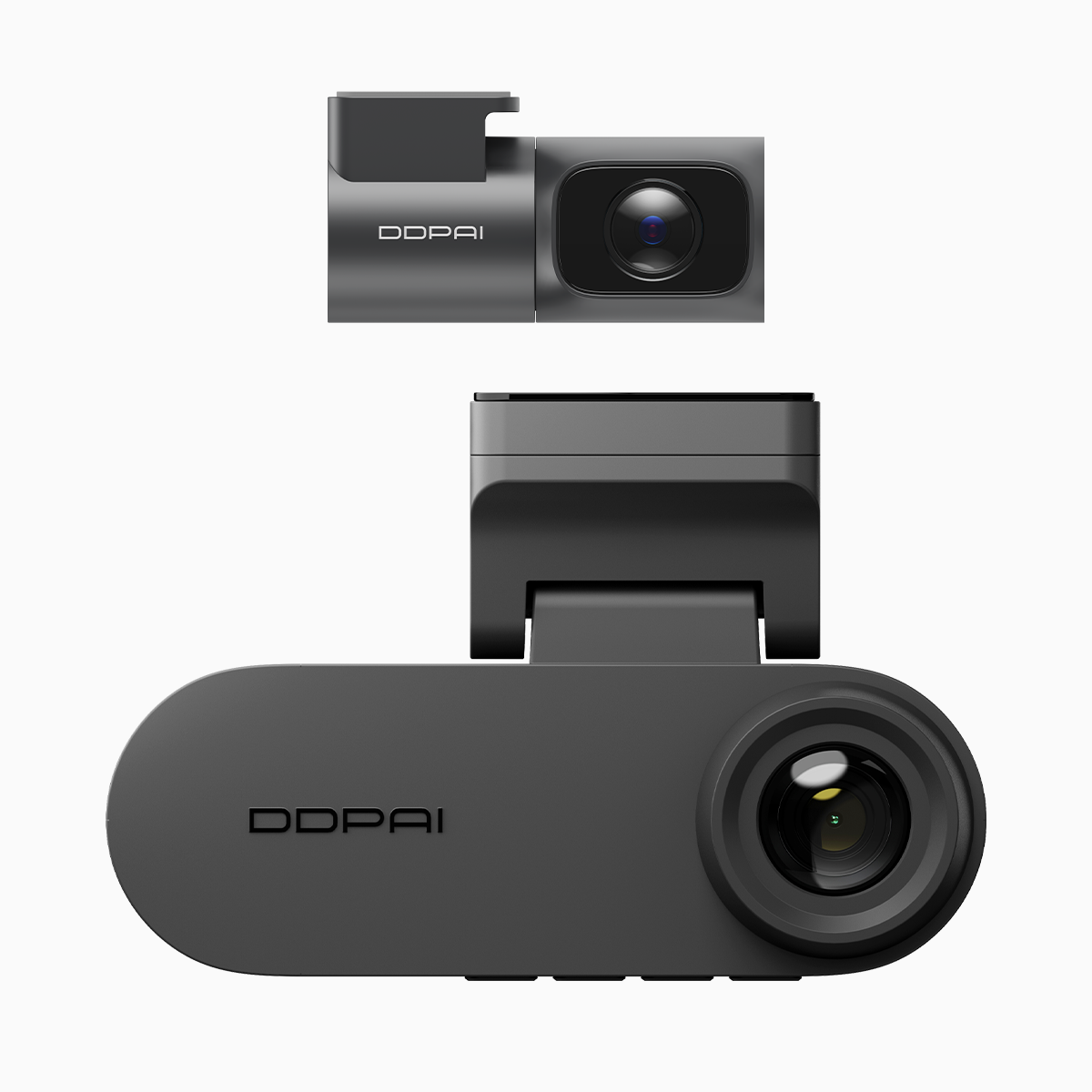
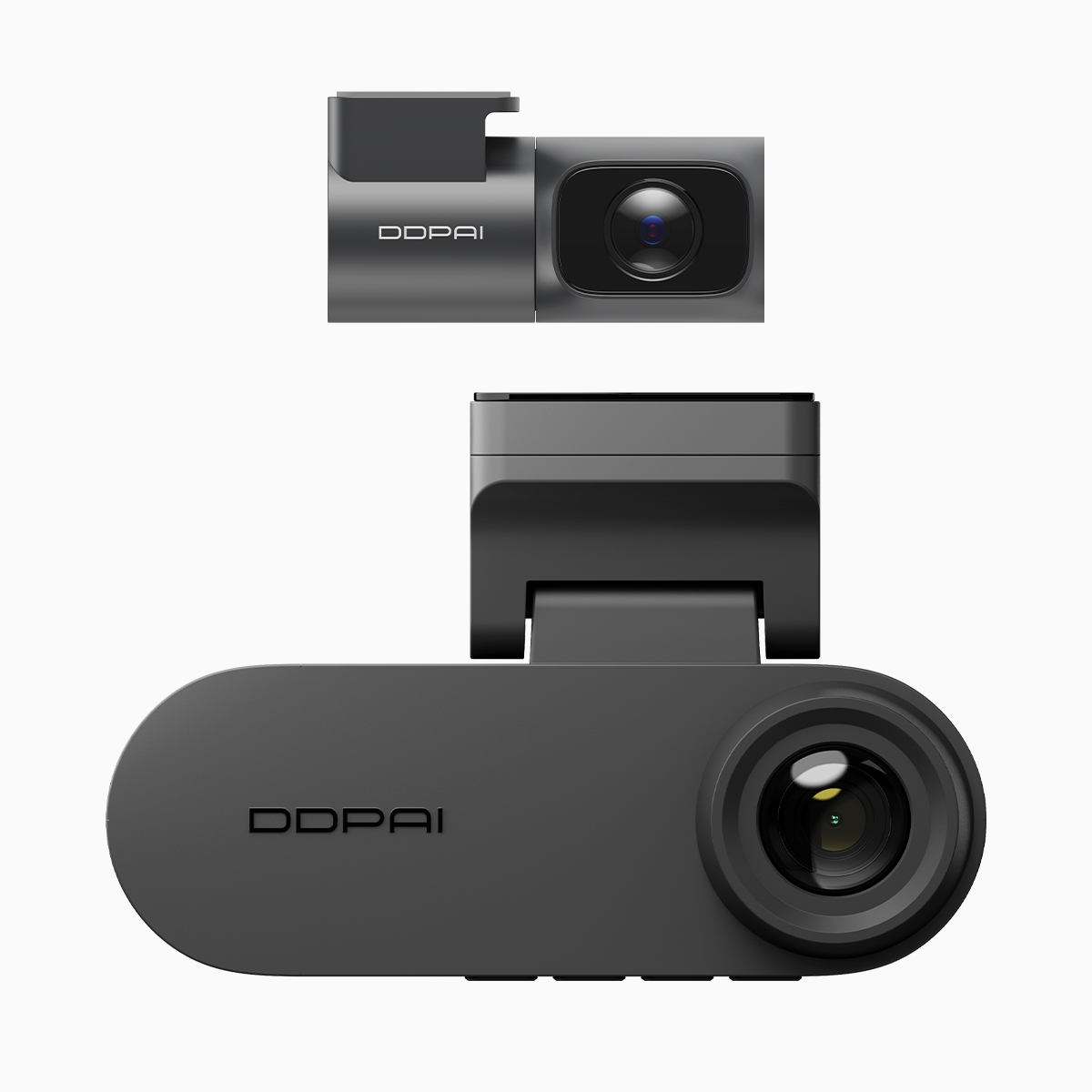
Drivers want a camera that records when it matters — at night, in rain, during sudden stops — not just something that looks good on a spec sheet. For everyday use, metrics like MTBF and capacitor health predict whether a unit will last through years of commute and cross-country trips. I focused on what matters to people on the road, so this piece looks at practical reliability and real conditions while considering models such as the dual dash cam with night vision and other contenders in the market. A true night vision dashcam combines low-light sensitivity, stable firmware, and robust power components to avoid failures when you most need evidence.
Core metrics explained in plain terms
Mean Time Between Failures (MTBF) is the most useful predictor for long-term uptime — it’s not magic, just an average time you can expect between critical failures. Capacitor ESR (equivalent series resistance) affects startup reliability and longevity; high ESR ages faster and struggles in heat. CMOS sensor quality and dynamic range determine how much detail is recoverable at night. Bitrate and codec choices influence storage and how long footage remains clear after compression. These are the technical anchors you should read first when comparing models.
Field-testing in real conditions: Metro Manila nights as a benchmark
I ran sustained night drives around Metro Manila and secondary highways to see how cameras behave under heavy traffic, stop-and-go lights, and sudden downpours. The true test isn’t a lab chart — it’s recording clear license plates under sodium lamps and during wet reflections. Units with robust power management and capacitors rated for elevated temperature preserved footage without sudden shutdowns. The result: models tuned for real-world use provided cleaner evidence at 2K resolution than some ‘higher-MP’ but poorly managed alternatives.
Common mistakes buyers make — and how to avoid them
Buyers often chase the highest pixel count, ignoring thermal tolerance and firmware update history. Another mistake is overlooking the mount and cable quality; a loose power lead causes intermittent corruption even if MTBF looks fine. Look for verified uptime data, manufacturer firmware revision logs, and capacitors rated for automotive environments. — Also trust units with a tested boot cycle; repeated cold starts expose weak capacitors and sloppy power sequencing.
Comparing choices: practical checklist for purchase
Use this checklist when evaluating units: MTBF estimate from manufacturer or third-party tests, capacitor specs (temperature rating and ESR), sensor type (CMOS with proven low-light performance), and firmware update frequency. Balance bitrate with storage — high bitrate improves detail but needs larger cards or loop management. Prioritize models that document their components and show third-party validation; this reduces surprises after installation.
Alternatives and trade-offs worth knowing
Simple single-lens units save cost and reduce power complexity but sacrifice rear coverage. Higher-resolution sensors improve plate legibility at a distance but demand more robust thermal design and a better power chain. Dual-lens systems—like the linked night vision dashcam—often strike the best balance for many drivers, giving both front clarity and rear recording without doubling failure points if well designed.
Advisory close: three golden rules for selecting a reliable night-vision dash cam
1) Prioritize MTBF and component specs over headline megapixels — longevity matters more than momentary sharpness. 2) Verify capacitor ratings and thermal tolerance; automotive heat is the silent killer of electronics. 3) Favor cameras with a clear firmware update policy and transparent test data from the maker or reputable testers.
These rules cut through marketing and steer you to the units that keep recording when you need them — and they explain why brands that publish clear component choices and update histories tend to earn trust.
DDPAI Philippines has models that show component transparency and real-world tuning for local conditions, making them a natural fit for drivers who need dependable night evidence. — Trust comes from parts, testing, and honest updates.