
The Quiet Fractures in Commercial Solar Energy Deployment
I remember walking onto a flat roof in downtown Phoenix at dawn and watching a newly commissioned PV array hum alive, panels sweating in the heat—an ordinary scene that later taught me an uncommon lesson. Within that first week the array produced 68% of the daytime load (seasonal tilt and cloud cover accounted for the rest)—if we multiplied that performance across a campus of 20 sites, how much grid dependency would vanish? C&I Solar projects, especially those tied to commercial solar energy, promise cost certainty, yet I’ve seen the promise fray because of hidden user pain points and process gaps.
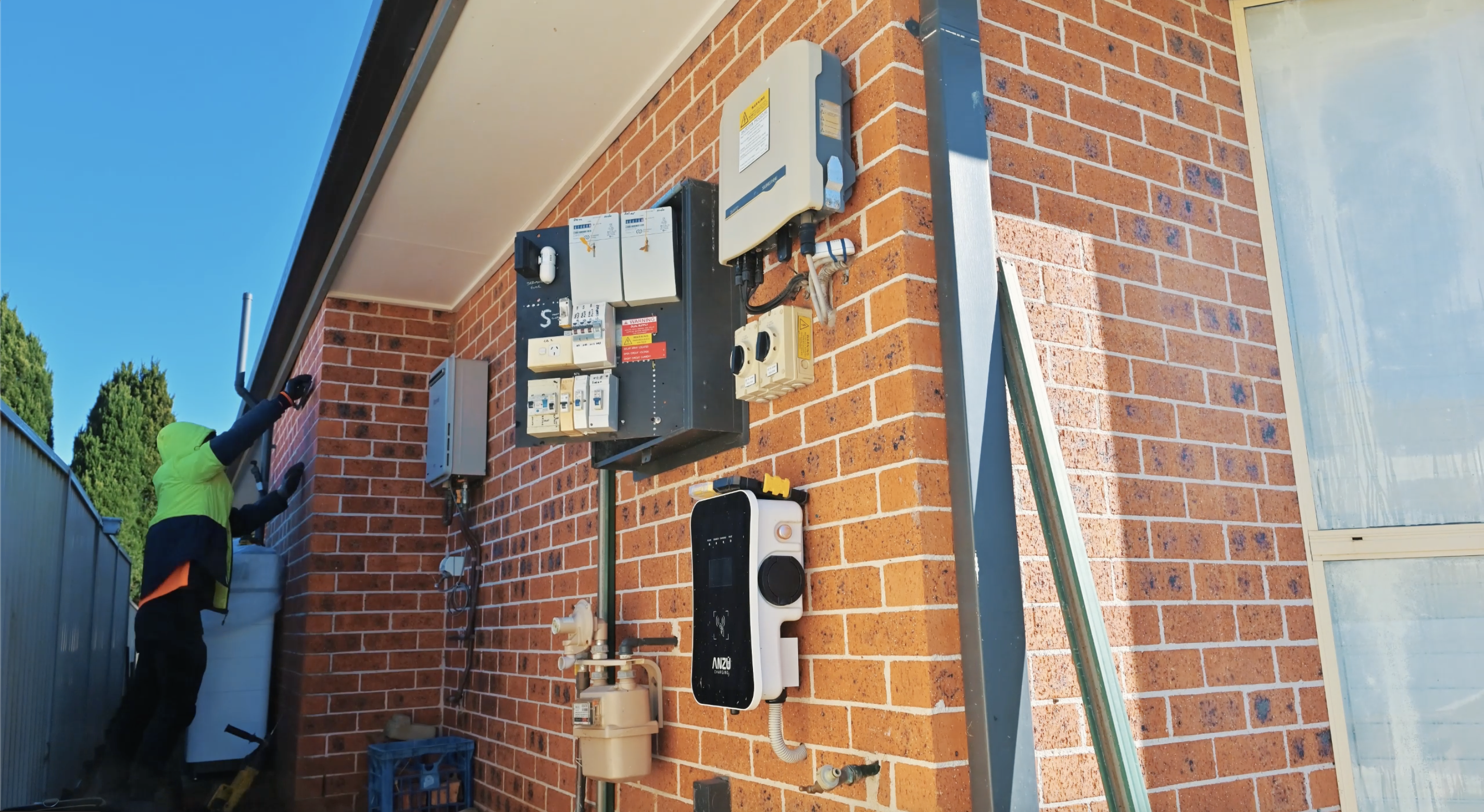
I’ll be blunt: most failures aren’t in the modules or the inverter hardware—they’re in the assumptions we build into procurement, operations, and billing. I vividly recall a 250 kW Sungrow inverter-based PV array I helped install on a warehouse roof in June 2021 in Phoenix; the system trimmed demand charges by 38% in its first 12 months, but only after we rewired controls and revised the PPA schedule—an oversight that initially cut output by 12%. (Yes, details like the controls logic and metering location matter.) The traditional approach—spec-sheet procurement followed by “set it and forget it” commissioning—masks three deeper frictions: misaligned incentive structures, opaque metering practices, and oversimplified storage integration. These frictions create unpredictable cash flows, and they erode stakeholder trust long before the warranty expires.
Why do systems underdeliver?
Because we often design around ideal irradiance charts rather than the real rhythms of a facility: shift patterns, seasonal loading, and maintenance windows. I’ve fielded calls at 2 a.m. about shed loads tripping because nobody modeled the interplay between battery storage and building control systems. The pain point is operational — not purely technical — and it demands different thinking, not just different gear. — Let’s move to how we translate those lessons forward.
Looking Forward: Comparative Paths for C&I Solar Adoption
Here’s a frank claim: the next decade will reward systems designed as business-process tools, not merely electricity generators. Commercial decisions about commercial solar energy will hinge on how well a solution aligns with billing cycles, asset management, and load-shaping strategies. I’ve compared three common paths in dozens of projects: pure PV plus simple monitoring, PV with on-site battery storage and smart controls, and integrated campus solutions that combine PV, storage, and demand-side orchestration. Each has merit; each fails when one ignores the human workflows that run the buildings.
What’s Next?
From my vantage (over 15 years working in commercial energy deployments), I advise teams to evaluate solutions against these three pragmatic metrics: measurable grid-cost reduction (kW demand shaving as percentage), uptime for critical equipment (percent hours available), and integration readiness (ease of tying into existing BMS and billing). For example, when we changed the control hysteresis on a client’s battery storage system in October 2022, their peak demand dropped 22%—and payroll reconciled with the savings the following month. Short story: pick metrics that map to invoices and operations, not marketing slides. Yes, this is less glamorous. It works.
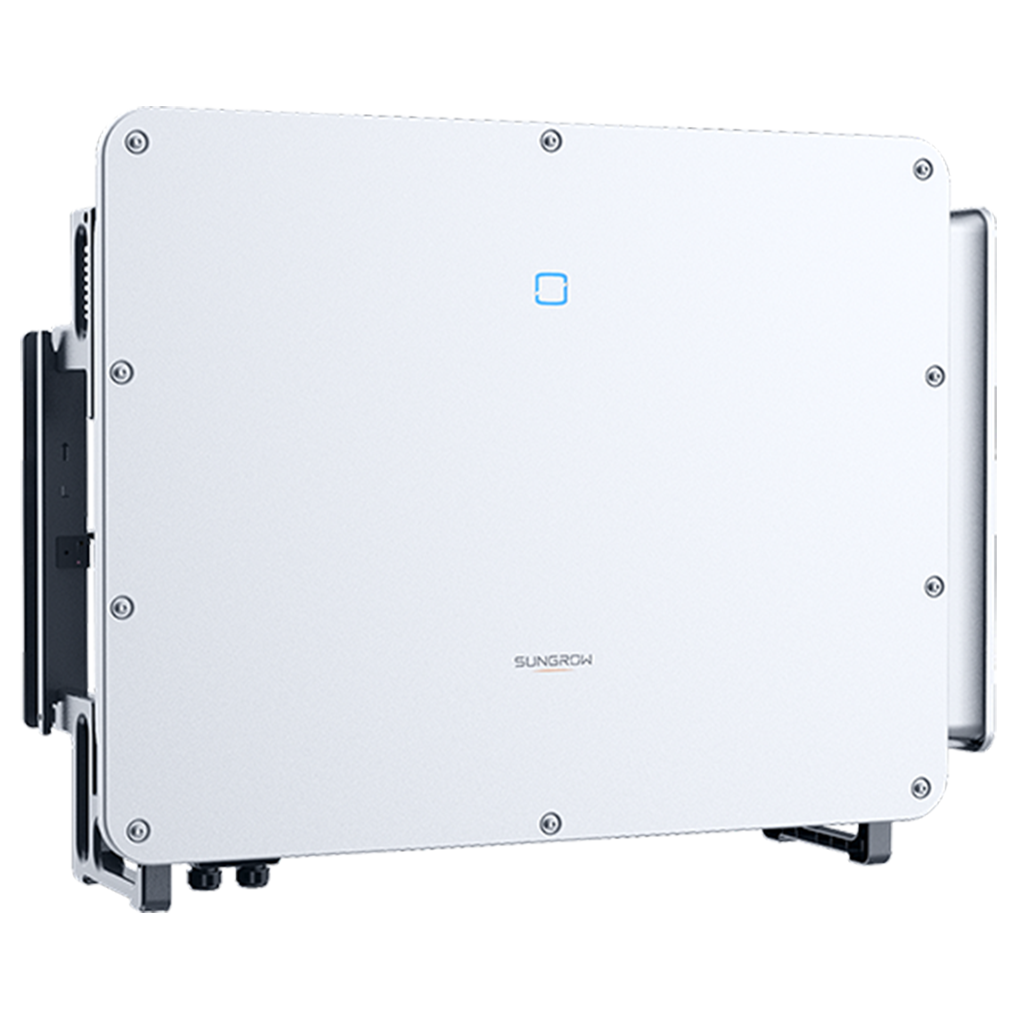
In closing, weigh solutions by outcomes you can validate quickly, quantify over 6–12 months, and audit against the three metrics above. I’ll keep iterating on designs, and I expect practitioners who treat commercial solar energy as a systems problem (not just a capex line) to reap the measurable rewards. — For guidance grounded in field experience, see how proven manufacturers and integrators are aligning hardware with workflows at sungrow.