
Opening: why myths cost money
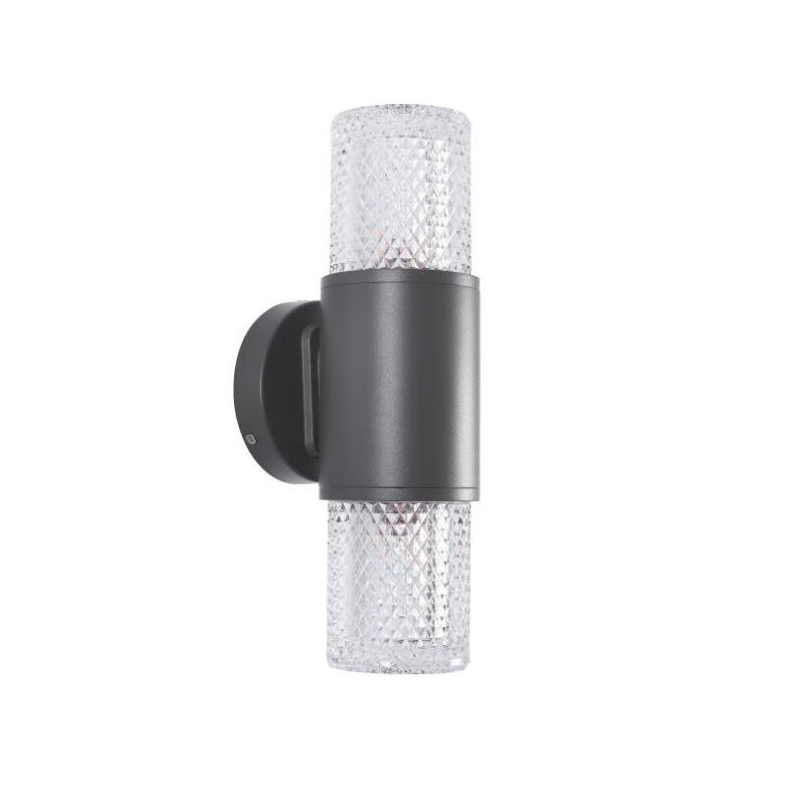
Many facility managers and specifiers assume that a high IP number alone guarantees long service life for outdoor luminaires — but that is not true. A correctly specified led outdoor wall sconce needs both proper ingress protection and robust driver design to perform reliably in harsh exteriors. The myth that “IP67 solves everything” ignores thermal management, corrosion, and electrical stress that shorten driver lifespan. If you design, procure, or maintain commercial lighting — think campuses, transit hubs, or hospitality exteriors — separating fact from fiction will save both downtime and replacement budgets.
Common myths about IP and driver longevity
Here are the frequent misconceptions:
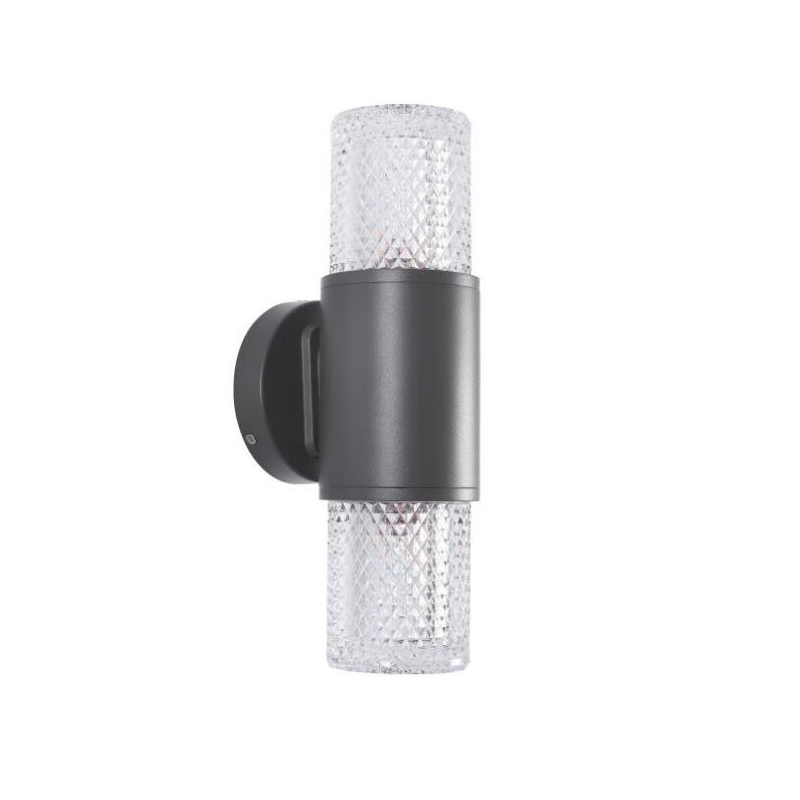
– Myth: Higher IP always equals longer life. Reality: IP is about particulate and water intrusion but says nothing about heat dissipation, surge immunity, or material corrosion. – Myth: Sealed fixtures never need maintenance. Reality: Seals age, gaskets deform, and condensate can form inside — especially with temperature swings. – Myth: Any LED driver will do if the fixture is waterproof. Reality: Drivers differ in thermal design, surge protection, and power factor — all affect longevity.
How IP ratings actually work (quick primer)
IP ratings follow IEC 60529. The first digit covers solid ingress (dust), the second covers water. Common selections for outdoor wall lights are IP65 (protected against water jets), IP66 (powerful water jets), and IP67 (temporary immersion). Selecting IP66 vs IP65 is a decision based on expected exposure — coastal promenades or areas with high-pressure cleaning need higher resistance. Note: IP ratings do not measure resistance to salt spray, UV degradation, or mechanical corrosion — separate tests or material choices cover those risks.
Driver longevity: the real technical drivers
Driver lifespan depends on several interacting factors: thermal management, electrical stress, surge protection, and component quality. Thermal management is crucial — heat accelerates lumen depreciation and electrolytic capacitor wear. Good drivers use thermal foldback or temperature-compensated current to protect LEDs under high junction temperatures. Surge protection and robust input-stage components limit damage from lightning-induced transients or utility switching. Power factor and harmonic distortion do not directly shorten driver life but indicate quality of the internal design — poor designs often hide other reliability compromises.
Material and housing choices matter — especially aluminum
Die-cast housings and corrosion-resistant coatings are more than aesthetics. Aluminum dissipates heat well and, when specified with appropriate finishes, resists coastal corrosion. For environments like Singapore’s Marina Bay or seaside retail strips, choose fixtures with marine-grade coatings and stainless fasteners. Also consider gasketing and drainage design — a slight weep-channel can prevent trapped condensate that otherwise corrodes connections. For many commercial jobs, choosing aluminum outdoor wall lights with proven finishes reduces lifecycle costs.
Design and installation practices that actually extend life
Practical steps that work on real sites:
- Match driver thermal ratings to fixture thermal path: confirm Tc point temperatures during commissioning.
- Specify surge protection appropriate to local lightning/utility profiles — often a 10–20 kA SPD is justified in exposed sites.
- Use breathable, hydrophobic venting where full sealing would trap heat — this balances ingress protection and thermal relief.
- Confirm gasket materials for low-temperature flexibility and UV resistance; silicone over neoprene often lasts longer outdoors.
These steps are inexpensive compared to repeated driver replacements — and they are practical on municipal and commercial contracts.
Testing, verification, and common mistakes
Too many specifiers stop at catalog specs. Insist on verification: ingress tests, salt-spray if applicable, and thermal cycle testing. First-article testing with the actual LED module and driver under expected ambient conditions prevents surprises. A common error — approving fixtures with no on-site thermal measurement — leads to premature lumen loss. Also, do not confuse manufacturer burn-in (short bench runs) with realistic multi-season testing.
Maintenance regime and monitoring
Maintenance is still necessary even with high IP ratings. Scheduled inspections to check gaskets, fasteners, and cable glands double as opportunities to log driver operating temperatures. Consider adding simple remote telemetry for larger networks: driver current, temperature, and AC input events can predict failures before dark. This predictive maintenance approach reduces emergency lamp-outs and can extend mean time between replacements.
Quick comparative checklist for procurement
When evaluating vendors, score each on:
- IP verification method and certificate (IEC 60529 tests).
- Thermal design data and Tc point verification results.
- Surge protection rating and warranty on electrical components.
Use these three items as the shortlist filter — they separate marketing from measurable reliability.
Advisory: three golden rules for specification and procurement
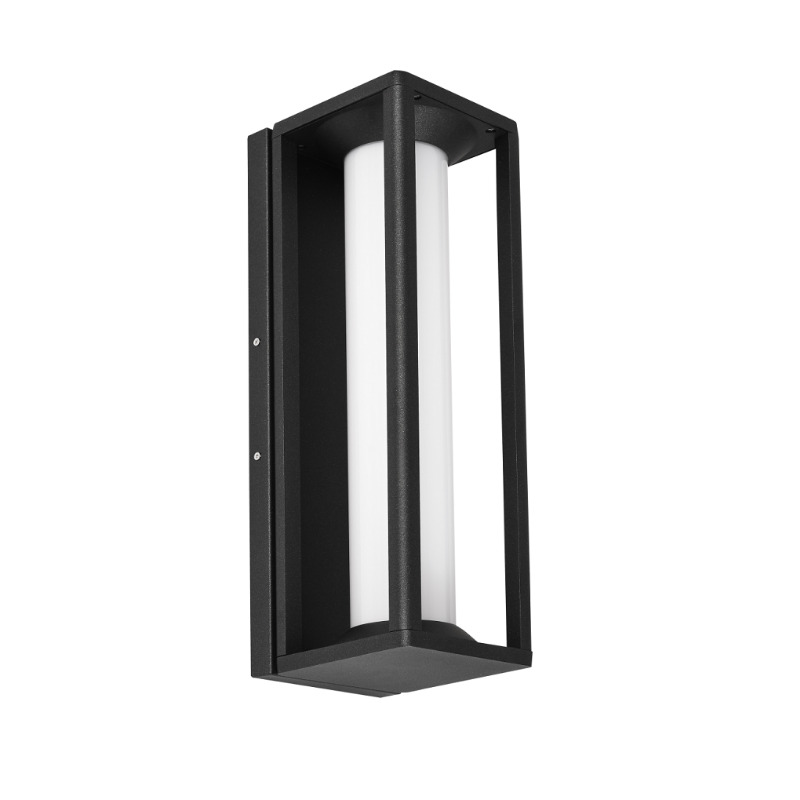
1) Prioritize thermal-path verification over headline IP numbers — measure Tc under realistic ambient loads. 2) Require minimum surge protection and component-level specs (electrolytic cap life, driver topology) in the bid. 3) Specify materials and finish protocols for the actual environment — salt, UV, and chemical exposures change choices radically.
Follow these rules and you reduce unplanned replacements and lower total cost of ownership. Municipal projects after events such as the 2012 London Olympics reinforced that robust specification and on-site verification matter; large installations that combined appropriate IP, thermal testing, and quality drivers lasted far longer with fewer failures. Keyida. —