
Introduction: a messy little print, a surprising spike, and a question
I was once in a makerspace where a perfect little figurine came out of a printer — and the room smelled like burnt popcorn for hours. In that exact second I thought: we need a better 3D printer fume extractor (and maybe snacks that don’t char). Small studies show particulate readings nearby can jump several times above room background when printers run, and VOCs can make the air noticeably harsh. So, if your build chamber is producing a micro-smog, what do you actually change first? (Hint: it’s not always the loudest fan.)
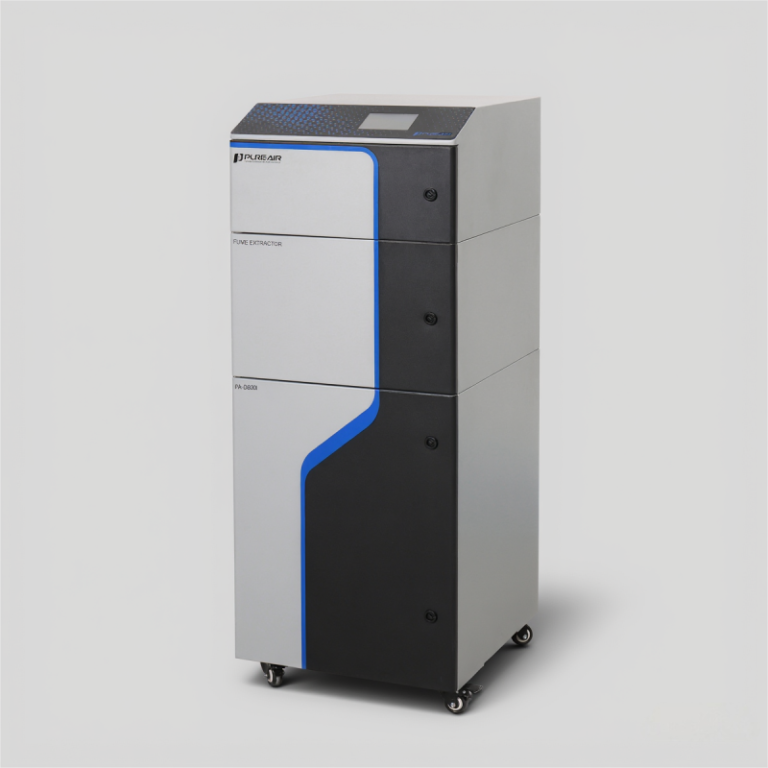
Here I’ll walk through what’s going wrong, why common fixes fall short, and what realistic upgrades look like — with a little sarcasm and a lot of practical sense. Ready? Let’s get past the smell and into the mechanics.
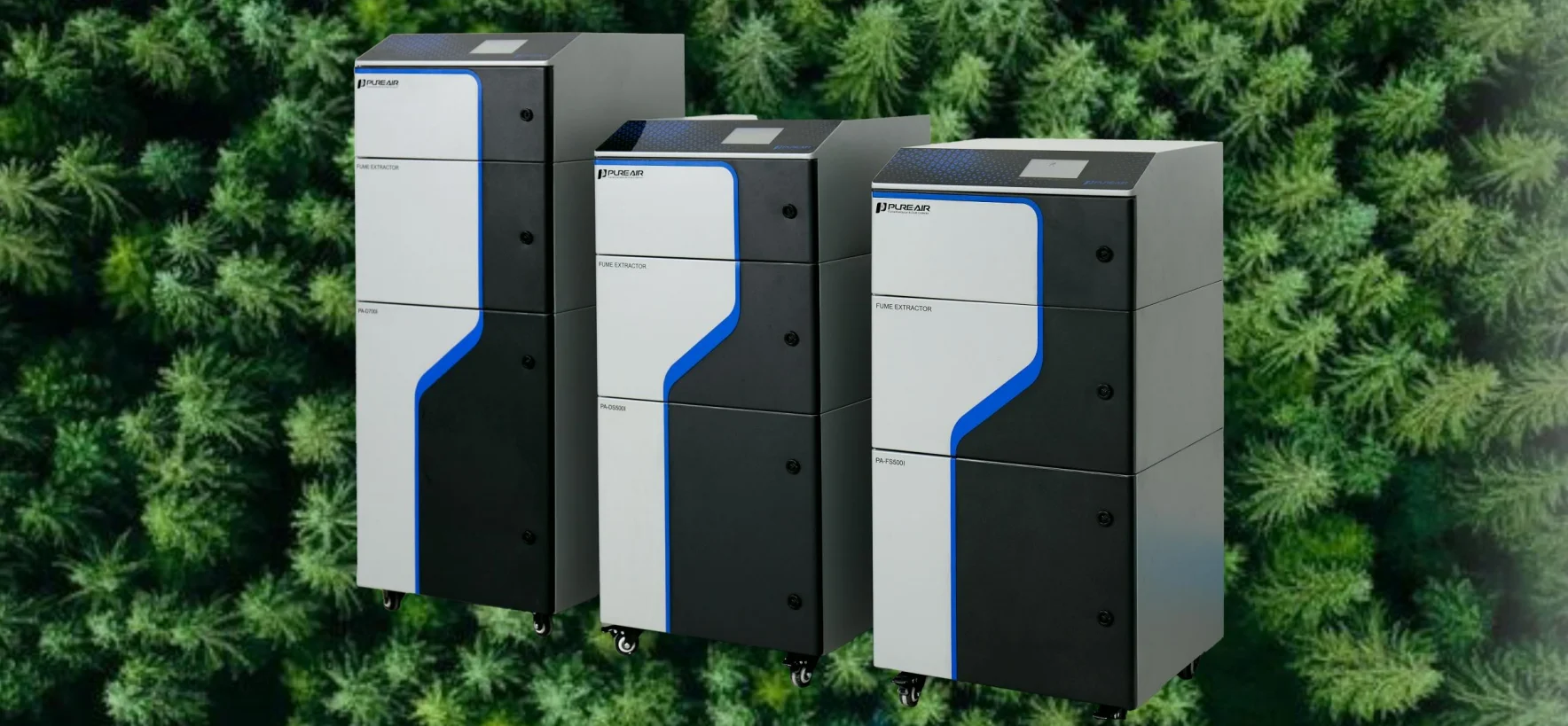
Part 2 — Where the usual fixes fail: deeper flaws in 3D print dust collection
3D print dust collection systems are sold like magic patches: slap on a filter, turn on the fan, problem solved. But I’ve seen three repeat offenders. First, people assume any filter is good enough; HEPA filters vary by grade and true filtration efficiency matters. Second, airflow rate is often treated as “more is better,” which can drop capture at the nozzle if the flow is poorly directed. Third, activated carbon cartridges get saturated and are ignored until they stink — then they stop adsorbing VOCs effectively. Look, it’s simpler than you think: direction, filtration type, and maintenance matter much more than raw power.
So what goes wrong in practice?
Technically speaking, many small enclosures suffer from turbulent flows that toss particulates around instead of guiding them into the capture path. That is, the fan creates eddies; eddies spread particles; particles escape. Also, people mix up capture velocity with room ventilation. You need local capture near the emission point plus sensible room air changes. I’m not saying every setup needs a lab hood — but I’ve watched prints puff PM2.5 into the room while a big exhaust simply diluted the mess. — funny how that works, right?
Part 3 — Looking forward: principles for smarter extraction and next steps
Here’s the forward-looking part: smarter 3D print fume control is about systems thinking. Use targeted capture (hoods or shrouds close to the nozzle), pair them with the right filters (HEPA for particulates, activated carbon for VOCs), and control airflow so you don’t create counterproductive turbulence. Add sensors that watch particulate matter (PM2.5) and trigger higher capture when prints go active. This is not rocket science; it’s engineering discipline applied to a tiny workspace. I’d put emphasis on modular designs too, so retrofits are possible without tearing out the whole bench.
What’s next — practical measures and metrics?
Move toward smart extractors that combine local capture, replaceable filter cartridges, and simple sensors that tell you when to change parts. Measure performance by capture efficiency at the nozzle, filter life (hours to saturation), and real-world reduction of room PM2.5. Those three metrics tell you if a solution is working or just loud. We tested setups where capture efficiency improved threefold with a small hood and well-placed fan — surprising results, but measurable. — I still find that kind of progress pretty satisfying.
To wrap up with a few honest takeaways: evaluate devices on capture efficiency, filtration type and life, and real-time monitoring capability. If you keep those three in mind, you’ll avoid many common traps and breathe easier. For practical, field-ready options and further reference, check out PURE-AIR.