
Why this matters to you — quick and plain
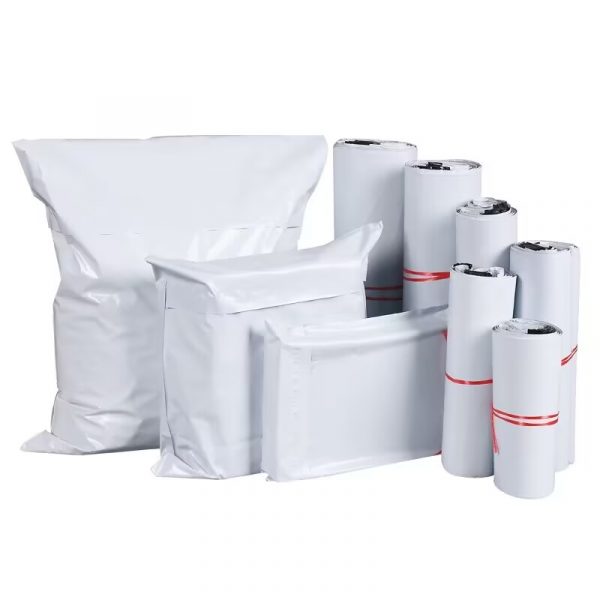
If you’re sending products and want them to arrive tidy and dry, the choice of mailer matters right from material spec to porch delivery. Start by looking at suppliers of eco friendly poly mailers — they’ll list gauge, lamination and recyclable content up front — and match that to what your customers expect. These days, after the 2020 supply-chain disruptions, brands can’t afford surprise returns or damp complaints, so consider durability and handling as part of your brand promise. Many folks also search for eco friendly shipping bags that balance puncture resistance with branding options; choosing wisely saves time and cash further down the line.
What you, the sender, actually need to check
Think like the person who’ll pick up the parcel from the porch. Ask for these concrete specs: gauge (thickness), puncture resistance rating, seam type, heat-seal method, and whether the bag uses recycled LDPE or a barrier lamination. Those details aren’t fancy — they’re functional. For instance, embossed or high-relief logos can thin a seal area if not accounted for, so insist on sample runs before full production. If your product is sharp-edged or heavy, don’t assume a generic poly bag will do; you’ll need higher tensile strength and possibly an internal cushion layer.
Simple tests to ask your supplier for — and what they prove
Suppliers should offer basic QA tests; if they don’t, walk away. Ask for:- Puncture resistance testing (drop or probe test) showing joules or force values.- Water barrier checks — submersion or spray tests that show no seepage at seams.- Heat-seal peel tests to confirm seal integrity under expected temperatures.These are straightforward checks that confirm the bag’s performance on the road and in a wet driveway. If the supplier provides batch certificates, you’ve got paperwork to fall back on when a delivery goes awry.
How branding and logo placement affect durability
Printing and logo treatments are part of the design brief — but they can weaken a bag if done recklessly. Full-surface coatings or heavy ink layers can alter flexibility and stress points; metallised finishes may reduce recyclability. If you want a large printed logo, ask about flexographic versus gravure printing and whether the inks will compromise the heat-seal area. Get a prototype with your actual logo applied and run it through the same handling and puncture tests you’d use for a plain mailer. That way you avoid remakes and delays — which, mind you, are common when folks skip prototype checks.
Common mistakes sellers make — and how to dodge ’em
Most problems come from assumptions. Common slips include assuming gauge equals strength, underestimating corner stress from bulky items, and skipping first-article inspection. Don’t forget shipping conditions: winter post can be rougher on seals than summer. Also, don’t over-design: extra layers add cost and sometimes bulk that raises postage. A practical approach is to match product geometry to a tested mailer spec, not the other way round — that keeps costs sensible and performance reliable. —
Alternatives worth considering
If standard poly mailers won’t cut it, consider:- Padded biodegradable mailers for fragile items (adds cushioning).- Multi-layer laminate bags with dedicated moisture barrier for liquids.- Reusable mailers for subscription or return-heavy models.Each choice trades off cost, carbon footprint and end-user convenience. For high-volume runs, recycled LDPE mailers with a simple barrier coating often give the best balance of puncture resistance, water barrier integrity and postal affordability.
How to evaluate samples — three practical checks
When samples arrive, run these quick, user-focused checks:1) Try a fold-and-press along the seal — look for micro-tears. 2) Place the product inside and simulate drop/slide on concrete or gravel to test puncture resistance. 3) Spray water along seam and open after an hour to check for wicking or seepage. Record results and compare against supplier claims — solid data beats sales-speak every time.
Golden rules for procurement (and a short shopping checklist)
Keep it simple: ask for documented specs, require a prototype with your logo in place, and insist on batch QA or certificates. Here’s a compact checklist to hand to procurement or your supplier rep:- Required gauge and puncture rating- Heat-seal type and peel strength- Logo treatment and distance from seals- Recycled content and recyclability notes- Lead time and contingency for supply delays
Advisory close — three critical metrics to choose by
When you compare suppliers, measure against these three metrics and nothing vague:1) Consistent lead-time adherence — average on-time delivery over the last 12 months. 2) Verified puncture resistance — lab or field test values that match your product profile. 3) Seal integrity data — heat-seal peel strength and batch QA records. If a supplier can’t or won’t provide those, they’re not ready for serious retail. For brands that want the practical mix of eco credentials, tested barrier performance and reliable lead times, a trusted partner makes all the difference — and you’ll find that balance at WH Packing. —
Right, that’s your roadmap — practical, tested, and made for getting parcels to porches without muck-ups. A proper bit of kit saves you returns and keeps customers happy. —