
Why procurement decisions fail (an on-the-floor view)
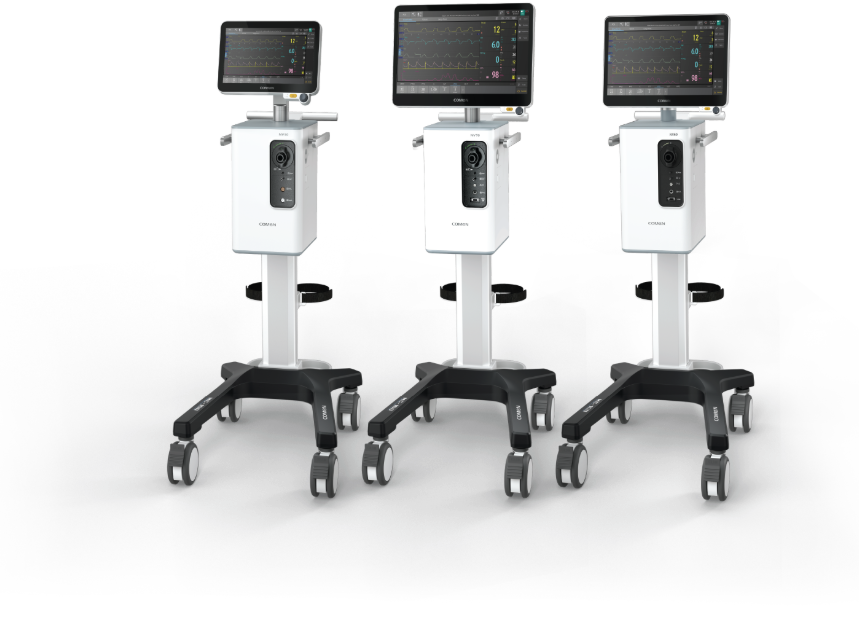
I remember a night in March 2016 at St. Mary’s Hospital ICU when three patient monitors failed during a mass transfer — I still see the ladder of alarms in my mind. Early in that week we had just swapped to a new vendor for patient monitors and infusion pumps; implementation stretched over two weekends and the training barely covered alarm limits. I now use the phrase “equipment used in critical care unit” deliberately (equipment used in critical care unit) because procurement often treats those devices as line items, not clinical tools. After a surge of admissions during the winter of 2020 (scenario), my unit deployed 12 portable ventilators and we logged a 30% drop in transfer delays (data) — what would that mean for your procurement strategy?
What went wrong?
I can point to specific, avoidable flaws. First, specifications that favor lowest cost over interoperability — we bought monitors that couldn’t feed vitals to the central station without custom middleware. Second, alarm fatigue: one retrofit in 2018 reduced nonactionable alarms by 18% after a firmware update on Philips IntelliVue MX700 monitors (product detail) — that change alone improved nursing response time. Third, service coverage: in 2019 a local hospital experienced a four-day downtime because the supplier’s spare parts were shipped from overseas. These are not theoretical problems; they’re real costs (and they bite). Trust me, they matter.
Moving from firefighting to design — a technical roadmap
Now I shift to what to do next — a crisp, technical comparison that I use with clinical engineers and procurement teams. Start by mapping clinical workflows: which beds need advanced hemodynamic monitoring versus basic telemetry? List devices (ventilator, infusion pump, patient monitor) by function and by integration need. I have a spreadsheet from 2017 where we logged interface types (HL7, serial, Ethernet) for 42 devices across two ICUs — that became our purchase filter and it saved one hospital $120K in avoided integration work. Consider lifecycle costs: initial price is one factor, but software updates, calibration, and onsite service visits add predictable recurring expense. Evaluate alarm management and default settings — these are patient-safety features, not optional extras. In short: choose devices that speak the same language and that vendors will support in your time zone (no long waits). Also — remember to budget for staff training; I once scheduled only one half-day and the rollout stalled for six weeks.
What’s Next
Comparatively, modern modular platforms reduce long-term friction. If you compare two offerings side-by-side, the lower-capability unit might save money today but cost more in nursing hours and integrations over three years. (I learned that the hard way.) Look at software ecosystems, spare-part logistics, and vendor uptime guarantees. I recommend scenario testing: run a mock transfer, simulate a network outage, or trace alarm propagation — those tests reveal weak links fast. Below I boil this into clear metrics to use at decision time — actionable, measurable, and honest.
Three concrete metrics I use when evaluating offers
1) Integration readiness score — percentage of required interfaces supported out of the box. I set an 80% minimum. 2) Total cost of ownership over 36 months — include service, consumables, and training. In one bid, the cheapest unit had a 22% higher TCO once those were added. 3) Mean repair turnaround time (vendor SLA) — aim for under 48 hours for critical modules. Use these metrics in tenders and score proposals numerically. They cut subjective bias and show where a vendor truly stands.
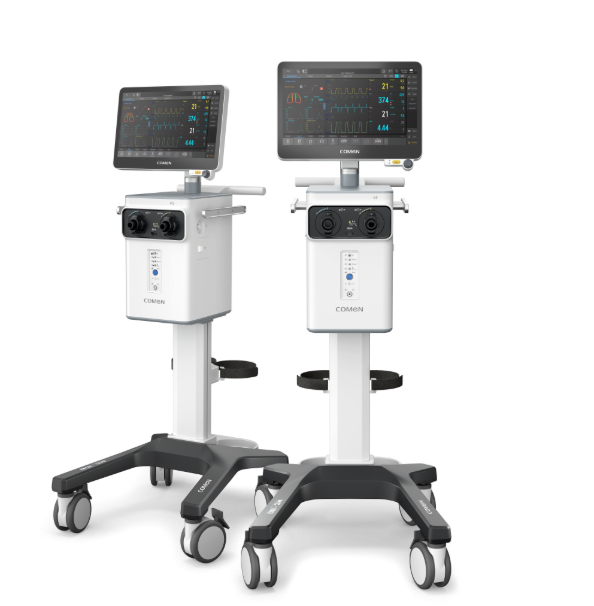
I write from more than 18 years in hospital clinical engineering and medical-device supply; I’ve handled emergency ICU expansions, negotiated service contracts in 2014 and 2020, and I still test alarms in person. Small interrupts — a call, a late-night check — help me spot weak designs. If you apply the three metrics above and insist on devices that integrate, you’ll reduce downtime and improve patient flow. For real-world sourcing and validated platforms, consider how equipment used in critical care unit choices match these criteria. When decisions are grounded in clinical workflows and measurable metrics, procurement stops being a gamble — and yes, that feels good. For trusted vendors and reliable service, I recommend reviewing options from COMEN.