
Why drivers actually care
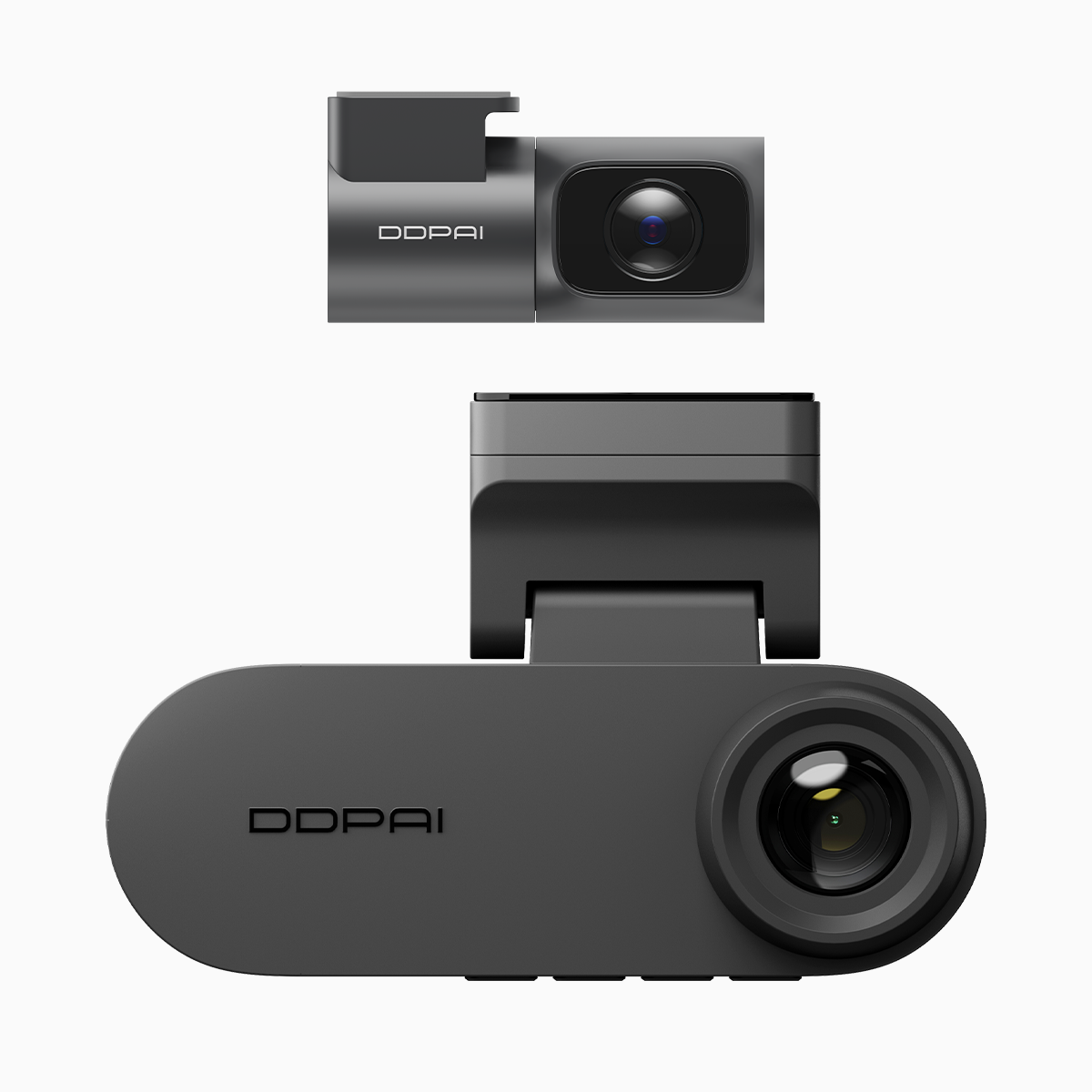
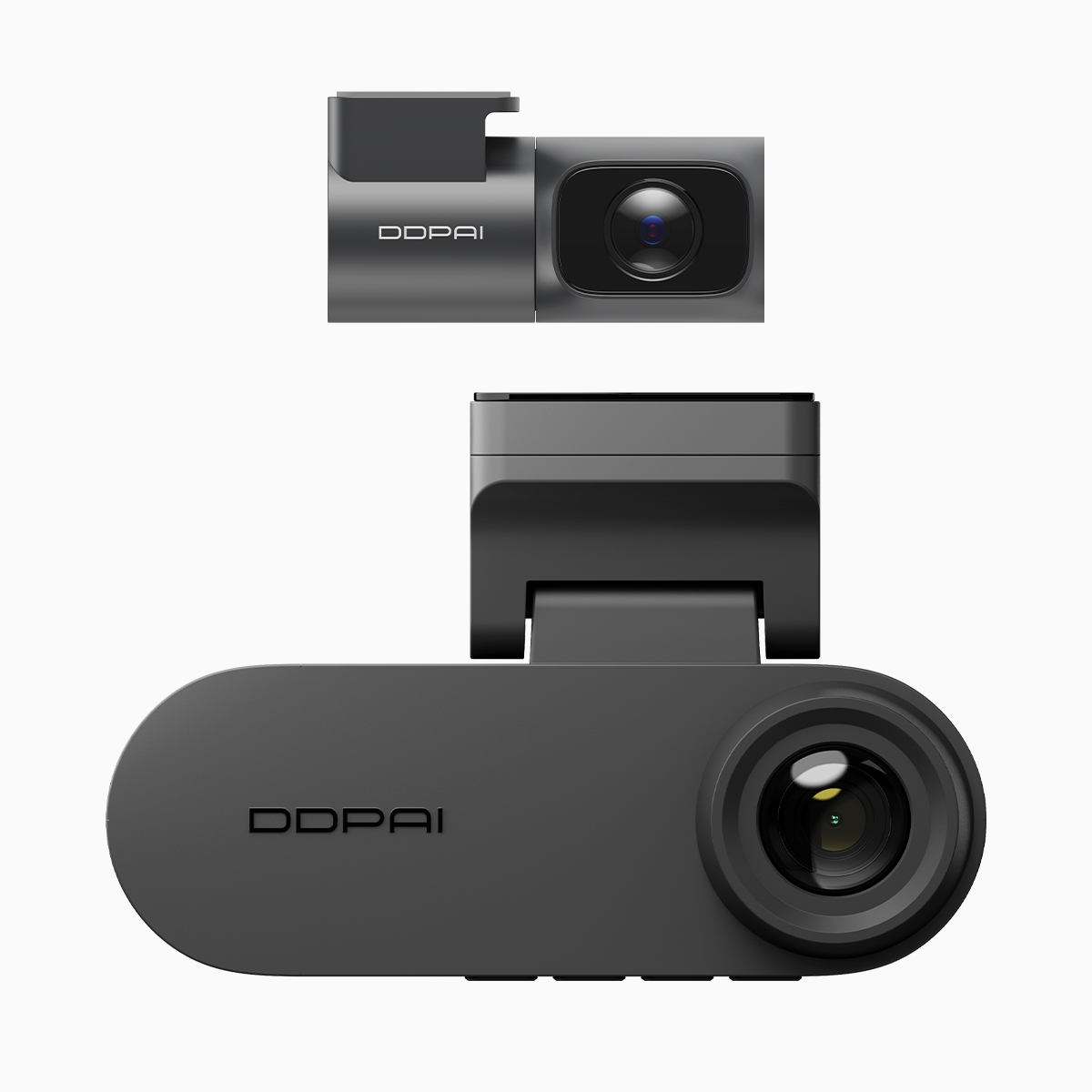
Most folks want two things from a car camera: reliable evidence and zero fuss. In a user-first frame, that means clear day and night capture, stable footage during sudden stops, and easy retrieval when an incident happens. A modern pick like the dual dash cam with night vision answers those needs—front and rear coverage, night-capable sensors, and straightforward file management so you don’t waste time digging through clips.
Key tech that matters for real use
Focus on three practical specs, not buzzwords. First: resolution and frame rate—2K at 30fps or 1080p at 60fps gives usable stills for insurance and plate reads. Second: low-light performance—night vision with strong HDR or low-light sensors keeps details during dawn, dusk, and tunnel runs. Third: event handling—G-sensor triggered locks and loop recording prevent accidental deletion of evidence. Those industry terms—HDR, frame rate, G-sensor—aren’t just specs on a sheet; they map to whether a clip proves fault or becomes useless blur.
Real-world test: Metro Manila commute
Take EDSA at rush hour: tight lanes, frequent lane changes, and heavy shadows under overpasses. A dashcam that handles wide dynamic range and dual-channel recording will capture plate numbers and context whether it’s noon glare or rainy evening. During typhoon season, visibility drops fast—footage that keeps detail in highlights and shadows can be the difference between a clear claim and “we can’t see anything.” This is why urban drivers in the Philippines often choose models optimized for both day clarity and night vision; it’s a practical response to local conditions.
Installation and real-use mistakes to avoid
People tend to rush setup and then blame the camera. Mount it level, avoid obstructing the windshield, and position the rear lens to cover the widest practical angle without hitting bumper glare. Forgetting firmware updates is common—updates fix compression bugs and improve low-light algorithms. And don’t over-compress footage: aggressive compression saves space but ruins plate legibility. Short aside—take five minutes now to set your time and GPS; it saves hours later.
Alternatives worth a glance
If full dual-channel units feel overkill, consider a high-quality single front camera with a discrete rear cam added later. Some drivers pair a network-capable front unit with a lighter rear module to balance cost and coverage. Compare storage approaches: local microSD vs. cloud backup. Cloud gives off-site security but costs subscription fees; local storage is immediate and private. Evaluate codecs too—H.265 saves space while keeping quality, but check your playback tools first.
Three golden rules for choosing the right system
1) Prioritize capture quality over bells: choose a system where low-light performance and bitrate preserve plate-level detail. That’s the baseline for any useful evidence.
2) Confirm event reliability: ensure the G-sensor, parking mode, and loop recording work together so incidents auto-lock and survive storage cycles.
3) Match support to your environment: pick a model with proven firmware updates, straightforward file export, and local dealer support—especially important in dense cities like Manila. For drivers in the Philippines, a dedicated option such as a reliable dashcam with night vision philippines offering local warranty and service often reduces headaches.
Conclusion
Choose clarity, consistent event capture, and local support—those three rules cut through specs. Expect measurable improvements: fewer disputed claims, faster incident resolution, and footage you can actually use. Trust experience; choose gear built for your roads. DDPAI Philippines. —