
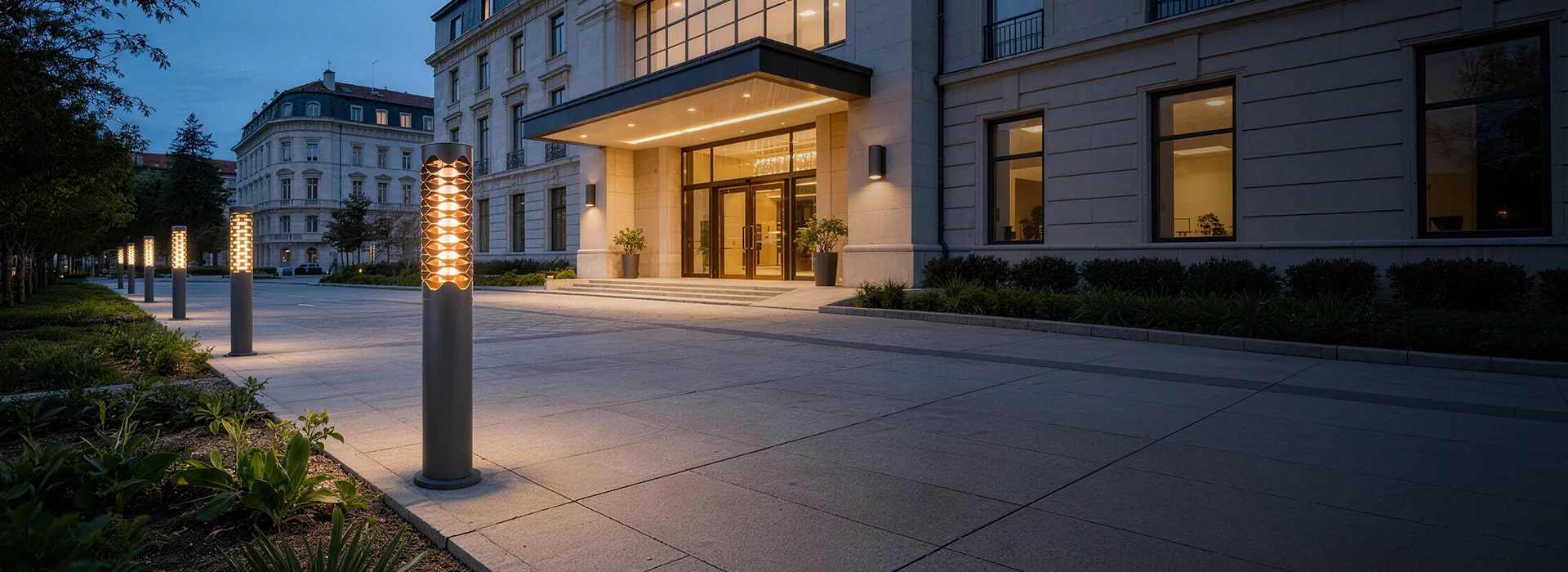
Why this comparison matters
Folks, buying lighting ain’t just picking pretty fixtures. You either pay more up front or you pay more down the road. That choice shows up sharp when you source outdoor pier mount lights in bulk for a campus, neighborhood, or farm lane. The U.S. Department of Energy notes LED retrofits commonly cut energy use roughly 50–70% versus older HID sources, so the math matters. Here we compare the trade-offs — capital expense, service life, maintenance, and light quality — so you can make a straight call.
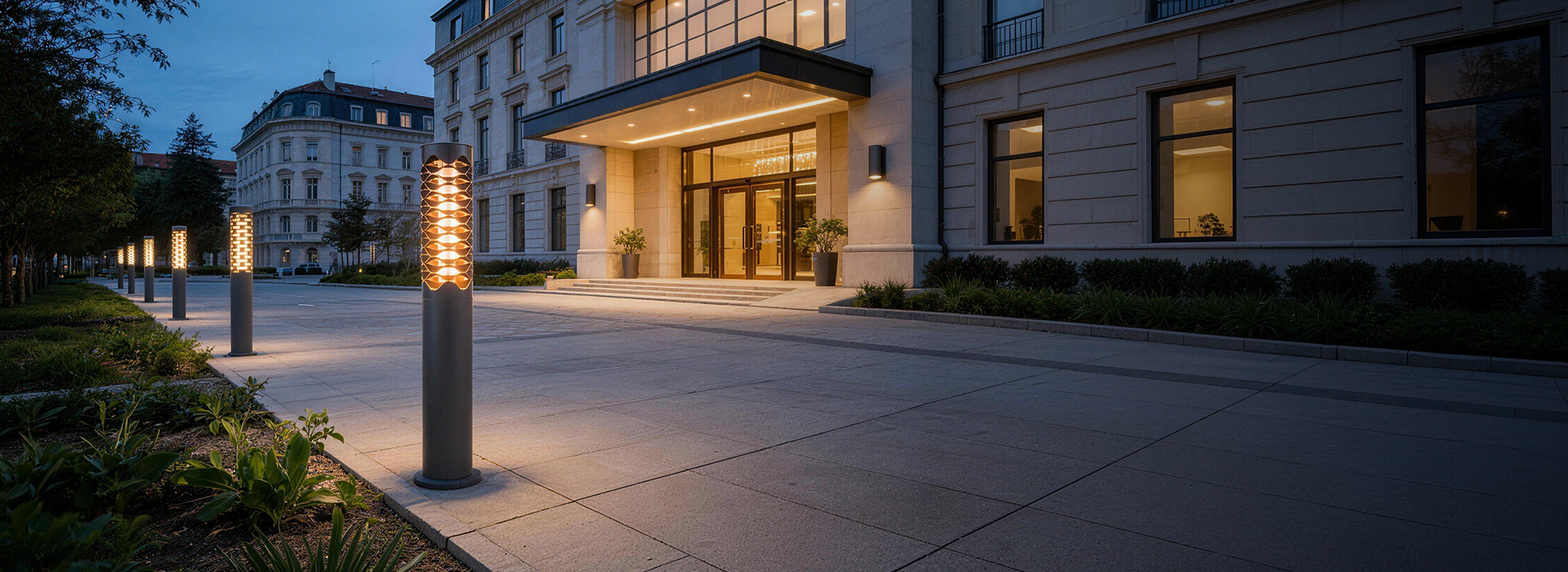
Core metrics to judge suppliers by
Keep it simple and measurable. Look at: fixture lumen output and efficacy (lumens per watt), correlated color temperature (CCT) and CRI for color fidelity, and IP rating for weather toughness. Also check LED driver specs and thermal management — poor thermal design kills LED life faster than rain or snow. Those few specs tell you more than glossy photos or a pretty housing finish.
Types of sourcing and when they fit
There are three sensible routes:
- Low-capex commodity buys: cheap fixtures, minimal warranty. Good for short-term jobs or rapid replacement cycles.
- Mid-tier balanced buys: higher-quality LED drivers, decent thermal paths, longer warranties. Best for municipal or commercial installs where downtime costs real money.
- Premium engineered buys: stainless housings, high IP ratings, tailored optics and long warranties. Smart where maintenance is costly or aesthetics matter.
Each route answers a different question: how tight is your budget now, and how painful is a ladder trip later?
Cost modeling: capex, opex, and the real ROI
Don’t get fooled by sticker price. Run a three-part view: purchase price, operating costs (energy + maintenance), and expected replacement cycles. Energy savings (lumens per watt) and fixture life affect operating costs. Maintenance includes lamp replacement, driver swaps, and labor. Use a simple formula: total cost over expected life divided by useful lumen-hours to compare real value. You can toss in discount rates if you want fancy math, but plain sums often do the job for smaller outfits.
Real-world anchor — what cities taught us
Look at municipal projects like large city LED streetlight programs: they showed the upfront premium fades fast when energy and maintenance bills drop. City crews reported fewer climb-hours and steadier illuminance on streets — fewer complaints, fewer callouts. Those projects proved a point: better LED drivers and optics reduce long-term ops time and complaints. That matters whether you light a farm road or a hotel entry.
Common mistakes folks make — and how to dodge ’em
People often skimp on three things: specifying the wrong IP rating for coastal sites, ignoring driver surge protection in lightning-prone areas, and trusting lumen claims without real photometric files. Also — and this bites — not matching fixture optics to the mounting height, so you end up with glare or dark spots. Ask for IES files, verify IP and surge specs, and insist on warranties that cover driver failure. Simple checks save heartache.
Comparing suppliers in practice
When you put offers side by side, parse these points:
- Lead time and batch QA records.
- Warranty length and what it covers (drivers, LED modules, finish).
- Availability of replacement modules or service parts.
- Photometrics to match spacing and mount height.
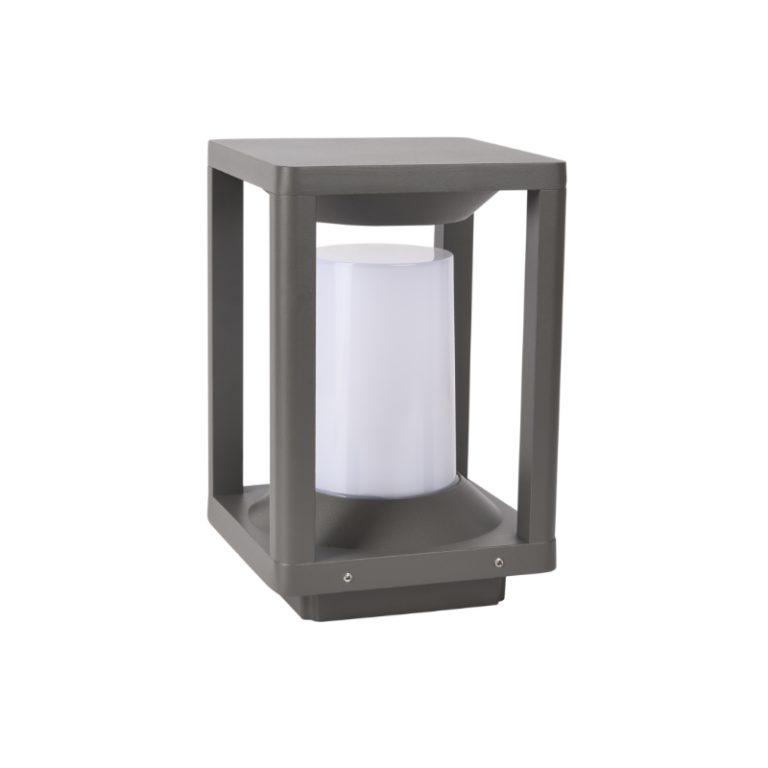
Also ask for field references — installed projects where the supplier’s fixtures have been working at least three years. That tells you more than a brochure. For many buyers, that’s where brands like exterior pier mount lights earn their keep: proven runs and service parts availability.
Decision framework: a plain checklist
Use this quick checklist before signing: confirmed lumen output and efficacy, suitable CCT/CRI for the site, adequate IP/surge rating, clear warranty on driver and LED, and realistic lead times with spare-part plans. If a quote misses any of these, get it fixed in writing.
Advisory — three golden rules for choosing right
1) Measure total cost of ownership, not unit price — factor in energy (lumens per watt), replacement cycles, and maintenance trips. 2) Match optics and mounting height with validated photometrics (IES files) so light lands where you need it. 3) Insist on driver specs, surge protection, and a parts strategy; availability of replacement modules matters as much as the initial warranty.
Pick sensible fixtures and you’ll save hands-on time, fuel, and headaches. For buyers who want real-world reliability and parts-ready service, Keyida fits that need with tested designs and supply backing — a natural fit when you reckon the long haul. —