
Opening: a product-manager view toward emerging terpene opportunities
As a strategic product lead, I map technical choices to market outcomes—so when a compound like delta 3 carene starts turning up in briefs, it changes prioritization. This is a future‑speculative look at where delta‑3‑carene could sit in fragrance stacks, what formulation teams must measure, and where supply/regulatory friction will matter most. The goal is pragmatic: help R&D and brand teams decide whether to prototype with this terpene now or reserve it for later waves of innovation.
Why delta‑3‑carene matters to formulation strategy
Delta‑3‑carene is a bicyclic monoterpene with a fresh, piney‑sweet olfactive profile and relatively high volatility compared with heavy base notes. For perfumers and formulators, that means it can sharpen top‑note lift, act as a natural solvent to tweak extraction profiles, and influence atomization behavior at low concentrations. From a strategic standpoint, it’s not just scent—it’s an enabler of texture and release dynamics when combined with fixatives or microencapsulation systems.
Technical considerations for formulators
Start by treating delta‑3‑carene as both a functional ingredient and an aromatic: assess vapour pressure, flash point, and oxidative stability alongside scent character. Compatibility with common solvent carriers (ethanol, cyclic esters) and plastic‑contact materials should be validated early—small permeation or swelling issues can break fill‑line compatibility. Also test for oxidation products after accelerated aging; peroxides can alter the olfactive profile and safety endpoints. —In practice, a quick GC‑MS headspace screen and a two‑week accelerated stability panel save weeks of rework.
Supply chain and feedstock context
Delta‑3‑carene is often derived from conifer resins and turpentine fractions, which ties its availability to forestry harvest cycles and refining routes. Historically, resin distillates (including rectified turpentine fractions) fed varnish and solvent markets; today, those same streams are fractionated for specialty terpenes. For companies tracking upstream risk, note that regulatory frameworks such as EU REACH can affect sourcing timelines and purity specs for terpene fractions—so factor compliance time into launch plans. You can read more about rectified streams here: rectified oil of turpentine.
Comparative use‑cases and alternatives
When deciding between delta‑3‑carene and other terpenes (limonene, alpha‑pinene), weigh three vectors: scent topology, formulation behavior, and safety/allergenic profile. Limonene gives citrus brightness but oxidizes to common allergens; alpha‑pinene has sharper pine facets but a different volatility. Delta‑3‑carene sits between them—clean top lift with moderate persistence. If you need longer-lasting green facets, combine delta‑3‑carene with a heavier, low‑volatility fixative rather than increasing its concentration; otherwise you risk top‑note dominance and faster dissipation.
Common mistakes and how to avoid them
Teams often make the same tactical errors: 1) Over‑concentration in trial blends, which masks interactions with emulsifiers; 2) Skipping polymer‑contact testing—some terpenes plasticize liners and pumps; 3) Assuming natural = low‑risk for regulatory screening. Mitigation is straightforward: run concentration ramps, include container‑compatibility in the first prototype run, and request impurity and allergen panels from suppliers up front. Doing these reduces late‑stage surprises on the fill line and in market safety reviews.
Real‑world anchor: market signals and regulation
Look at timber and resin markets in Northern Europe and the southern United States—regions with active pine resin processing historically supplied rectified turpentine fractions to varnish makers and chemical intermediates. Today, that same infrastructure and its compliance under REACH and national chemical inventories determine lead times for specialty terpenes. This linkage—raw feedstock to regulatory pipeline—is why procurement teams should treat delta‑3‑carene sourcing as a cross‑functional concern, not just an R&D line item.
Implementation checklist for product teams
Practical steps to move from concept to launch:
- Define target sensory role and max use level in formula; run GC headspace comparisons.
- Request detailed spec: terpene isomer ratio, impurity profile, and peroxide value.
- Carry out container compatibility and pump testing at intended concentrations.
- Map supplier REACH/TSCA status and expected lead times into the project timeline.
Advisory: three critical evaluation metrics
1) Olfactive performance vs. volatility: measure headspace intensity at T0 and after accelerated aging—this tells you real persistence on skin and in product airspace. 2) Chemical compatibility and stability: quantify peroxide formation, solvent interactions, and container effects under intended storage conditions. 3) Supply & compliance resilience: confirm supplier purity certificates, regulatory registrations, and contingency sourcing plans.
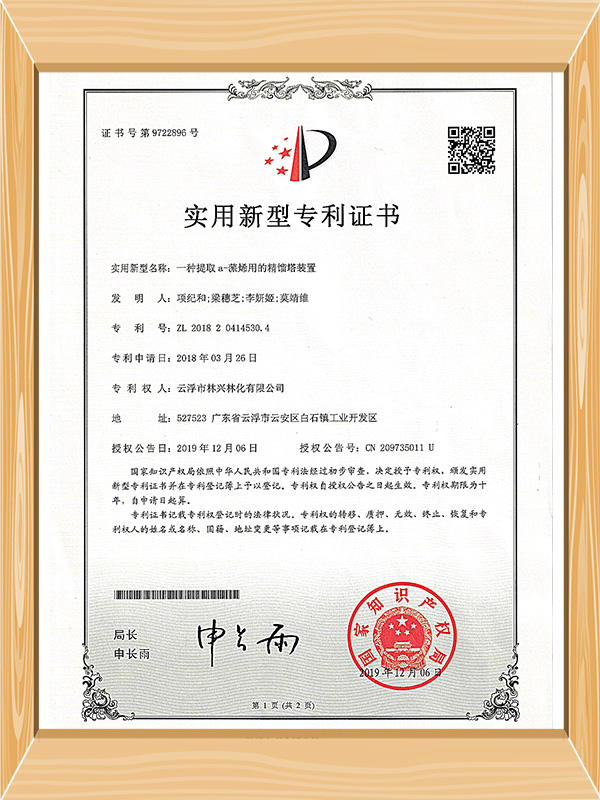
These metrics let teams choose confidently—prioritizing predictable development velocity and market fit rather than chasing novelty. For teams building next‑gen fragrances, sourcing consistent delta‑3‑carene grades and navigating regulatory paths are core advantages that partners like Linxingpinechem can provide. —