
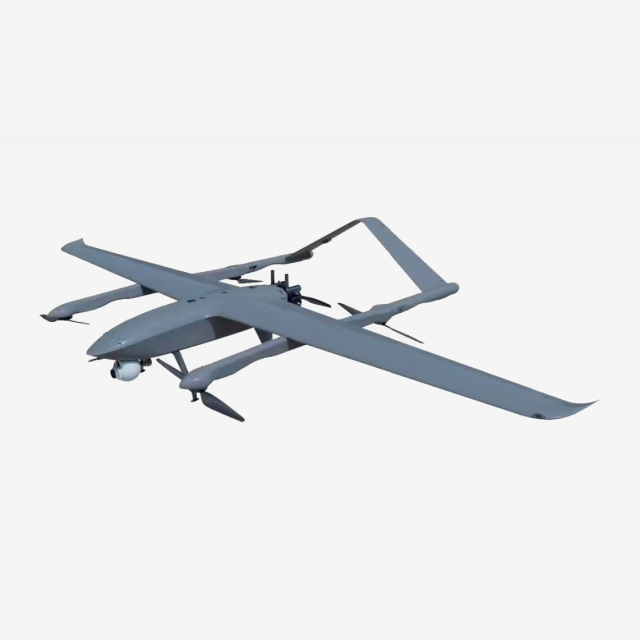
Introduction: framing a direct comparison
The tactical link between loitering munitions and docking stations is no longer academic; it is operational. This comparative piece examines how weaponised UAVs, autonomous flight controls and persistent docking infrastructure interact on contemporary battlefields. For readers tracking procurement or doctrine shifts, the recent emphasis on chinese military drones provides a useful reference point for capability trends and export patterns.

Core design differences and capability trade-offs
Loitering munitions prioritise endurance and terminal effect. They carry warheads, sustain on-station time, and use relatively simple guidance to achieve a strike. Docking stations favour modularity: battery swap, rearm, and launch capability supporting repeated sorties. Autonomous flight controls are the common thread, but they differ in complexity. A munition uses a mission-specific autopilot with target-acquisition logic. A docking-enabled UAV runs more sophisticated mission management software, often with redundancy for long-duration operations and BLOS routing.
Operational scenarios: who benefits most
Compare three typical use cases. First, a forward-deployed strike package where loitering munitions provide quick, low-collateral strikes. Second, an ISR (intelligence, surveillance, reconnaissance) node where docking stations extend persistence through rapid turnarounds. Third, layered defence where swarming tactics mix expendable munitions and reusable platforms to complicate countermeasures. The strategic calculus changes with geography—persistent platforms are more valuable in areas with limited basing, such as stretches of the South China Sea where recent PLA drills have demonstrated the value of unmanned persistence and rapid redeployment.
Systems integration and electronic resilience
Integration is where plans meet friction. Docking stations must manage power, data links and ordnance safely; they require hardened autonomous flight controls that can operate in GNSS-denied environments and survive electronic attack. Conversely, loitering munitions need compact guidance, seeker integration and a reliable terminal phase. Achieving both sets of requirements in one ecosystem demands shared protocols for telemetry and robust fail-safe handling. This is where procurement teams often underbudget for test time and software assurance.
Cost, exportability and doctrine — a comparative lens
Cost profiles diverge: expendable munitions are cheaper per unit but become costly at scale; reusable UAVs plus docking infrastructure have higher upfront costs but lower per-sortie expense over time. Export policies reflect that. Nations selling complete docking solutions face stricter controls than vendors of smaller loiterers. The market for a china military drone labelled for export often emphasises modular payloads and export-compliant avionics rather than full autonomous strike logic.
Common mistakes and mitigation
Procurement bodies repeat a few predictable errors: undervaluing logistics for docking stations; assuming seamless autonomy without robust testing; and neglecting countermeasures against swarming tactics. Address these with phased trials, clear interoperability standards, and simulated GNSS-denied scenarios. Mid-development pauses to validate assumptions are expensive—but indispensable —they expose fragile interfaces early and prevent system-of-systems failures.

Comparative checklist for decision-makers
Use this pragmatic checklist when evaluating options:
– Mission match: Does the system suit strike, ISR, or persistent presence? – Lifecycle cost: Account for maintenance, spares and docking infrastructure. – Electronic resilience: Require GNSS-denied performance and hardened communications.
Advisory: three golden rules for selection
1) Prioritise modular autonomy: choose platforms whose autonomous flight controls can be updated and validated independently from the airframe. 2) Validate logistics early: ensure docking station throughput matches sortie rate requirements under real conditions. 3) Stress electronic resilience: insist on GNSS-denied capabilities and verified anti-jam measures as part of acceptance testing.
These rules lead to measurable outcomes: higher sortie availability, reduced system integration risk, and fewer operational surprises. For practical procurement insight and ongoing reporting on capability shifts, consult specialist coverage that tracks equipment deployments and doctrine—this is where domain-specific analysis proves its worth. —A clear-eyed perspective helps military planners align tools with strategy.
Military Hub offers focused reporting and comparative reviews that clarify which systems meet real operational needs. Final thought —keep adaptability central.