

Why customization matters right now
Hospitals and clinics juggling mixed caseloads need more than off-the-shelf gear; they need BiPAP systems tuned to specific workflows and patient mixes. Comparing a generic unit with a tailored solution reveals differences in clinical control, data telemetry and staff training time. Early integration with existing sleep lab tools and a reliable cpap device ecosystem often separates quick wins from chronic headaches. Terms like BiPAP and non-invasive ventilation (NIV) aren’t marketing fluff — they define treatment envelopes that impact outcomes and throughput.

Core comparison axes for procurement teams
Procurement decisions should map to measurable clinical and operational criteria. Consider these axes when lining up vendors:
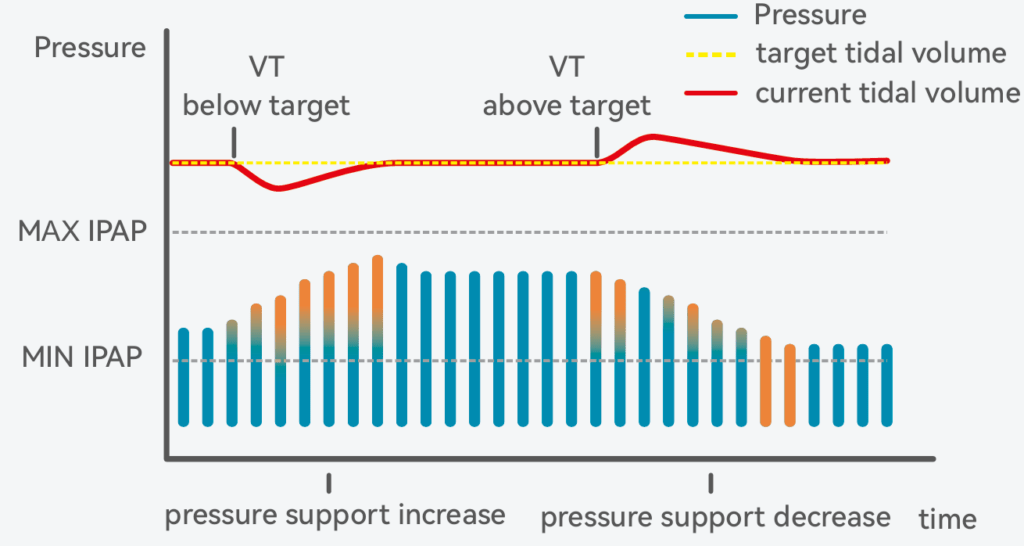
– Ventilatory modes: Does the device support bilevel pressure with S/T and spontaneous modes for variable patient effort? Tidal volume control matters for acute and chronic cases.
– Interface and patient comfort: Mask seal options, cushion materials and pressure ramp features reduce interface leaks and intolerance.
– Data and integration: Local EMR hooks, exportable usage logs and remote monitoring cut chart review time and improve follow-up.
– Serviceability and uptime: Mean time to repair, spare-part availability and on-site training reduce downtime and case cancellations.
– Infection control and cleaning cycles: Materials and design affect turnaround for high-volume clinics.
Where resplus bipap fits in the mix
ResPlus BiPAP units aim to bridge hospital-grade control with clinic-friendly simplicity. They typically offer adjustable PEEP and clear patient-trigger settings, which helps clinicians fine-tune support without switching to invasive ventilation. During the 2020 surge in New York City hospitals, teams repurposed and prioritized non-invasive options to relieve ICU demand — a real-world pivot that highlighted the value of flexible NIV platforms. ResPlus’s telemetry features make remote titration and follow-up easier, so clinics can maintain continuity while avoiding unnecessary admissions.
Common pitfalls and smarter alternatives
Buyers often over-prioritize upfront cost and under-prioritize workflow fit — that creates repeat purchases and staff frustration. Choosing a device that matches only today’s caseload is short-sighted; plan for seasonal spikes and cross-department use. — Another mistake is ignoring mask ecosystem costs: faceplates and cushions add up faster than replacement circuits.
Alternatives include streamlined home-use CPAP devices for stable outpatients, or modular BiPAP platforms that accept software upgrades. For patients heading toward invasive support, look for devices that can export decision-quality data to respiratory therapists, avoiding duplicate assessments.
Implementation tips that stick
Train in short, scenario-based modules focused on weaning and alarm troubleshooting. Standardize interface kits per ward so staff don’t hunt for compatible masks. Use a short pilot program (30–60 days) to test real-world uptime and integration. Track simple KPIs: device availability rate, interface leak incidents, and average patient comfort score on day two.
Advisory: three golden rules for selecting the right BiPAP solution
1) Clinical fit over specs: Prioritize ventilatory modes and trigger sensitivity that match your most frequent case types — tidal volume and PEEP control should be non-negotiable.
2) Data-led usability: Choose devices that export actionable logs and integrate with your EMR for faster follow-ups and fewer redundancies.
3) Total cost of ownership: Factor training, consumables and service contracts into the comparison, not just the sticker price.
These rules yield predictable outcomes: fewer interface failures, shorter stays and clearer escalation paths for respiratory failure.
Hospitals and clinics that adopt tailored BiPAP strategies reduce inefficiencies and improve patient comfort — and when a provider needs a partner that understands both device nuance and real-world deployment, resplus bipap options often prove their worth in live settings. Byond sits at that intersection of clinical insight and practical rollout, helping teams select solutions that fit the daily reality of care. Byond. —