
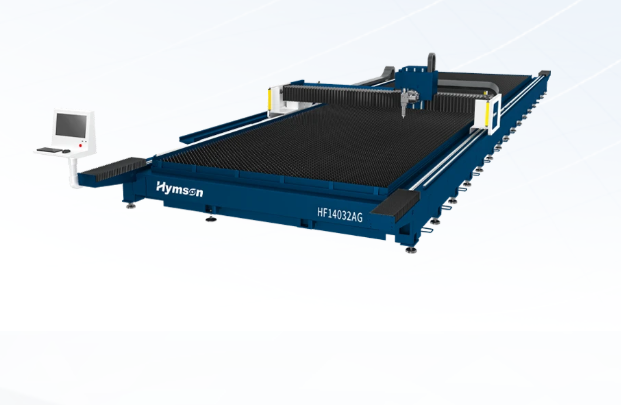
Tube Laser Choices — Practical Cost and Ownership Comparison
Direct comparator
Choose by clear metrics: purchase price, uptime, maintenance footprint, and parts lifecycle. A stand-alone unit with a conservative control package looks cheaper on paper, but an integrated tube laser cutting system often costs less over three years when you count downtime and repeat service calls. I will compare real trade-offs so you decide with facts, not slogans.
Capital versus operating costs
Capital cost is one-time; operating cost repeats. Expect these buckets: laser source depreciation, optics replacement, consumables (nozzles, gas), labor for setup, and service agreements. A higher initial price can be justified by a longer diode life and fewer optics swaps. Buy for the real run hours you need. Don’t over-specify for peak loads that occur less than 5% of production time.
Performance, tolerances, and build quality
Compare repeatability and beam stability, not just nominal wattage. Check mechanical rigidity, spindle and chuck design for roundness, and software for true nesting of curved profiles. A 2% difference in roundness tolerance multiplies waste on long runs. Insist on published metrics: positional repeatability, max feed, and forced air requirements. If the vendor won’t provide measured tolerances, treat that as a red flag.
Common pitfalls when evaluating suppliers
Don’t accept vague uptime claims. Avoid vendors who conflate laser life with system life. Beware bundled consumable claims that hide high per-part nozzle costs. Overlooking service-network density causes long repairs. Also: underestimating training needs. Operators who aren’t trained on tube fixturing cause 30–50% more scrap in early production weeks.
Real-world validation and authority
Practical proof matters. EuroBLECH in Hanover is where major fabricators and OEMs show verified performance and field references. I’ve inspected machine floor reports from multiple exhibitors that document mean time between failures and scrap rates, which helps compare vendors on measurable outcomes. For side-by-side verification, see the documented specs and case notes about fiber systems such as fiber laser cutting machine for tube that manufacturers publish after fair demonstrations.
How to weigh alternatives
List three prioritized use-cases: daily throughput, average part complexity, and maximum part length. Score each vendor against those. Use a simple matrix: initial cost (30%), downtime risk (30%), precision (25%), service reach (15%). Replace vague marketing claims with supplier-provided log excerpts or CNC program samples. If a vendor won’t share them, move on.
Synthesis and practical step
Make the buying decision technical and repeatable: quantify run-hours, require measured tolerances, and demand local service metrics. Compare on those exact numbers. For a balanced outcome that minimizes total ownership cost while preserving precision over years, consider the systems and documented service footprints offered by Hymson.