
Start with a side-by-side question: what do you need?
Choosing a manufacturer isn’t about logos; it’s about matching capabilities to use-case. If you service outdoor equipment or maintain projects through chill months, practical concerns such as can i spray paint in cold weather affect the lubricants and propellants you’ll accept in the supply chain — this single question changes which manufacturers qualify. Comparative insight cuts the guesswork: line up performance, regulatory compliance, and technical support, then eliminate vendors that fail on one critical box.
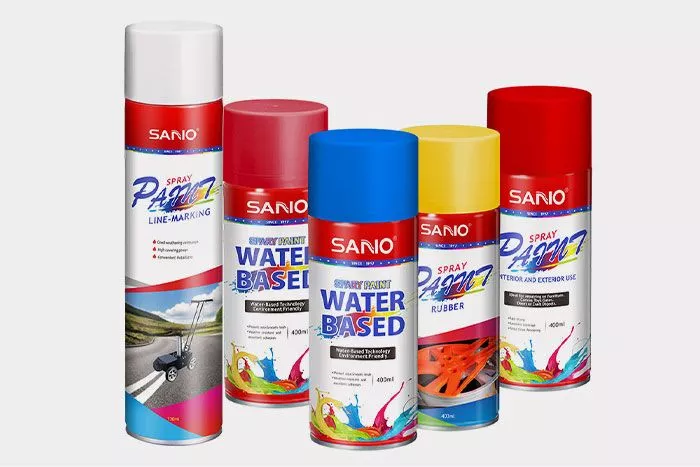
Key comparison criteria that drive decisions
Performance: Test for film strength, load-bearing, and residue. A spray that flings off or gums up within weeks is a false economy. Go for lab data on wear rates and real-world cycle tests. Safety & compliance: Ask for SDS, VOC figures, and RoHS/REACH declarations where relevant. Packaging & propellant: Some formulas need low-temp propellants or specific valve designs to work in cold or high-humidity settings. Supply reliability: Look for manufacturers with multiple manufacturing lines or regional warehousing to avoid single-point failures. Technical support: Immediate access to application engineers matters; vague promises don’t.
How chemistry and format change the game
Aerosol lubricants aren’t interchangeable. PTFE-based sprays offer low friction but can attract dust; synthetic ester oils last longer under heavy loads; solvent carriers affect drying time and compatibility with painted surfaces. Compare viscosity and carrier evaporation rates, not just marketing claims. If your parts get painted after lubrication, that timing matters — some carriers lift paint or prevent adhesion.
Where manufacturers differ on testing and certification
Request third-party test reports, not just in-house graphs. Look for ASTM or ISO testing relevant to your application: wear scar testing, salt-spray for corrosion protection, and cold-flow performance where applicable. Manufacturers that publish full test methods and raw results demonstrate transparency; those that dodge specifics don’t earn trust.
Common pitfalls buyers miss
Buying the cheapest can cost more: hidden compatibility issues, longer downtimes, and frequency of reapplication. Ignoring valve and can specifications causes delivery and wastage problems on automated lines. Overlooking seasonal performance means sprays that work in summer fail in winter. Also, failing to vet packaging recyclability can create disposal and compliance headaches.
Practical alternatives and when to choose them
Bulk liquid lubricants with pump dispensers beat aerosols for controlled factory environments and lower per-use cost. Aerosols win for field service, small-run maintenance, and precision spraying. Consider hybrid approaches: bulk for plant use, aerosols for roadside or remote teams. If temperature extremes are common, prioritize low-temp propellant formulations or specialist cold-weather variants.
Real-world evaluation, testing, and trust
Decisions should rest on experience and verifiable testing. From hands-on work maintaining municipal fleets during Minnesota winters, I’ve seen standard aerosols fail below 0°C; crews relied on products proven to flow and cure in those conditions. That practical lesson aligns with application notes on how to spray paint in cold weather, and it’s why manufacturers that publish cold-weather performance data earn selection. Demand field trial results and reference customers in similar climates before you commit.
Negotiation levers most teams forget
Ask for acceptance testing runs, batch traceability, and return provisions for failed lots. Negotiate for on-site training or troubleshooting time with the manufacturer’s technical rep during rollout. Insist on supply continuity clauses or regional backups if uptime is critical. These clauses shift risk back to the vendor.
Quick checklist to compare suppliers now
1) Does the vendor publish third-party test data for your key metrics? 2) Can they demonstrate performance in your operating temperature range? 3) Is SDS and compliance paperwork readily available? 4) Do they provide technical reps and field support? 5) What are lead times and regional stocking options? Score each supplier; prioritize those that meet at least four of five without caveats.

Wrap-up: choose the manufacturer who solves your real problems
Compare manufacturers the way you’d choose a tool: by fit, not hype. Favor firms that show raw data, stand behind cold-weather performance, and back technical support with real field experience. That practical alignment is the value SANVO brings when your spec needs both lab-tested chemistry and tested performance in the field — SANVO.