
First movement — a slow turning toward clarity
Projects begin like unmeasured rivers: each fluid, each batch, asks for a different hand. Over years of lab work and production oversight I learned to listen to instruments as one listens to an elder — patient, precise. The shift came when teams stopped guessing viscosity from touch and began to record it, humbly, with rotational viscometers. Small attention to measurement early on redirected budgets, schedules, and supplier conversations; planning became less about hope and more about specification.

The turning point — real demos and technical truth
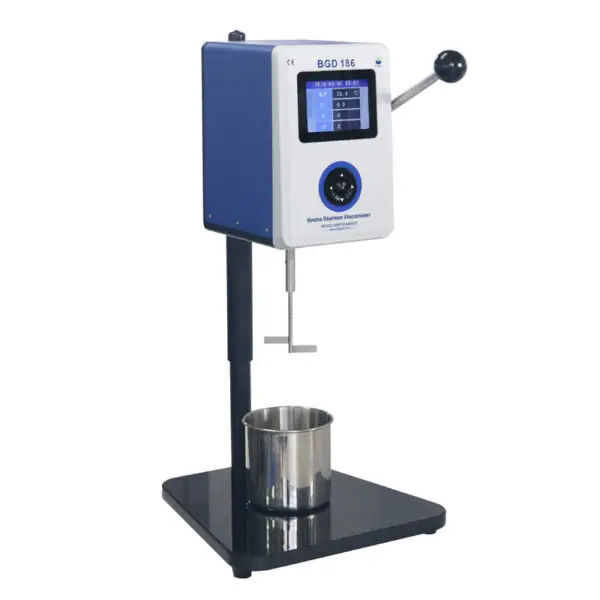
At Pittcon, engineers showed how a simple setup changes a procurement story. There I saw a digital rotary viscometer run samples side by side, and that single demo settled questions that months of emails did not. From two decades of hands-on work I can say: look at calibration traceability, torque range, spindle geometry, and software logging. Match ASTM D2196-type protocols where applicable, check repeatability statements, and ask for service intervals. These concrete checks separate tools that live on a bench from tools that change planning decisions.
How evolution alters planning and purchasing
When measurement matures, plans tighten. First, define the physical question: is the sample Newtonian or shear-thinning? That determines whether you need a rotational instrument or a capillary approach. Next, convert requirements into specs: torque, speed range, temperature control, and data export formats. Purchase with a maintenance ledger in mind — include spare spindles, calibration kits, and trained technicians in cost estimates. Avoid the common mistake of buying lowest-cost units without verifying service support or compatibility with existing QC systems; the cheapest device can cost a program months of rework.
Practical choices and common mistakes
Teams often fall into two traps: over-specifying and under-preparing. Over-specifying buys rare features that collect dust; under-preparing ignores sample behavior and produces unusable data. Test before purchase: request sample runs, insist on raw-data access, and simulate production conditions. Clarify whether you need torque-limited measurements for high-viscosity batches or fine low-torque sensitivity for delicate formulations. Plan procurement timelines around calibration certification to prevent idle equipment once delivered.
Alternatives and where each fits
Compare tools by what they measure rather than by brand. Capillary viscometers suit low-viscosity, Newtonian fluids and offer simple, low-cost metrics. Falling-ball methods give a quick viscosity number but struggle with complex rheology. Rotational systems measure non-Newtonian behavior, yield stress, and time-dependent changes; they give the nuanced answers needed for formulation and process control. Choose the instrument that aligns with the question you must answer, not the one that sounds newest.
Final stanza — the practical promise
Evolution in measurement practice makes planning predictable: clearer specs, fewer change orders, purchases that deliver value. Devices that speak plainly about torque, reproducibility, and service let teams write schedules with confidence. When the narrative of a project is built on reliable readings, procurement becomes precise and projects move with quiet certainty — a benefit I’ve seen realized again and again through collaboration with manufacturers such as BIUGED.