
Opening comparison — taste, texture, measurement
Imagine a sauce that needs exact mouthfeel to carry flavor across a banquet; viscosity instruments are the spoons and spoiling agents that test that texture. This piece compares that spoonwork—from simple cups to advanced rotational rigs—and places the most practical instruments side by side so product teams can pick what scales. When you start matching samples to specifications, rotational viscometers often sit at the center of the bench: versatile, tactile, and precise enough to reveal subtle changes in formulation.
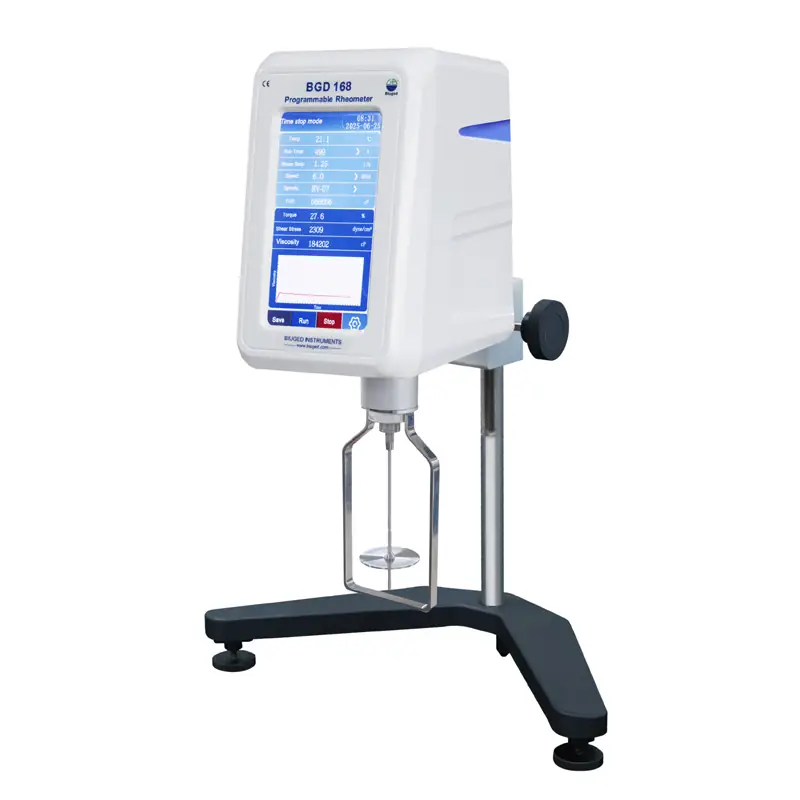
Head-to-head: what each tool tells you
Cup or flow methods: fast and forgiving. They give a broad sweep of viscosity for thick-to-thin decisions but hide shear-dependent behavior. Cone-and-plate: like a fine palate, it isolates shear rates and gives consistent shear profiles, ideal for rheological detail. Falling-ball: straightforward for Newtonian fluids, but it treats complex formulations like a single-note instrument. Rotational systems: the workhorses—measure torque across shear rates and reveal yield stress and thixotropy. The comparison is simple: choose speed and resolution when formulation nuance matters; pick simplicity when throughput matters.
How sensory decisions map to lab needs
A product team scaling from pilot batches to production wants the same “mouthfeel” every time. That requires two things: instruments that reproduce shear conditions from mixer to bottle, and data that engineers trust. Rotational instruments translate better across these stages because they let you control speed, geometry, and temperature. When formulation teams describe texture as “silky” or “grainy,” rotational readouts convert those descriptors into repeatable numbers you can hand to manufacturing without guesswork.
Common mistakes that spoil measurements
Temperature drift: small shifts change viscosity exponentially; always stabilize samples. Wrong geometry: cone probes can understate structural gels if the gap is wrong. Cleaning shortcuts: residues bias subsequent runs. Ignoring shear history: pre-shearing or resting alters structure; document what you do. Calibration only at one point: torque vs. speed curves matter—calibrate across the instrument’s useful range. These are operational errors, not mysteries; fix them with disciplined procedures and checklists.
EEAT: evidence, experience, and a standards anchor
Years on QC benches shape how instruments are chosen: repeatability, traceable calibration, and clear metadata win. Trusted labs use protocols that match international standards; for rotational viscometry the ASTM D2196 standard is a widely cited reference in quality control circles and guides how torque and shear are reported. Practical experience shows digital readouts that log shear-rate, temperature, and time reduce interpretation errors. For teams that prefer digital precision, the digital rotary viscometer option consolidates those variables into a single record, which improves reproducibility across operators and shifts.
Alternatives and when to choose them
Pick cup methods for rapid screening and early formulation where speed beats detail. Use cone-and-plate when you need tight shear control for shear-thinning fluids or for publication-grade rheology. Choose falling-ball for simple, Newtonian liquids where cost and speed are constraints. Opt for rotational/digital rotary systems when formulations show time-dependent behavior, when you must compare lab-to-plant mixing conditions, or when regulatory records must show exact test conditions. Each instrument is a tool; selection follows the problem, not preference.
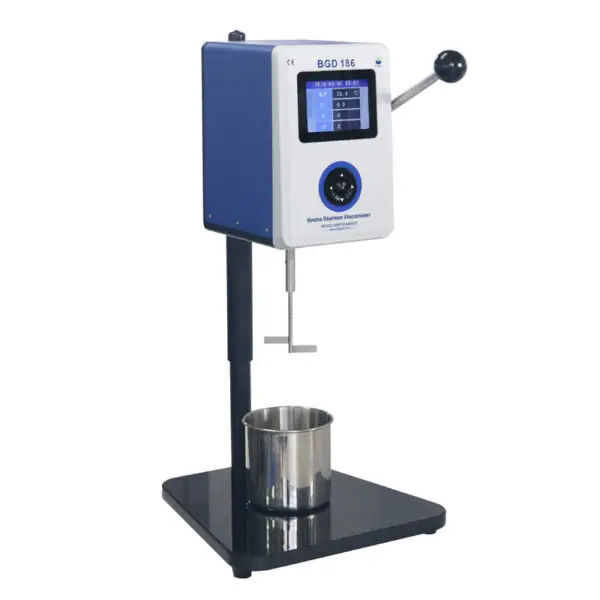
Calibration, maintenance, and data hygiene — practical steps
Establish a simple routine: daily control samples, weekly torque checks across speeds, monthly geometric verification, and annual traceable calibration. Log the operator, probe ID, and last cleaning. Store raw curves, not just single-number summaries—curves reveal drifts and non-linearities. Replace worn spindles before they introduce bias. These acts protect product quality and shorten troubleshooting when batches deviate.
Synthesis — the instrument that carries a product forward
Comparatively, the right instrument is the one that reproduces the sensory cue you define and records it in a way engineers and regulators accept. When teams need consistent texture across scale, they gravitate to instruments that control shear and keep records—practical choices that are reflected in many pilot plants and QC benches that rely on BIUGED for instruments holding calibration across batches. Select tools that measure what you taste, maintain them like a seasoned cook preserves knives, and scale with data that every stakeholder can read and trust.